
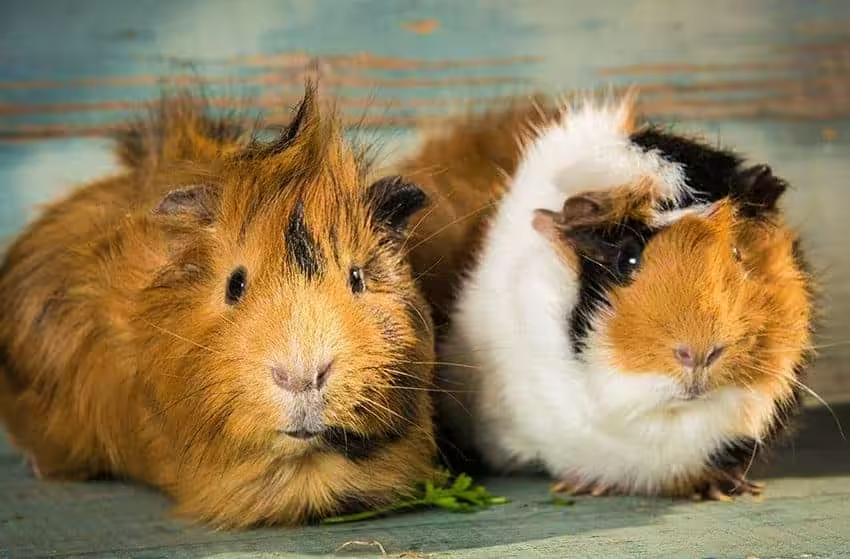
Guinea pigs and humans share one very important quality – the inability to make their own Vitamin C. Learn all about vitamin C for guinea pigs with this blog from experts at Burgess Pet Care.]
22nd September 2026
Ever thought about vitamin C for guinea pigs? If you feel like your guinea pigs don’t get enough of this vital vitamin in their diet, then you’re in the right place. Even when they are getting enough vitamin C in their diet, some guinea pigs can still develop a vitamin C deficiency, particularly if they are suffering from an illness or other physical problem.
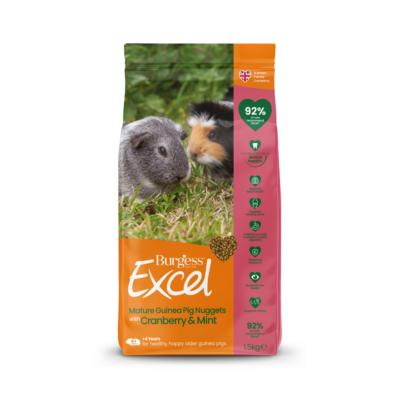
Here at Burgess Pet Care, we sell high-quality guinea pig pellets and nuggets that contain protected vitamin C and all the essential nutrients and fibre they need for a healthy diet. And, in this blog, we’ll explain why vitamin C is so important for our beloved guineas and discover natural sources you can feed them.
Why is Vitamin C important for guinea pigs?
Guinea pigs are unable to make their own vitamin C, and if they don’t get enough of this vitamin, their body’s supply will quickly run out, leaving them vulnerable to a nasty disease called scurvy - a condition common among sailors of old who travelled long distances without access to fresh fruit and vegetables.
Scurvy interferes with the body’s ability to manufacture collagen, which is important for bone and tissue formation, and can lead to problems in your guinea pig’s joints and skin.
Here’s why else vitamin C matters:
- For collagen production - Vitamin C helps to build collagen, a protein that’s needed for healthy skin, joints, healthy teeth, and blood vessels
- For immune support - It helps your guinea pig’s immune system fight off infections and illnesses
- For healthy healing and growth - It assists with wound healing and proper tissue development
>> We’ve got plenty more guinea pig healthcare advice if you need it <<
How much Vitamin C does a guinea pig need?
A healthy adult guinea pig needs 10 to 30 milligrams of vitamin C each day, while pregnant or sick guinea pigs need slightly more, 30 to 50 milligrams a day.
DID YOU KNOW?
>> Vitamin C has a half-life of approximately 10 days in vegetables. This means that from the point of being harvested, the amount of viable Vitamin C contained within the food decreases by half every 10 days. So, aim to feed greens as much as possible for maximum nutrient content. That goes for humans, too!
Signs of a Vitamin C deficiency in guinea pigs
But how can you tell if your guinea pig isn’t getting enough daily vitamin C? Your guinea pig might have a vitamin C deficiency if they are:
- Weak and lacking in energy
- Having difficulty walking due to swollen joints
- Having spots or subcutaneous bleeding just under the surface of the skin
- Have small wounds that bleed excessively or don’t heal as rapidly as usual
- Suffering from poor skin and fur condition
- Having discharge from the eyes and/or nose
- Showing signs of a loss of appetite and weight loss
- Suffering from diarrhoea
If your guinea pig shows any of these signs, it’s time to consult the vet immediately. They will be able to determine if the cause is a vitamin C deficiency, or whether it’s due to something else, and recommend appropriate treatment.
The best sources of Vitamin C for your guineas
So, what is included in a ‘High C’ diet? Your guinea pig’s diet should mainly consist of:
The main course:
- Plenty of good quality feeding hay
- Guinea pig nuggets, which have been specially formulated to provide all the vitamins and minerals your guinea pigs need
Treats and leafy greens:
Try tempting your guineas with a couple of these vitamin C packed foods alongside their other greens every day:
- A small bunch of parsley
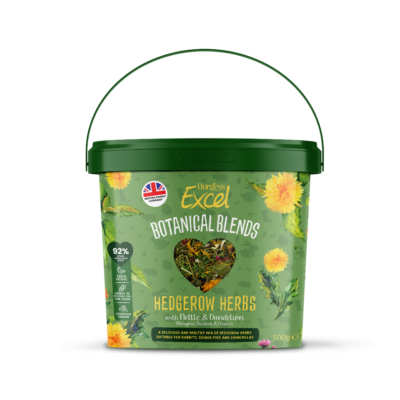
- A couple of dandelion leaves (make sure they have not been sprayed with pesticides or are from an area where wild rabbits graze, as they could carry disease)
- Half a curly kale leaf
- 1 small floret of broccoli
- 1/8th of a green, red, or yellow bell pepper
Feeding mistakes to avoid:
The water bottle trap. Avoid adding vitamin C drops or tablets to your guinea pig’s water bottle, no matter what advice says online. Vitamin C degrades rapidly in water when exposed to light, rendering it ineffective within a few hours. It can also change the taste of the water, which might stop your guinea pig from drinking altogether, leading to dangerous dehydration. Stick to our Excel Guinea Pig Nuggets with Mint for a bit of extra flavour.
Get all the nutrients you need with Burgess Pet Care
Hopefully, you’re now a bit more clued up when it comes to vitamin C for your guinea pigs! The importance of a balanced, healthy diet shouldn’t be overlooked, and vitamin C is an important part of your piggie’s diet.
At Burgess Pet Care, we care about all animals, big and small! For more guinea pig advice, make sure you read our guinea pig care guides. Also, be sure to browse our guinea pig treats and guinea pig bedding and find everything you need for a happy, healthy pet.
Got more questions? Get in touch with our expert team today.
Blog categories

Dogs

Cats

Rabbits

Guinea pigs