

Do Siberian cats have dog-like temperaments? Are Siberian cats a good choice for families? Do they get on well with other pets? Do they need much grooming? How big do they get? Are Siberian cats hypoallergenic? And do they really love water? Find out more about fluffy, faithful, fun-loving Siberian cats!

Expert approved
Dr Suzanne Moyes MVB, MRCVS
15th May 2026
Energetic, intelligent, with a happy-go-lucky approach to life, Siberian cats are renowned for being faithful, fun-loving felines with rather astounding acrobatic abilities.
“Imagine a feline with all the wintry majesty of a Norwegian Forest Cat, and all the massive presence of a Maine Coon Cat, but a softer, sweet-faced look that’s immediately appealing,” is how The Cat Fanciers’ Association (CFA) depicts the Siberian cat.
“Playful in nature, they are happy chasing a feather toy but love just as much to follow family members wherever they go,” notes The International Cat Association (TICA). “Siberians make wonderful companions and love to snuggle on cold winter nights. Although they love attention, they are not considered needy and will wait patiently to spend time with their family.”
“For all their powerful strength, these are gentle cats that enjoy playing and clowning around with their families,” adds the General Council of the Cat Fancy (GCCF).
And once they’ve made friends with you, a Siberian cat will become your devoted companion.
“Siberian cats love to be in the company of others and are loyal to their inner circle,” notes insurer Petplan. “They are an intelligent yet playful breed who will reward their human family with affection and fun. With patience and positivity, Siberian cats are easy to train and are a popular addition to any home.”
WHAT DO SIBERIAN CATS LOOK LIKE?
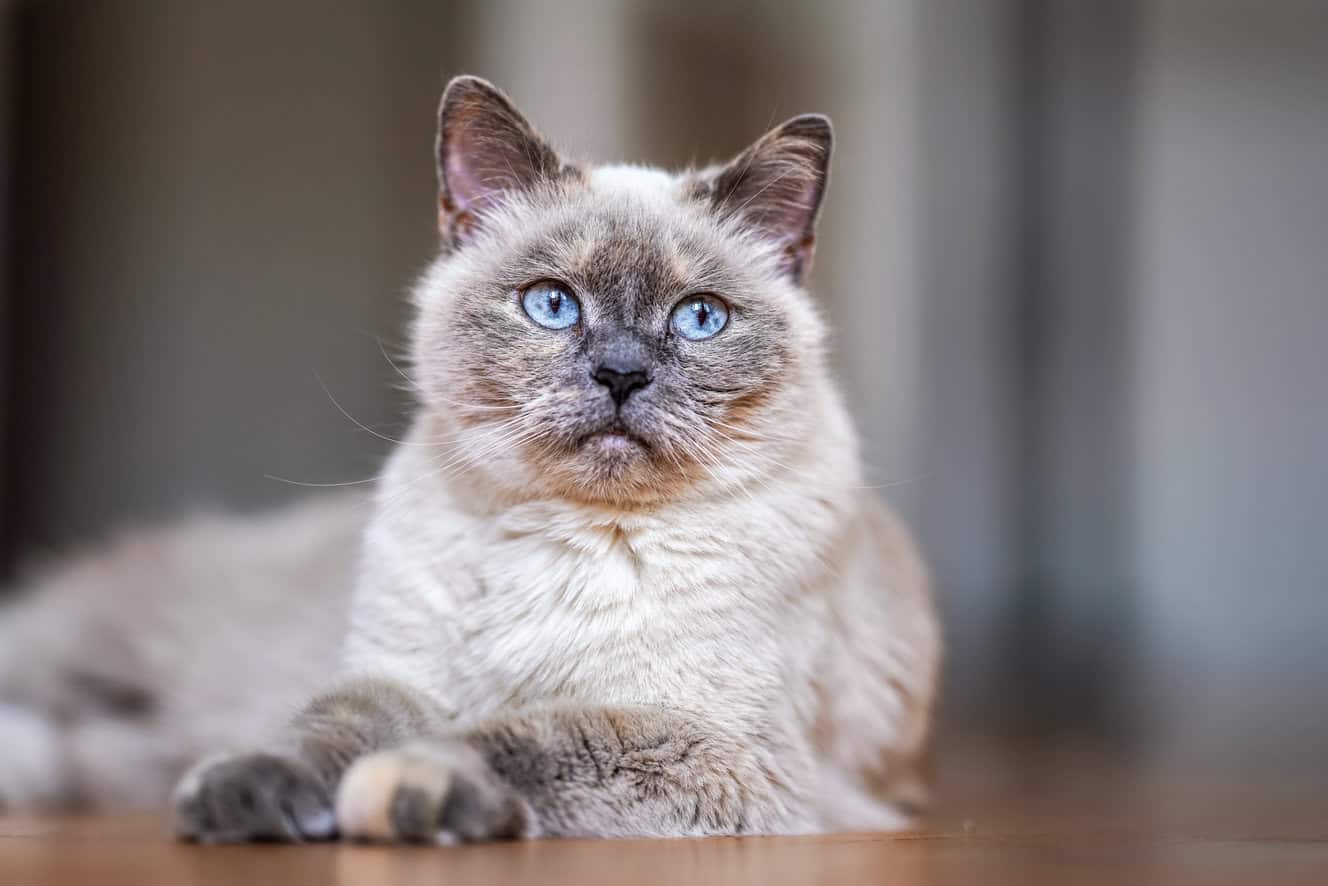
The Siberian is a medium to large cat with a broad chest and a wedge-shaped head, big, oval eyes in shades of copper or green, a distinctive ruff and sizeable paws. They sport semi-longhaired coats, with a waterproof topcoat and a dense, soft undercoat which grows thicker in the winter – a throwback to living through the cold Russian winters. “The overall impression should be of a cat with substance and rounded contours,” says the GCCF.
Their dense, plush coat comes in all manner of gorgeous colourways. “They come in a huge variety of colours and patterns, including brown, black, blue, red, cream and white in solid, tabby, colourpoint and tortie,” says Your Cat.
WHERE DO SIBERIAN CATS COME FROM?
Also known as the Siberian Forest Cat or Moscow Longhair, this faithful breed unsurprisingly originates from chilly Siberia and is the national cat of Russia, but it only began to appear outside the country in the 1990s.
“With the fall of the Berlin Wall and the ending of the Cold War, the Soviet Union became a series of independent republics, and the Siberian Cat started to be exported, first to the United States in 1990,” explains Your Cat. “However, they didn’t arrive officially in the UK until 2002, where they have quickly become popular and are now the tenth most popular breed by registrations with GCCF.”
ARE SIBERIAN CATS HYPOALLERGENIC?
Cat lovers with allergies are always hoping to discover a truly hypoallergenic cat breed, and the debate surrounding Siberians is ongoing.
“A long-standing claim is that Siberians' special coats are said to contain less of the FelD1 allergen found in cat dander, which makes them popular with cat allergy sufferers,” says Your Cat. “However, the Siberian Cat Club is keen to emphasise that this should not be taken as 100% true and breeders always recommend that you spend plenty of time with a Siberian to determine if this will work for you.”
Read on to find out more about Siberian cats. Are they good with children and other pets? Are they playful and affectionate? What do Siberian cats like to do? From grooming and playtime to feeding, find out how to provide Siberian cats with everything they need to live a fulfilling and happy life.
But first, check out these Siberian cat facts!
8 SENSATIONAL SIBERIAN CAT FACTS
- Siberian cats are medium to large in size. Adult females weigh between 13 to 17 pounds (5.8 to 7.7 kg), and adult males 17 to 26 pounds (7.7 to 11.8kg).
- Siberian cats are considered a very healthy, robust breed and can live up to 15 years or more.
- Siberian cats are a slow-developing breed – full maturity can take four to five years.
- Siberian cats are powerfully built, with strong hind legs, which are slightly longer than their front legs, enabling them to jump exceptionally high to get to those places they just have to reach!
- Siberian cats have a coat that varies with the season. In the winter, their thick, full coat protects them from the elements (a requirement for surviving the harsh Siberian climate). In summer, they shed their heavy winter fluff for a shorter, less dense coat.
- Siberian cats have long been prized in Russia for their loyalty and affection, and the breed appears in Russian fairy tales and stories.
- Siberian cats remained a Russian secret for hundreds of years before they began to be known in the outside world.
- Siberian cats are highly intelligent and social. They form strong bonds with their human and are often described as having ‘dog-like’ loyalty.
SIBERIAN CAT PERSONALITY PROFILE
Always up for a game with a desire to be involved in every aspect of their human’s life, a Siberian will be your loyal, mischief-making shadow.
“Siberian cats are real fun-loving felines. They are energetic and always ready to play a game with you – but they never let you win!” says the GCCF. “Being intelligent and incredibly inquisitive, they like to get involved in all aspects of the household – helping dig holes in the garden, sitting on the newspaper you are trying to read, or just fooling around with the bubbles in the washing-up bowl. They are always around to lend a paw and make you laugh!”
“Extremely intelligent, the Siberian takes a keen interest in its surroundings and loves to investigate cabinets, cupboards, and suitcases,” notes the CFA. “This does not mean that it is overactive or intrusive, though; quite the contrary! Sibs are simply sociable, curious, and easy-going cats who want to be near their owners and to know what is going on around them at all times. They quickly learn the meaning of the word ‘no’ (although they may translate it as ‘Okay to do when no one is looking!’).”
“Siberians use their incredible intelligence to solve all kinds of problems, like determining how to open a door to be with the owners they adore, how to get to the cat food for an extra meal, or how to recover the favourite toy their owner thinks they have so cleverly hidden out of reach!” reveals TICA.
“Their adventurous personality means they can often be found in some unusual hiding places,” notes Petplan.
A cat with dog-like loyalty
Siberians are also known for having canine-like attributes that many owners find especially appealing.
“This breed is often described as having many ‘dog-like’ traits,” adds the GCCF. “They are extremely loyal to their owners; a real best friend who will be there to greet you when you get home, play with you when you are happy and hug you when you are down.”
Reported in Your Cat, Wayne Baxter, chairman of the Siberian Cat Club, says: “They have to be involved in everything; they'll always be either two steps in front or two steps behind you! But they'll love curling up on the sofa with you while you're watching TV.”
Understand your cat better with our cat communication guide >>
IS MY HOME SUITABLE FOR A SIBERIAN CAT?
This highly adaptable breed will happily fit into most home set-ups, provided there’s someone around most of the time to keep them entertained.
Your Cat notes that Siberians are happy being kept as either indoor or outdoor cats, but indoor-only cats will need lots of toys and stimulation to keep them happy. Wayne Baxter says: “They are a breed that loves to be kept interested and love to climb, so it's to your advantage to have a sturdy, tall scratch post for them to climb.”
“As with most cats, Siberians thrive with the stimulation of outdoor access, and bear in mind that their thick coats mean they are designed for cold outside temperatures,” advises Petplan. “If you decide to keep your cat as an indoors cat, it’s beneficial to give them secure access to the outside, which can be done by building an outdoor run or an enclosed cat-safe garden to keep them both mentally and physically healthy.”
Siberian cats, other pets and children
Siberians will also happily rub along with other pets in the household if introductions are made carefully.
“Siberians are actually good all-rounders as their sweet natures mean they are great with children and dogs, and even other cats,” notes Your Cat. “They have quiet voices, tending to chirp rather than meow.”
“Siberian owners speak of their cats as ‘90% placid and 10% mischief’,” says the CFA. “They get along well with dogs and other animals and can be wonderful companions for children.”
“Despite having huge reserves of energy, Siberians are caring, gentle souls,” adds the GCCF. “This combination of playfulness and patience makes them the ideal choice for families with young children. It has also been found that they mix well with other animals, including dogs.”
“Siberians are fearless and easy-going – not much disturbs the natural calm and equanimity of a Siberian,” says devotee Pamela A Martin. “Many parents affirm that their Siberian will always sleep with the children as a sentinel at the foot of their bed. Other Siberians are the nurses in the family, always spending time with the sick person who needs support. They seem to have a high level of intuition.”
WHAT DO SIBERIAN CATS LIKE TO DO?
While every cat is an individual with a unique set of likes and dislikes, there are certain things that are extremely important to Siberian cats.
Top of the list is hanging around with their human family, joining in with everyday activities, and playing lots of games together that stimulate their intelligent minds and help keep them fit and healthy. Unusually for cats, Siberians also love water!
“If you’re looking for a lap cat, this breed isn’t for you,” says Petplan. “Siberians make the perfect pets for owners who want an interactive cat and have the time to devote to training one. They generally take to litter tray training well as they’re such quick learners. A friendly breed, they require entertaining toys, challenging games and lots of positive interaction.”
“The acrobatic nature of the Siberian is well known among owners,” notes Pamela A Martin. “They will play hard, often executing amazing somersaults in pursuit of a feather toy. Some balance on clothing racks and seem to be executing or attempting an uneven parallel bar routine, rivalled only by Olympic athletes. Others balance carefully on lamp shades as they watch their owners read. Siberians stay playful throughout their lives and rarely could be mistaken for a couch potato.”
“Be warned – Siberian cats love to climb! You may want to clear your shelves of any precious ornaments that could fall victim to your cat’s explorations,” advises Petplan.
“One of the breed's more unusual traits is their love of water due to their waterproof topcoats,” adds Your Cat. “Whether it's a running tap, a sink of water or a shower, your Siberian may well find a way to enjoy it – so bear in mind that next time you take a bath, you might find yourself with a fluffy gatecrasher!”
“Try giving your cat a clean tray, half-filled with water and ping pong balls for them to bat about,” suggests Petplan.
GROOMING YOUR SIBERIAN CAT
When it comes to grooming, Siberians need regular attention to help them keep their dense coat in good condition.
“Siberian cats need to be groomed on a regular basis, or their thick fur will become matted,” says the GCCF. “You can avoid this problem by thoroughly but gently combing their fur with a steel comb a few times a week.”
“As they have seasonal moults in the spring and autumn, a daily comb during this time will keep their coats well-maintained,” adds Your Cat.
“Introducing grooming from a young age is important, building up gently to ensure this becomes a positive experience for your pet,” advises Petplan. “Not only is grooming a great way to bond with your cat, but it’s also a chance to check their health. Look out for fleas, lumps and bumps, as it’s always best to catch these early.”
The ultimate cat grooming guide >>
FEEDING YOUR SIBERIAN CAT
All cats – from tiger to domestic tabby – are obligate carnivores, which means they must eat meat to survive. Meat contains essential amino acids which they can’t make themselves. Cats also require high levels of protein and can benefit from food that’s appropriate for their life stage.
Industry body UK Pet Food states: “Cats vary from many species, requiring a significant amount of protein in their diet, plus certain nutrients, such as taurine, as part of a balanced diet with just the right amount of fats, carbohydrates and essential vitamins and minerals, to stay in peak condition. Nutrients must be present in the correct amounts for their stage in life and in the correct proportion to each other, in order to provide a nutritionally complete and balanced diet.”
“As they mature slowly, this energetic breed requires a high-protein diet for the first four to five years of life, to fuel their active lifestyle,” notes Petplan.
Burgess in-house vet Dr Suzanne Moyes MVB, MRCVS advises: “Along with high protein levels, cats require a careful balance of vitamins, plus the essential amino acid taurine necessary to promote a healthy heart and eyes. A complete diet will have all the necessary vitamins, minerals, essential fatty acids and amino acids in the right ratio.”
How much and how often should you feed your cat?
Adult cats are generally fed twice a day. Alternatively, as cats in the wild naturally eat lots of small meals per day, you could try splitting their daily intake into several small meals (unless advised otherwise by your vet). Providing dry cat food in a variety of ways, such as in treat balls or cat puzzles, can deliver a much more exciting and rewarding experience for your cat.
Portion control is also important, so get into the habit of measuring out accurate amounts each day. Giving your cat a little more than they need means they could become overweight. Likewise, if you don’t feed enough, your cat will not get all the nutrients they need and will become underweight.
Dr Moyes advises: “By following the on-pack instructions, it’s easy to measure out exactly the right-sized portion that’s suitable for your cat’s age and lifestyle to ensure they consume the correct amount of nutrients. For instance, house cats may need fewer calories than cats that spend much of their day roaming outdoors. Dry cat food is a good option as it’s easily portioned, may be better for dental health and encourages extra water consumption.”
Wet food v dry food
Unlike wet cat food, dry cat food stays fresh inside the pack until you’re ready to serve it to your cat. And that’s not all! Other benefits include:
- Free feeding – As dry food can be left out because it won’t spoil, this suits those cats who prefer to graze their food over the day rather than at specific mealtimes.
- Helpful for healthy teeth – Munching on crunchy kibble encourages chewing and helps to keep teeth clean.
- Makes feeding more fun – Dry food is easier to use with food dispensers and puzzle toys, providing environmental enrichment and mental stimulation.
- Portion control – By following the on-pack instructions, it’s easy to measure out exactly the right-sized portion to help your cat maintain a healthy weight.
Make sure to supply plenty of fresh water, too, in a separate place from their feeding area. Lots of cats aren’t keen on drinking water from a bowl, preferring moving water to still – so it may be worth investing in a cat fountain if you don’t want them drinking from a dripping tap!
GETTING A SIBERIAN CAT
If you’re interested in adding one of these fabulously fluffy felines to your family, find out as much as you can first and decide if you’ll be able to provide them with everything they need to be a truly happy and contented cat.
If you’re looking for a kitten, only buy from a reputable, registered breeder – the Siberian Cat Club has a list of registered breeders.
Alternatively, visit the Cat Rescue Resource or the Siberian Cat Club’s Welfare & Rehoming page, to find beautiful rescue cats looking for happy new homes. Also check out other rescue charities such as Cats Protection, Battersea, Blue Cross, RSPCA and Woodgreen, who’ll be delighted to hear from you, and can provide you with lots of helpful advice on adopting a rescued cat.
EVERY CAT DESERVES A DELICIOUS, NUTRITIOUS DINNER!
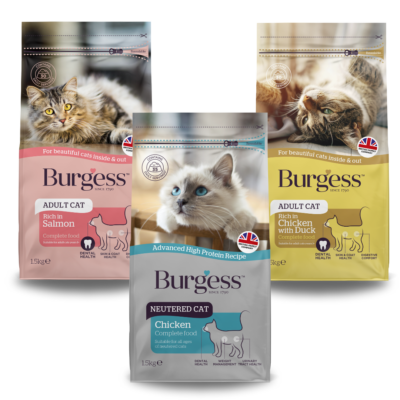
At Burgess Pet Care, all our cat food is made in Yorkshire, using premium ingredients to ensure excellent quality and superior taste to help keep your cat happy and healthy – from kitten, to adult and mature and Burgess Neutered Cat with Chicken – an advanced, high protein, complete food with added L-Carnitine to help maintain a healthy weight.
- Salmon? Duck? Chicken? Let your adult cat pick their favourite flavour with our fussy cat bundle >>
- Our cat diet and nutrition guide is here to help you create a meal plan that's tailored especially for your feline friend.
- How often should you feed your cat? Find out why little and often suits most cats – and the reason why play should be part of your feeding routine.
- Adapting your cat’s diet throughout their life What you choose to feed your cat at different life stages can make all the difference.
With a whole host of *5-STAR REVIEWS*, our customers have told us:
* “I feel like I'm giving her a complete and nourishing meal that she genuinely enjoys eating.” * “My cat is obsessed with the chicken and duck combination – she finishes every bowl.” * “Love the high meat content and lack of artificial fillers, a very healthy food.” * “Her fur is visibly shinier since we switched to this food – clearly good nutrients.” * “Our cats love this cat food, and they are healthy and have lovely, glossy coats.” * “Noticed a definite improvement in my cat's fur texture since switching to this formula. It's much softer.” * “The person I got my cat from recommended this brand, and it's been fantastic, great product.” * “I trust Burgess for providing quality nutrition for my cat. This chicken and duck blend is fantastic.” *
CARE MORE
Find out more about caring for your cat from Burgess, the Pet Care Experts. Is your cat a Burgess cat? Join our Pet Club for exclusive offers and competitions – and expert advice from our in-house vet, Dr Suzanne Moyes.
Blog categories

Dogs

Cats

Rabbits

Guinea pigs