
If you’re up to speed with understanding the correct way to feed your pet rabbits, guinea pigs or chinchillas, you’ll know that hay should be the biggest part of their daily diet. But what type of hay is best? What’s the difference between meadow hay and Timothy hay? And is it a good idea to mix and match? Our hay Q&A has the answers!

Expert approved
Dr Suzanne Moyes MVB, MRCVS
15th July 2026
For small furries such as rabbits, guinea pigs, chinchillas and degus, chowing down on some sweet-smelling hay is one of life’s greatest pleasures. What’s more, hay should be the foundation of their daily diet. But what are the nutritional benefits of different types of hay? What is Timothy hay, and is it good for guinea pigs? How does it differ from meadow hay? And which variety is most suitable for rabbits?
Find the answers in our hay Q&A! We’ll be covering:
- What’s the difference between meadow hay and Timothy hay?
- Why are high fibre and low calcium important considerations when choosing feeding hay for small furries?
- Can rabbits and guinea pigs eat a mix of meadow hay and Timothy hay?
- Are there hay types that should be avoided?
- How can you tell if hay is of good quality?
- How can you encourage small pets to eat all the hay they need?
- What’s the correct feeding balance of hay, nuggets and fresh food?
Q: What’s the difference between meadow hay and Timothy hay?
A: Because high-quality feeding hay should make up around 85-90% of the daily diet of rabbits, guinea pigs and chinchillas, it’s important to choose varieties that provide the best benefits.
“Timothy hay and meadow hay are popular and nutritionally appropriate choices of grass hay for feeding small herbivores,” states industry body UK Pet Food. “Hay provides three essential nutritional benefits: critical fibre for gut motility (preventing fatal blockages), coarse roughage to wear down continuously growing teeth, and mental enrichment through natural foraging.”
The main difference between meadow hay and Timothy hay is the grass type.
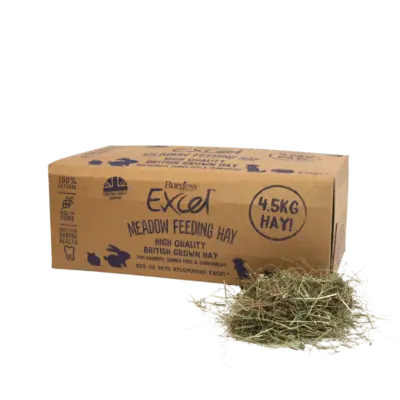
- Meadow hay consists of a mixture of native pasture grasses and usually has a softer texture and a high quantity of leaves, such as thistle and dandelion, which adds variety.
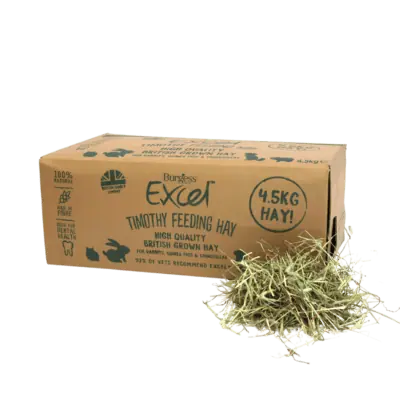
- Timothy hay consists of one single species of perennial grass and is lower in leaf content, but it has a high fibre content and slightly rougher texture.
“Because it’s made up of a range of different grasses, meadow hay has a variety of textures, flavours, and scents, encouraging rabbits, guinea pigs and chinchillas to eat more of it and engage in natural foraging activities,” explains Burgess Pet Care’s in-house vet Dr Suzanne Moyes.
“Timothy Hay is a type of grass hay that’s best known for its long, coarse stems and feathery seed heads. It has a high fibre content and is low in calcium and is often considered the gold standard for adult rabbits, guinea pigs, and chinchillas.”
Q: Why are high fibre and low calcium important considerations when choosing feeding hay for small furries?
A: “Rabbits, guinea pigs and chinchillas need to keep their digestive systems busy with a mix of two kinds of fibre moving through the gut at all times,” says Dr Moyes. “These types of fibre – which small furries get mainly from good-quality, high-fibre hay – are called digestible fibre and indigestible fibre. Indigestible fibre keeps the digestive system moving and appetite stimulated. Digestible fibre is moved up into an organ called the caecum, which is like a giant appendix. Good bacteria in the caecum ferment the fibre, making it easy to digest and for the nutrients it contains to be absorbed.”
Suitable feeding hay also needs to feature low amounts of calcium.
“When rabbits and guinea pigs eat calcium, their bodies absorb almost all of it. If they get too much calcium, this can cause bladder stones,” adds Dr Moyes. “The beauty of both Timothy hay and meadow hay is that you can feed your pets the amount they need (their own body size in hay each day is recommended) without having to worry about health issues.”
Q: Can rabbits and guinea pigs eat a mix of meadow hay and Timothy hay?
A: “Absolutely! In fact, the variety of grasses in meadow hay helps improve gastrointestinal health, and the rougher texture of Timothy hay also supports dental health, so mixing and matching is a good option for both rabbits and guinea pigs to keep teeth trim, tummies happy, and boredom at bay,” says Dr Moyes.
Timothy and meadow hay mixes to tempt your buns, piggies and chins include:
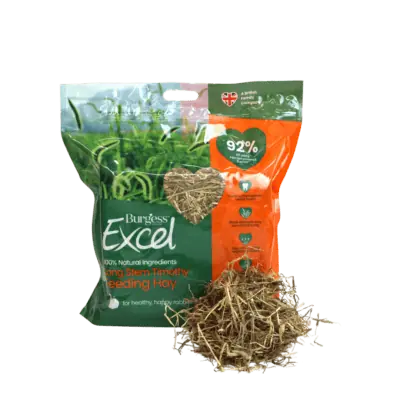
- Long-Stem Timothy Feeding Hay, which is ideal for rabbits and is great for satisfying both chewing for dental health and natural foraging, providing extra enrichment.
- Timothy Hay with Dandelion & Marigold helps build a healthy immune system and aids urinary tract health, which is especially good for guinea pigs.
- Hay with Hedgerow Herbs, which features chamomile, dandelion, nettle and mallow flower, gives your small pets a delicious taste of the countryside.
- Dried Fresh Grass, harvested straight from the field, is ideal for those times of year when your lawn is past its best and not so good for grazing on.
Check out our value-for-money mix-and-match hay bundles! >>
“Hay-based treats such as Meadow Munchies, Herby Hearts, Forage & Feast Hay Bars and Forage & Feast Mini-Bales are also a great addition to your small furries’ diet plan to ensure they’re getting plenty of the good stuff, while also providing valuable enrichment,” adds Dr Moyes.
Q: Are there hay types that should be avoided?
A: Another popular hay type is alfalfa hay, which is technically a legume (a family of plants that produce seeds inside a pod, such as peas and soybeans), rather than a grass. However, its nutrition profile means it should not be fed freely to adult pets.
“Alfalfa hay is high in fibre and is nutrient-dense, but it also has higher protein and calcium levels than grass hay,” says Dr Moyes. “It’s suitable for young, growing animals and pregnant or nursing pets, but should not be fed to adult small pets as it can cause urinary issues or bladder stones, creating extremely painful and dangerous blockages which require surgical removal.”
Q: How can you tell if hay is of good quality?
A: Feeding hay should be specially grown for small animals to eat, cut at the right time to capture all the natural goodness, and then carefully dried and stored.
“Poor quality hay will lack the right balance of nutrients that small herbivores need. It may also contain particles of dust or mould that can cause health issues, as well as affecting nutrient content,” notes UK Pet Food.
“The best quality feeding hay is naturally barn-dried, and has any dust extracted,” adds Dr Moyes. “Guinea pigs in particular are severely affected by dust, and dusty hay can cause serious respiratory problems. Always look for hay which states it’s ‘dust extracted’, to protect your guinea pigs’ respiratory health.”
Here’s a useful summary of what to look for when choosing feeding hay:
Poor quality hay can be:
- Cheaply manufactured
- Of unknown nutritional value
- Less tasty
- Yellow or brown in colour and dusty
High-quality feeding hay is:
- Fresh and fragrant, barn dried and dust extracted
- Much tastier
- Nutritionally rich and laboratory tested
- High in fibre for gut health
Q: How can you encourage small pets to eat all the hay they need?
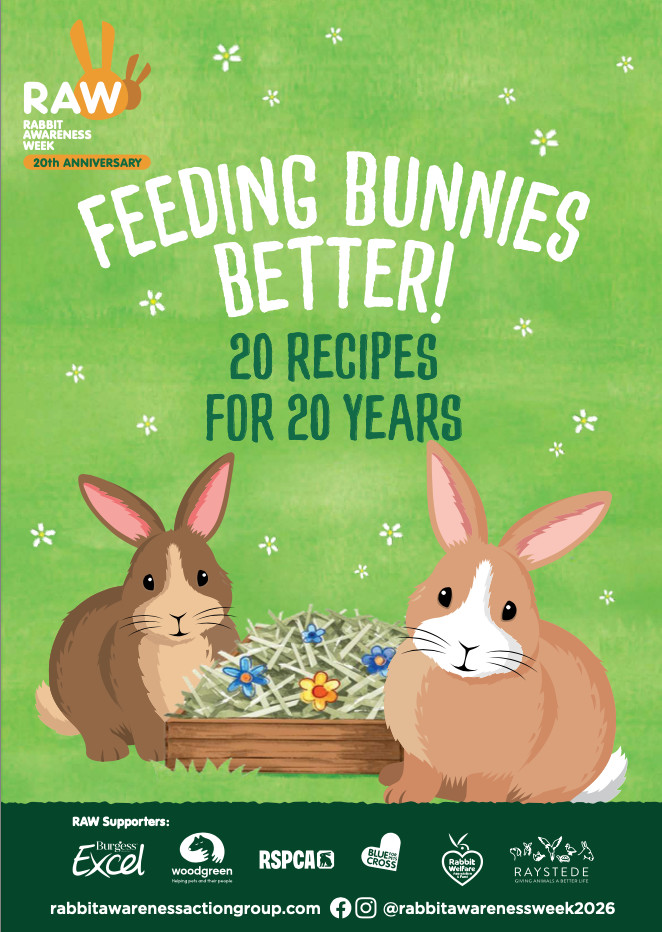
A: “High-quality feeding hay is super tasty, so small pets really enjoy eating it. However, there are lots of ways you can upgrade their dinnertime to make it even more munchable,” says Dr Moyes. “For this year’s 20th anniversary of Rabbit Awareness Week, we included a downloadable book of 20 rabbit-friendly recipe ideas, donated by a brilliant mix of charities, welfare organisations, experts and partners who work with bunnies every day, using their knowledge and experience to support better health, happier behaviour and stronger bonds between rabbits and the people who care for them.”
From Sharing Platters to a Bedtime Bunny Mix, Delilah’s Flowery Forage to a Bunny Bento Box – get your recipes here >>
You can also try out these happy hay ideas:
- FORAGING FUN Mix a handful of hay with a few nuggets, some Wildflower Forage, Luscious Leaves or Botanical Blends, a magical mix bursting with natural goodness, so your small pets can search out the extra special bits, munching on the hay as they do so.
- PLAY FOR THE HAY Most small furries simply can’t resist investigating interesting packages. Try putting a bunch of hay in a sheet of brown paper and tying the ends with a strand of hay to look like a Christmas cracker. Your small pets will enjoy nibbling it open to get to the hay inside. A willow ball or cardboard tube filled with hay is ideal for bunnies to bat about.
- POO AND CHEW Rabbits generally prefer to munch on hay while they’re resting, and they also like to ‘poo and chew’, so put a pile of hay in their favourite resting places and hang a hay rack above their litter tray.
Q: What’s the correct feeding balance of hay, nuggets and fresh food?
A: The easiest way to ensure your small pets thrive on a balanced diet is to follow the vet-recommended Excel Feeding Plan:
*** 85-90% high-quality FEEDING HAY + A small amount of high-fibre EXCEL NUGGETS, which supply essential vitamins and minerals + Excel NATURE SNACKS to encourage bonding and natural foraging behaviours + A small handful of suitable FRESH GREENS for variety + FRESH WATER = happy, healthy small pets! ***
WATCH Feeding Bunnies Better, starring Raisin, Cinnamon, Ginger and Fudge >>
WATCH our Healthy Diet, Happy Piggies step-by-step feeding guide >>
Dr Moyes adds: “Most of the medical and surgical problems that occur in pet rabbits, guinea pigs, chinchillas and degus – such as dental, gut, eye, behavioural, urinary, weight and skin problems – are due to poor nutrition and could be prevented with an improved diet, including fresh and tasty high-quality feeding hay.”
THE BENEFITS OF CHOOSING HIGH-QUALITY FEEDING HAY
- HAY PROVIDES VITAL FIBRE Top quality feeding hay is an excellent source of fibre and plays a vital part in digestion for rabbits, guinea pigs, chinchillas and degus.
- HAY IS GREAT FOR KEEPING TEETH IN GOOD SHAPE Munching on delicious hay also keeps continuously growing teeth in check, helping to prevent dental disease.
- HAY HELPS PROMOTE OVERALL HEALTH Feeding plenty of high-quality feeding hay, some grass-based nuggets and a few suitable fresh greens will help your rabbits, guinea pigs, chinchillas and degus maintain healthy skin, coat, eyes, teeth and digestion.
AT BURGESS PET CARE, WE TAKE OUR HAY VERY SERIOUSLY INDEED...
- We have a long tradition of supporting British farmers. As part of our ongoing commitment, we actively source our ingredients as close to our Yorkshire mill as possible.
- The grass used in our nutritious hay range and Excel nuggets for rabbits, guinea pigs, chinchillas and degus is sourced from the UK to meet our stringent specifications, and we know exactly which field each batch comes from and the date it was harvested. It’s also exclusive to Burgess. No other pet food manufacturer has access to our grass!
- The grass is harvested when it’s at its lushest to ensure the optimum level of nutrients and fibre, helping to ensure that it delivers all the goodness pet animals require.
- Our grass is grown on an estate that works in partnership with the local wildlife trust and ensures that the grassland is managed to reduce environmental impact and positively encourage biodiversity.
92% OF UK VETS RECOMMEND OUR BURGESS EXCEL SMALL PETS RANGE!
And, with a whole host of five-star reviews, Burgess Excel customers who have purchased our hay have told us:
* “Great quality, smells amazing!” * “Excellent quality hay for a very reasonable price. The hay is green and healthy, it smells great, and the strands are long and thick. My rabbit absolutely loves it.” * “Great product. The bunnies loved it!! Big hit.” * “Such fresh-smelling hay and beautifully green in colour. My rabbits get so excited when I'm giving them the feeding hay, and it’s so beneficial for them.” * “Our guinea pigs love this hay!” * “Really good for bunnies, they love it!!!!! This is the type of hay they need!!!” * “Chinchillas are curious by nature, and my boys love Burgess Excel Dandelion & Marigold Feeding Hay. It’s a great-quality hay that adds variety to their diet.” * “My guinea girls love to munch on this every day. I love their little squeaks of delight when it is given to them and their excited hops around it to find the best bits to eat first!” *“This herbage smells wonderful, and my rabbits absolutely love the dandelion and marigold mix. It is a great enrichment.” *“First time using this hay, and my 4 guinea pigs absolutely love it. They have hay in a tray that they are able to graze in, but they love this hay in their hay rack.” * “This herbage is clearly high quality, with lovely whole pieces of dandelion and marigold. A fantastic product for small pets.” * “I've tried other mixes, but this one is the best in terms of quality and how much my small animals enjoy it.” *
SERVE UP ONLY THE VERY BEST DINNER FOR YOUR SMALL PETS
At Burgess, all our foods for small pets are made at our factory in the heart of Yorkshire, using only ingredients that meet our stringent specifications. We have also launched many innovations. These include the world’s first food specifically formulated for indoor rabbits and the world’s first indoor guinea pig nuggets, which are made with a calm formula.
Also check out our selection of yummy, nutritious treats that your small pets will love!
Are your small pets Burgess small pets? Join the Burgess Pet Club for exclusive offers, competitions and expert advice from our in-house vet, Dr Suzanne Moyes.
CARE MORE Find lots of useful advice on caring for all your pets from Burgess, the pet experts. Training, nutrition, grooming and general care. It’s all here >>
NEED SOME EXPERT SMALL PET FEEDING TIPS?
If you are at all unsure about the best way of feeding your small furries, or have any concerns about specific nutritional requirements, ask your local veterinary practice for advice. You can also call our expert team on 44 (0)0800 413 969, who’ll be happy to help. They’re available 9am-5pm, Monday to Friday. Alternatively, use our online form to get in touch.
LET’S GET SOCIAL! Sign up to the Excel Bunny Base or become part of the Excel Squeak Squad on Facebook. Find lots of advice and friendly discussions from likeminded owners – and there are lots of cute bunny and piggy photos and videos! Also, join us on Instagram.
Blog categories

Dogs
Cats

Rabbits
Guinea pigs