
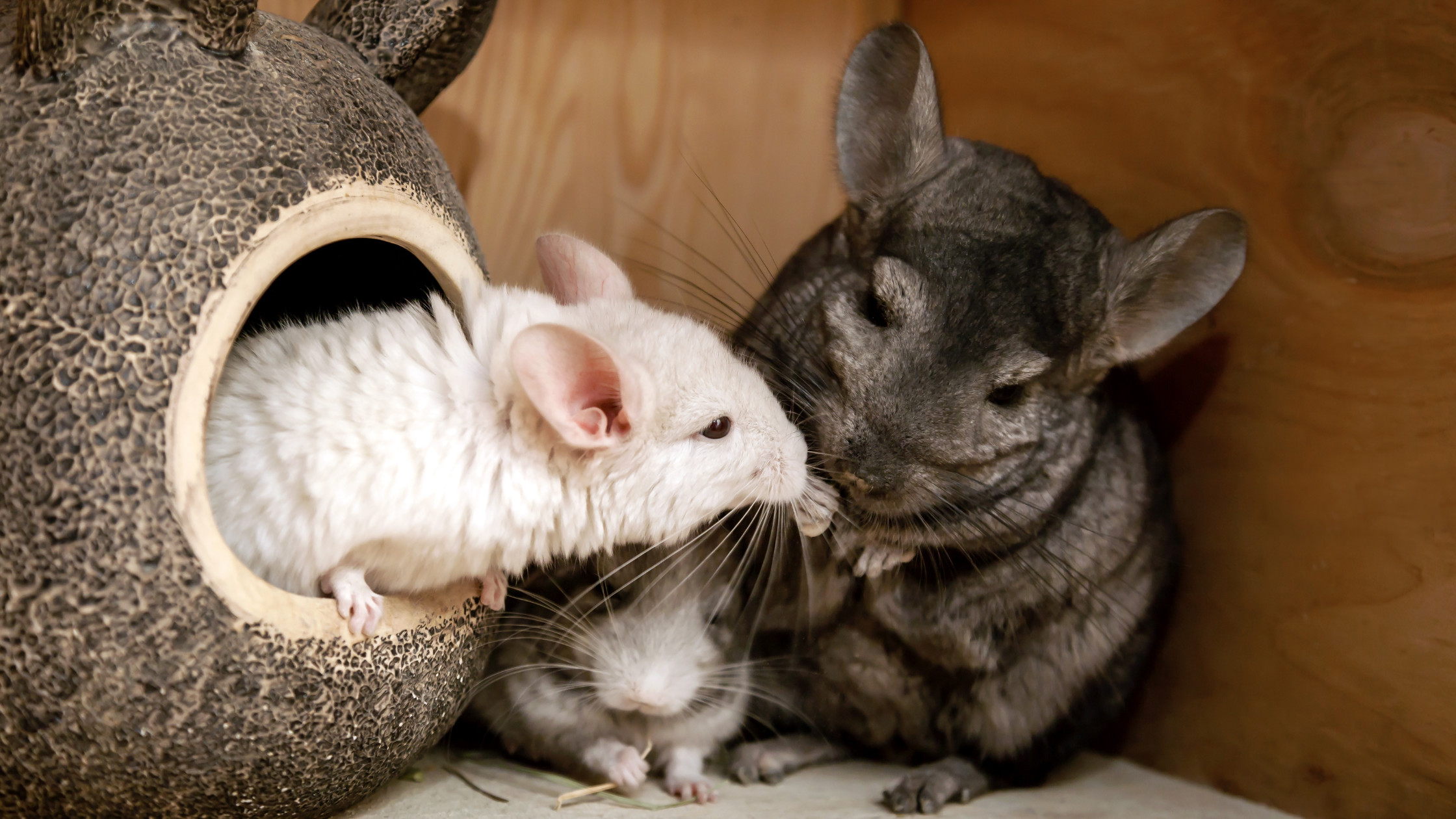
Chinchillas are exotic pets that have very specific nutritional requirements. Ensuring that you feed your chinchillas the right diet is essential to their health and well-being. To help you out, we’ve put together a chinchilla eating guide
24th June 2026
Whether you’ve got a pet chinchilla or are just fascinated by these agile animals, you might be wondering, ‘What do chinchillas eat?’ As pets, these active animals have a very sensitive digestive system, which requires a high-fibre, low-energy diet that replicates what they’d eat in their natural environment.
Here at Burgess Pet Care, we’ve got a great selection of chinchilla food, feeding hay, & treats that will highly support a chinchilla diet. All our products have been specifically designed for chinchillas, ensuring they get all the right nutrients that they need to lead a happy, healthy life. In this blog, we’ll dive deep into what you should feed your pet chinchilla, as well as a list of foods they can or can’t eat.
Let’s get into it…
A bit of background on chinchillas
Chinchillas originate from the rocky slopes of the Andes Mountains of South America. In this dry, barren landscape, they constantly forage for food, eating grasses, leaves, twigs, bark, roots, and stems. Most wild chinchillas like to consume most of their food early in the morning and late at night, so when feeding your pet, try to aim for twice a day, once in the morning and once at night.
It’s also extremely important to choose food that has been specially designed for chinchillas, like the food we sell here at Burgess Pet Care!
In fact, UK Pet Food advises that herbivores such as chinchillas only eat grass and plant-based food: “All herbivorous small mammals need plenty of good quality fresh hay and/or grass on a daily basis. Alongside their daily portion of good-quality hay, they should also be fed a portion of species-specific pet food. When fed alongside hay and/or grass, a product designed for their species will ensure they are getting all of the vitamins and minerals they need.”
What do chinchillas eat? Our feeding guide
> When it comes to feeding your pet chins, you’ll need the right mix of high-quality feeding hay and chinchilla nuggets, along with a tiny amount of fresh food and, for added enrichment to keep them busy and happy, some healthy treats.
Here’s a bit of a deeper look at the nutritional benefits, along with some expert feeding tips to help your chinchillas thrive and love life!
Start with plenty of fresh feeding hay
Pet chinchillas need lots of fresh, high-quality feeding hay - not bedding hay, which lacks nutritional value. In fact, hay should make up the majority of your chinchilla’s diet - around 85-90% to be specific. An ideal serving is around the same size as their body for each chinchilla.
Our own in-house vet, Dr Suzanne Moyes MVB, MRCVS, advises: “For chinchillas to be healthy, it’s vital that you choose hay that’s specially grown for small animals to feed on, cut at the right time to capture all the natural goodness, so your small pets enjoy eating it. High-quality feeding hay provides a whole host of benefits for small furries. It’s an excellent source of fibre, helps to maintain a healthy gut and serves to grind down their continuously growing teeth, helping prevent dental disease.”
Here at Burgess Pet Care, we’ve got a choice of deliciously chewy hay mixes available, so there’s plenty for your chinchillas to happily chomp on:
- Munchable meadow hay – A natural field-grown product from the Yorkshire countryside that comes in a handy, resealable and fully recyclable box!
- Tasty Timothy hay – Always a favourite with small furries, it’s high in Beneficial fibre, which aids digestion.
- Sweet-smelling feeding hay with Dandelion & Marigold – As well as being delicious to eat, it aids urinary tract health and helps build a healthy immune system.
- Dried fresh grass – A delicious, complementary food made from barn-dried grass harvested straight from the field.
A daily portion of chinchilla nuggets
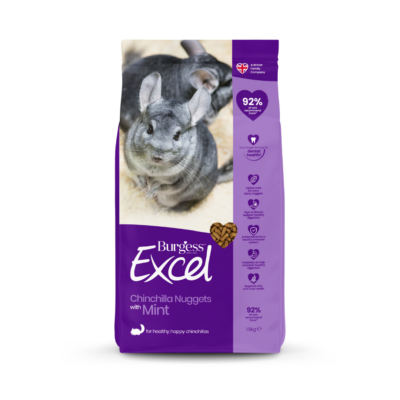
Each of your chinchillas will also require an eggcup-sized portion of tasty chinchilla nuggets every day to ensure they are getting all the vitamins and nutrients they need. High-quality chinchilla nuggets contain:
- Vitamin C for healthy skin, coat and gums
- Vitamin A to maintain healthy eyesight
- Vitamin E to maintain a healthy immune system
- Prebiotics and Beneficial Fibre to maintain good digestive health
- Mint for extra tastiness!
REMEMBER - Chinchillas also need constant access to fresh, clean drinking water from a suitable water bottle with a metal spout. When it’s hot, your pet might require a bit more help.
Small portions of chinchilla-safe foods
Chinchillas can eat very small amounts of fresh food - as mentioned in our chinchilla diet guide, but you need to be careful. Some chinchillas can be very sensitive to the effects of fresh fruit and vegetables, which can cause serious dietary upsets.
Some chinchilla-safe treats include:
- Traditional rolled oats
- A small piece of wheat biscuit (5p sized)
- A small piece of shredded wheat (5p sized)
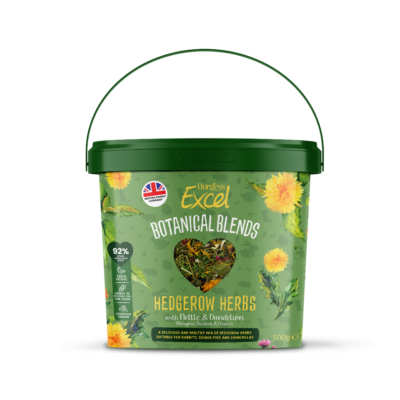
- Dried dandelions, nettles, and clovers
- Dried chamomile flowers
- Dried rosehips
Nutritious treats can keep your chinchilla happy
Don’t forget to include some yummy hay-based treats to show your chin just how much you love them. These are a fantastic way to add variety to your chinchilla’s diet and are great for hand feeding, helping you build a bond with your small furry friends. And, because they are hay-based, your chinchilla can enjoy them as part of their daily diet.
Explore our tasty treats:
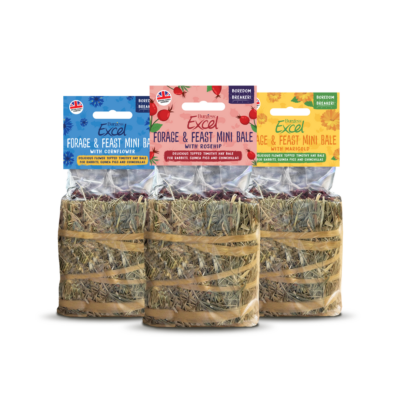
- Forage & Feast Mini Bales – Bite-sized bundles of hay topped with a choice of flavoursome flowers – Cornflower, Rosehip or Marigold.
- Forage & Feast Hay Bars – Perfect for hand feeding, these hay bars come in three appetising varieties – Marigold, Cornflower or Rose.
- Wildflower Forage – Made with a tempting mix of rose, hibiscus, marigold and cornflower, it’s ideal for sprinkling in hay to encourage natural foraging behaviour.
- Luscious Leaves – A healthy treat made with an enticing mix of dandelion leaves, nettle leaves, red clover and ribwort that’s a particular favourite with chinchillas and degus who naturally eat dried foliage along with their hay.
Don’t forget to add fun to feeding time
Wild chinchillas spend most of their waking hours searching for food. There are lots of ways you can encourage this natural foraging behaviour for your pet chins, including:
- Scatter their daily nuggets allowance around their cage instead of just feeding from a bowl. This is also a really good way to feed your chinchillas if one is very protective of the food bowl and often stops others from getting their fair share.
- Hide hay, nuggets and herbs in paper bags, cardboard tubes and boxes.
- Try out some special activity toys suitable for small animals, such as maze boards and treat balls that you can put some of their daily ration of nuggets in for them to forage for.
- Chinchillas love to chew and carry stuff, so why not treat them to a luxury chew pack made from natural, untreated wood, coir and seagrass fashioned into interesting shapes such as balls, wreaths, stars and sticks.
- Add some extra chewing fun by providing your chins with untreated softwood to gnaw on. Before you give your pets any softwood branches to chew, bake them on a low heat for an hour and give them a good wash to make sure they’re chinchilla safe. Good woods to use are apple, elm, hawthorn, hazelnut, pear, poplar and quince.
- Chins also adore shredding things such as banana leaves, cardboard and unbleached loofahs.
Pets are great for our mental health, and engaging with your chinchilla and making mealtimes fun can help to strengthen your bond!
Chinchilla foods to avoid
While chinchilla pellets should make up a part of your chinchilla's diet, feeding them just pellets or nuggets does not supply enough fibre to sustain their diet. Pellets on their own also won’t wear down their growing teeth as hay does.
Your chinchilla should not be given the following:
- Dried fruit
- Grains
- Nuts and seeds
- Branches from fruit trees
- Sweets
- Dairy products
- Caffeine and chocolate
- Meat or eggs
- Dog or cat food
- Alcohol
If you’re ever in doubt, contact your vet for more advice.
Some expert chinchilla feeding tips
- Chinchillas can eat their own droppings - They perform a digestive process called caecotrophy to extract as much goodness as possible from their food. So, if you see your chinchilla eating their droppings, don’t panic - it’s totally natural behaviour!
- Chinchillas need to keep their digestive systems busy - They need a mix of two kinds of fibre moving through the gut at all times. They are called digestible fibre and indigestible fibre, and they can get this from good-quality feeding hay.
- Don’t make any sudden changes to your chinchilla's diet - This might make them very ill! Always introduce a new diet gradually. A sign of a healthy pet is when they are eating every day and passing plenty of dry droppings.
- Don’t be afraid to ask for advice - If you have any concerns about specific nutritional requirements, you can always ask your local vet for advice. Or, call our expert team on +44 (0)0800 413 969, who’ll be more than happy to help.
Check out our chinchilla pet care page, where you can learn more about chinchilla behaviours, companionship, and their environment.
Serve up only the best dinner for your chinchilla with Burgess Pet Care
Hopefully, this blog has answered your question ‘What do chinchillas eat?’ Feeding your pet chinchilla the right diet is highly important, especially if you want your pet to lead a happy and fulfilling life.
Luckily for you, here at Burgess Pet Care, we’ve got everything you need. All of our foods for small animals use only ingredients that meet our stringent specifications. We care about all animals, and our expert knowledge in animal nutrition helps us to support your furry friends when it comes to mealtimes.
Stay up to speed with our latest pet talk or get in touch with us for more information.
If you found this interesting, you may also like:
THE ULTIMATE GUIDE TO HAPPY, CHILLED CHINCHILLAS Famed for their soft, dense fur and gentle nature, chinchillas make fascinating pets, providing you understand what's involved in caring for these timid, highly active animals.
SET UP A COSY HOME SWEET HOME FOR YOUR CHINCHILLAS What do you need to create the perfect home for your chins? A spacious chinchilla cage that features lots of climbing and jumping opportunities, things to gnaw on, a chinchilla dust bath and some cosy nest boxes.
9 INTRIGUING FACTS ABOUT CHINCHILLAS Become a chinchilla expert by finding out more about these endearing, silky-furred little animals, who like to sleep hunched up and have jaw-dropping jumping abilities...
CHINCHILLA Q&A With their beautiful soft fur and gentle ways, chinchillas are exceptionally appealing pets. But before you consider taking on these long-lived rodents, it’s vital you find out as much as possible about these agile, fragile animals so you can provide them with all the things they need to live their best chin lives.
HOW ARE YOUR CHINCHILLAS DOING TODAY? All chinchillas should receive annual veterinary check-ups, however, as they are a prey animal, they’ll hide signs of ill-health or pain, which is why you should check them daily. We’ve a chin checklist to help you out...
SMALL PET RESCUE If you’re looking for small pet friends, could a rescue centre be a good place to start? With expert advice on hand, finding your perfect small pet match couldn’t be easier...
FINDING A VET FOR YOUR SMALL PETS Did you know that just like hospital specialists, vets have different areas of expertise? That’s why, if you have small pets, it can be a good idea to seek out a vet that specialises in small animal medicine.
HOW TO HANDLE SMALL PETS When it comes to being handled, different small pets have very different opinions. Some soon learn to enjoy it – particularly if there are some tasty treats involved! Others are not quite so keen.
BONDING WITH YOUR SMALL PETS Handfeeding is a great way to build a closer bond with small animals. It takes time to build trust, but when your little friend finally feels confident enough to take a treat from your hand, it’s a special moment.
WHAT’S THE BEST BEDDING FOR SMALL PETS? Whichever small pets you have, each has different requirements when it comes to creating a cosy, safe snoozing space.
SPRING CLEANING? WHY GOOD HOUSEKEEPING IS A SMALL PET ESSENTIAL Keeping your small pets’ home clean, tidy and hygienic will discourage pests from making an unwanted appearance and help keep your small furry friends healthy and happy.
THE UK’S TRENDIEST SMALL PET NAMES From rabbits to guinea pigs, pet rats, mice, gerbils and hamsters to chinchillas, degus and ferrets, when it comes to naming your small pets, how do you choose a name that suits their beguiling looks, sweet personalities and adorable ways?
DO YOUR SMALL PETS HAVE THE RIGHT TO ROAM? While providing your small pets with secure, accommodation that’s suitable for their species is all-important, small furries also benefit from having the opportunity to explore and exercise outside their main housing in an appropriate setting.
SMALL PET MUMS ARE BIG ON LOVE Let’s celebrate small pet mums for the amazing job they do bringing up their tiny babies!
WHAT PUTS YOUR SMALL PETS IN A GOOD MOOD? Along with socialising with their same species companion and interacting with their favourite human, our survey reveals the best thing you can to do to give your small furries a happiness boost…
BIG IDEAS FOR SMALL PETS Enriching the lives of our small animals will help them lead their best pet lives. We’ve lots of ideas for things you can introduce to keep things interesting for small furries
COST EFFECTIVE WAYS TO LOOK AFTER YOUR SMALL PETS How to create DIY boredom breakers and ways to upcycle old furniture and unwanted items from around the house into interesting features for your pets’ environment.
NEW PETS ON THE BLOCK? From dogs to degus, cats to chinchillas, ferrets to fancy rats – when did these awesome and amazing animals become our furry companions?
HOW TO TELL IF YOU HAVE A HAPPY PET Wheek-wheeking, bruxing, dooking, chirping, binkying, popcorning – there are all sorts of ways our pets tell us they’re feeling good, once you know what to look for...
You may also like to read...
Blog categories

Dogs

Cats

Rabbits

Guinea pigs