

Noticed that your dog has been eating grass more recently or frequently? Don’t worry – usually, it’s nothing to worry about. The experts here at Burgess Pet Care are here to tell you all about why dogs eat grass, whether it’s good for them or not, and how to prevent it from happening

Expert approved
Dr Suzanne Moyes MVB, MRCVS
8th April 2026
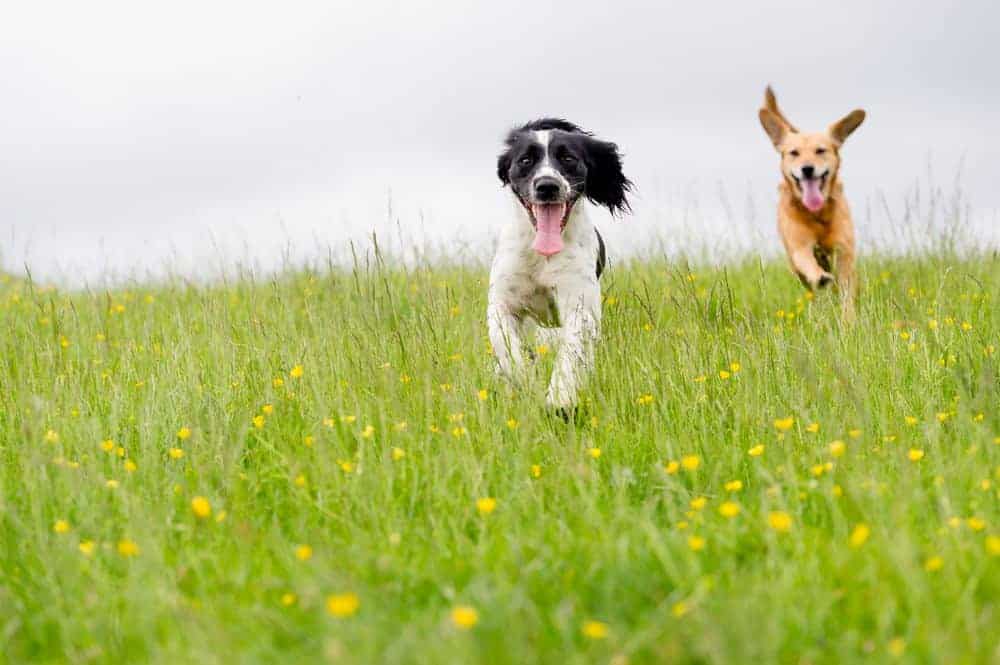
If your canine chum likes grazing on grass from time to time, it’s nothing to worry about. In fact, it’s actually pretty common. There are all sorts of theories as to why they do it, but it might be leading you to frustratingly wonder, ‘Why is my dog eating grass?’
Here at Burgess Pet Care, we’re passionate about the health and happiness of all animals. So, whether you’re trying to tempt your grass-eating dog to eat our dry dog food or on the hunt for high-quality feeding hay for your small pet, we’ve got it all.
For now, let’s dive into the reasons why your dog might enjoy munching on grass and when it’s time to intervene…
Dog eating grass? It’s actually quite normal
No need to worry - dogs eating grass is actually pretty common dog behaviour. And, while there are all sorts of theories as to why they do it - from fulfilling their natural omnivore instincts to improving digestion or simply because they enjoy the interesting taste and texture - no one’s exactly sure why.
According to the pet charity Blue Cross, many pet owners worry that their pets eat grass to make themselves sick or to get rid of something they’ve eaten. Others might think that eating grass is a sign that their dog is locking in some nutrients. However, studies have shown that none of these longstanding beliefs can be proven.
In fact, it’s far more likely that dogs eat grass because it tastes nice, especially in the spring and summer months when it’s green and fresh! There shouldn’t be any need to worry about this if the habit doesn’t become excessive.
Why is my dog eating grass?
But why do dogs eat grass? It’s a pretty frustrating thought… You’ve just plated up a bowl of delicious adult dog food from Burgess Pet Care, and it seems that your dog would rather eat grass.
Here are some harmless reasons why your dog is eating grass:
- They actually enjoy the taste and texture - Many dogs simply enjoy the taste of fresh, sweet blades, especially when it’s hot outside
- They are bored - A lack of physical or mental play can lead your pooch to graze grass simply to pass the time
- They need more fibre - Some dogs might munch on grass if their diet is lacking sufficient fibre for smooth digestion
- They’re simply acting on instinct - Some rescue dogs in particular might eat plants as part of a normal street diet, and it might take them a while to adapt to a ‘normal’ canine diet
Why is my dog eating grass and throwing up?
While many dogs eat grass and don’t end up vomiting, there are instances when grass munching can be a bad thing. Vomiting usually happens because the grass tickles their throat or irritates an already sensitive stomach. Here are some other reasons why your pooch might be throwing up afterwards:
- They have an irritated stomach - The physical texture of long grass blades can tickle the lining of their digestive tract and automatically trigger a gag reflex or vomit response
- They might already be feeling sick - If your dog is already feeling slightly queasy, then they might graze grass frantically, and this, combined with an upset stomach, might lead to vomiting
If your dog vomits once, it might just be a one off and you should monitor them closely. However, if they are continuously vomiting and also have signs of lethargy, blood in their vomit, severe diarrhoea, or a painful belly, it’s time to contact the vet.
Always contact your vet if:
- Your dog is eating grass but not their normal food
- Eating grass becomes a constant activity/excessive
- Your dog is repeatedly eating grass and being sick over a period of a few hours
- Your dog is eating grass and doesn’t seem themselves or appears unwell
When to keep your dog off grass
There are some other instances when grass munching can be a bad thing, such as:
- If the grass has been sprayed with harmful pesticides, for example, on verges by the side of the road
- If the grass is a source of lungworm
Dogs can get lungworm by eating larvae found in infected snails, slugs, or frogs. They can also accidentally eat infected tiny slugs, which may be inhabiting patches of grass. Lungworm larvae can be extremely damaging to dogs, causing heart problems, breathing problems, and even pneumonia. If left untreated, it can be fatal in severe cases.
DID YOU KNOW??
> Grass seeds can be dangerous to dogs. At the end of summer/early autumn, seeds attached to the tops of long grass stems can easily brush off onto your dog as they stroll by. They can then get into ears, eyes and paws and work their way under the skin. Signs to look out for include your dog shaking their head if a seed has gone down their ear, or excessive paw licking if one is stuck in between their toes. Surgery is often required to remove them, so always check your dog over after walking through long grass.
In those hot, summer months, try to stay clear of dry, tall grass fields. Overgrown grass might pierce your dog’s skin, or accidentally enter their ears, nose, eyes, or be embedded between toes. Freshly treated lawns might also be a cause for concern… If you have just chemically treated your lawn, wait until the treatments have fully dried before letting your dog out to roam. If your dog accidentally ingests it, it might cause severe poisoning.
How to stop your dog from eating grass
If you are truly worried about your dog's behaviour or how much grass they are consuming, it’s best to address the root cause. Make sure your dog is getting plenty of daily exercise and mental stimulation, which might make them feel less bored. You can also introduce a strong ‘leave it’ command, or try:
- Adding high-fibre options into their diet like cooked vegetables. Read our dog nutrition guide for more information
- Distract grass grazing behaviour by changing walking directions or asking your dog to perform a simple trick for a treat
- Invest in interactive puzzle feeders or chew toys to combat boredom
- Keep your lawn free of toxic weed killers and dangerous pesticides
Forget the grass - treat your dog to Burgess Pet Care!
So, why is my dog eating grass? The answer is, they’re probably just leisurely grazing! Hopefully, you know exactly when it’s time to intervene and call the vet, but in most instances, a bit of grass munching is completely fine.
At Burgess Pet Care, we’ve been manufacturing only the best food and bedding for your animals for nearly 50 years! Discover our Burgess Sensitive and Burgess Supadog dog food ranges and help your dog maintain the healthy lifestyle that it deserves.
Got any questions? Get in touch with our team or have a read of our super helpful pet care guides.
Featured products
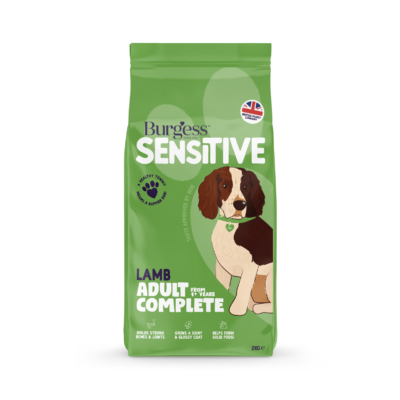
Sensitive Adult Lamb Dog Food
from Price range: £7.99 through £35.34 — or subscribe to save 15%
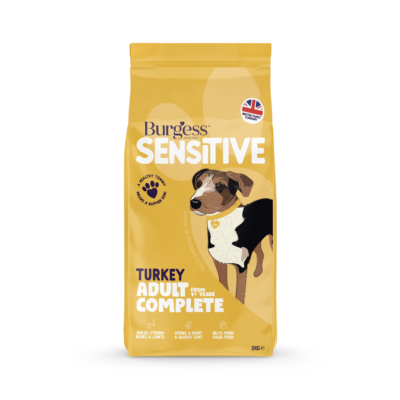
Sensitive Adult Turkey Dog Food
from Price range: £7.99 through £35.34 — or subscribe to save 15%
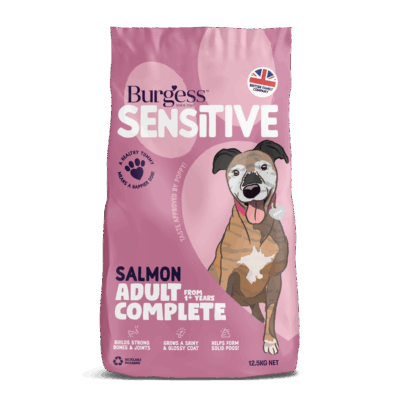
Sensitive Salmon Adult Dog Food
from Price range: £7.99 through £35.34 — or subscribe to save 15%
Blog categories

Dogs

Cats

Rabbits

Guinea pigs