
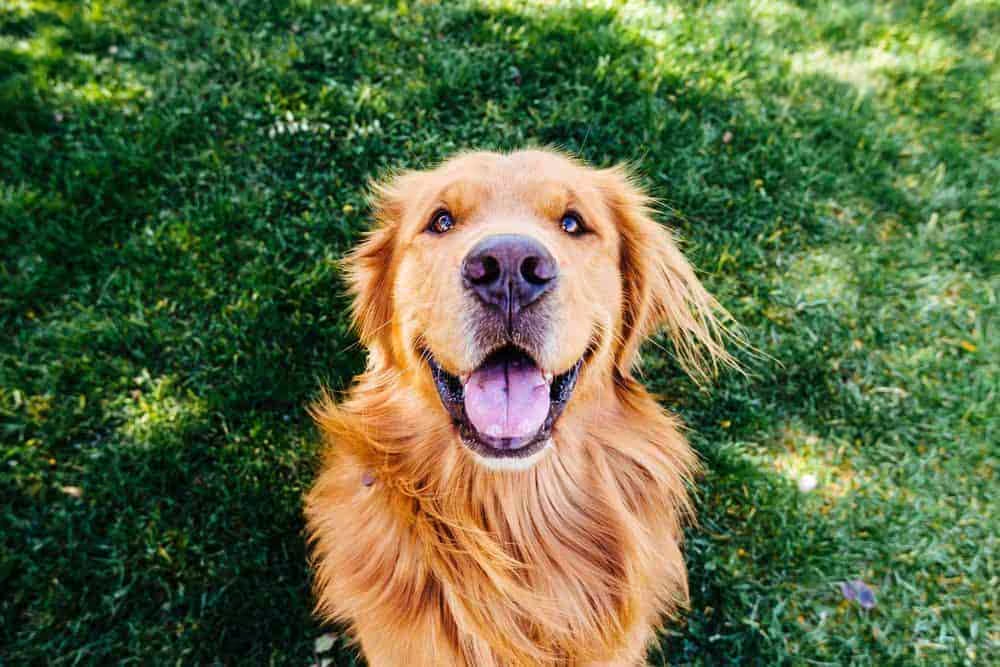
This summer has been a bit of a misery for hay fever sufferers with high pollen counts causing itchy eyes, blocked noses, and fatigue – but did you know that our beloved pets can suffer from pollen allergies and hay fever just like humans?

Expert approved
Dr Suzanne Moyes MVB, MRCVS
3rd February 2026
Midsummer is when the UK reaches peak grass pollen season, with the Met Office regularly recording very high pollen counts across the whole of the country. As humans, we know the annoying symptoms that come with hay fever, and if you’re a pet parent, it might have led you to think ‘do dogs get hay fever’, ‘do cats get hay fever’, and even ‘do guinea pigs get hay fever?’
Here at Burgess Pet Care, we’ve got your pets' best interests at heart. With a great selection of dog food, cat food, and small animal food available, browse everything you need for a happy, healthy pet. For now, though, let’s dive into the impacts that hay fever can have on your pets and how you can help to soothe those symptoms.
What exactly is hay fever?
Allergic rhinitis - to give it its technical name - is an inflammation of the inside of the nose caused by an allergen, such as pollen, dust, mould, or flakes of skin from certain animals. When the allergen is pollen, it’s commonly referred to as hay fever.
Pollen is the fine, powdery substance produced by trees, flowers, and grasses to fertilise plants of the same species. It’s dispersed by insects or wind – and it’s those wind-scattered pollens that tend to be the problem.
When people have allergies, the body mistakes something harmless – such as pollen – as a threat and produces histamines. These are chemicals made in the immune system that are released when the body detects something harmful, such as an infection. Histamine causes blood vessels to expand and the skin to swell, which helps protect the body. However, when you have an allergy – such as pollen – your immune system responds by getting those allergens out of your body or off your skin, by making you sneeze, tear up, or itch.
For those affected, hay fever hits between late March and early September – when the pollen count (the amount of pollen per cubic metre observed over 24 hours) is high. And this can be the same for your animals!
DID YOU KNOW?
>> There are actually lots of different types of pollen, and if you can work out when in the year your pet is most affected, this will give you an idea of the type of pollen causing the problem:
Tree pollen - late March to mid-May
Grass pollen - mid-May to July
Flowering weeds pollen - end of June to September
How can I tell if my dog has hay fever?
While the cause of pollen allergy is the same in pets as it is in humans, the signs that your pet is suffering from hay fever can be a little different.
For example, dogs and cats that are allergic to tree or grass pollen are more likely to suffer from skin irritations. As a result, your cat might groom or lick themselves more regularly, while dogs may nibble and bite themselves in order to get rid of itchiness. Whereas humans get itchy eyes, runny noses and sneezes, hay fever symptoms tend to show up in a dog’s skin, making them super itchy.
Here are some other signs of hay fever in dogs, cats, and small animals:
- Licking or biting paws
- Lots of scratching
- Red and sore-looking skin, especially around the eyes and between paws
- Shaking their head
- Rubbing their ears or muzzle
- Tired or lethargic
Some of these symptoms could be a sign of other health issues, so it’s important to know when to call your vet. It can sometimes be difficult to find what’s causing your pet’s allergy, however, if it’s worse in summer and better in winter, then pollen is the most likely culprit. Your vet will be able to give your pet a proper diagnosis with a physical examination or allergy testing.
A vet will also be able to recommend some medication to help reduce or manage their symptoms during the summer months.
>> Don’t try home remedies or give any medication to your pet without a prescription! This can be dangerous in the wrong doses or for certain species.
Here are some top tips to help your pet feel more comfortable during hay fever season:
- Check the pollen forecast each day so you know what to expect
- Try to work out which pollens your dog is allergic to. You'll be able to avoid walking them in areas that might cause a flare-up
- Plan walkies for before dawn, late afternoon, or early evening as the pollen count is usually lower at these times
- Keep dogs on a lead near grass. A quick roll in the grass can leave their fur covered in pollen, causing hours or even days of misery
- Wipe their paws and muzzle after every walk. Sensitive baby wipes or specialist pet wipes are ideal for this, or use a damp cloth or flannel
- Keep your dog’s ears clean to prevent irritation
- Keep up with the grooming. A good daily brushing might help to remove any pollen that is clinging to their fur. Keeping long-haired dogs' fur trimmed short could help reduce pollen problems
- Wash them weekly. A weekly bath can help to get rid of any lingering pollen – a specialist hypo-allergenic pet shampoo from your vet is ideal and will have anti- bacterial ingredients to help avoid skin infections if your pet does decide to have a good scratch
- Wash their bedding weekly. Any bedding that your pet uses will need to be washed regularly; otherwise, your pet will end up covered in pollen again after every sleep
- Keep your house vacuumed and dust-free
- Keep the grass short in your garden
- Keep on top of your pet’s flea and worming treatment to help reduce itching
- Try adding a skin supplement or oil to your pet's food. These can help strengthen the skin's barrier and stop your dog suffering as badly from pollen allergies. Dogs need different essential fats and vitamins to us humans, so make sure the supplement you use is made for pets. There are a lot of different skin supplements out there, so ask your vet for their recommendation
How to treat hay fever in dogs & other pets
We’ve given you some tips on helping your pet to manage their symptoms, but what actual treatments are available? Well, if your pet is diagnosed with an allergy to pollen, your vet may recommend some medication to help reduce or manage their symptoms during the summer months.
>> SAFETY FIRST! Remember, don’t try home remedies or give any medication to your pet without a prescription. This can be dangerous in the wrong doses, or for certain species.
Although there is no cure, you can manage your dog’s pollen allergy with topical treatment and medications from your vet. There are a range of treatments available, including:
- Topical treatments such as medicated shampoos, skin sprays and creams, wipes, ear cleaner, medicated ear drops and medicated eye drops
- Antihistamines, although these aren’t always effective in dogs (note: some human antihistamines are toxic to canines, so only give your dog these medicines under the direction of your vet)
- Medication to reduce the immune reaction, including steroids for severe reactions
- Immunotherapy (this type of treatment is expensive and not effective in all cases)
Dog hay fever and food - is it connected?
If you’ve tried managing pollen but your dog is still scratching, the culprit might not be in the air. Did you know that itchy skin can sometimes be caused by diet? Food allergies and food intolerance are two different conditions which often have similar symptoms. While they are both examples of adverse food reactions, food allergies involve the animal’s immune system while food intolerances do not.
- Food allergy or hypersensitivity - This occurs when a particular component of food (usually a protein) triggers the susceptible animal’s immune system to react, for example, cells may release histamine which causes itching
- Food or dietary intolerance - This occurs when something in the food doesn’t agree with the animal’s body but does not trigger the immune system to react. For example, a dog may not be able to digest cow’s milk well
Some common signs of adverse food reactions include digestive upsets and Itchy skin (also known as pruritus). However, these are all symptoms that can develop from non-food allergies, and you should always ask your vet for advice.
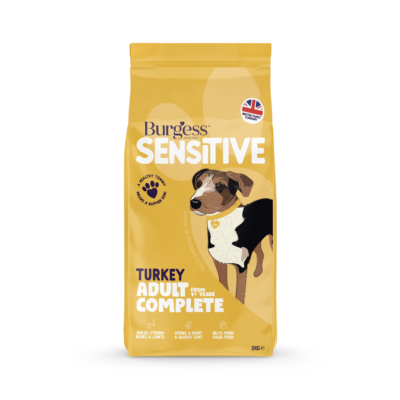
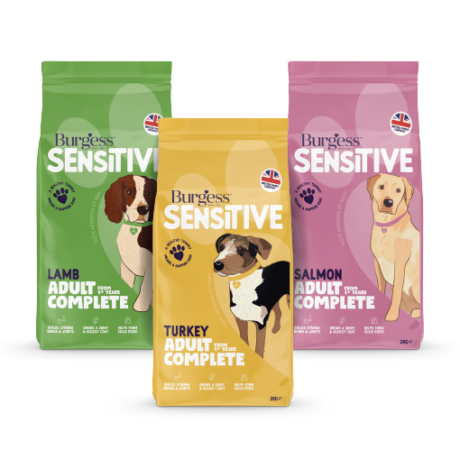
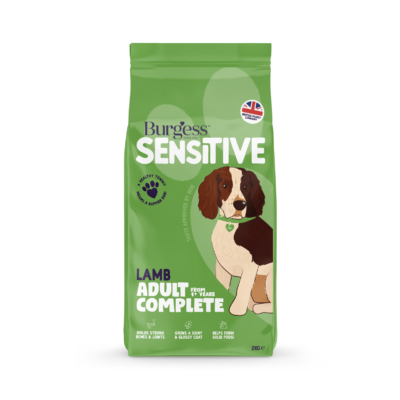
Our experts recommend Burgess Sensitive!
All Burgess Dog Food is a complete food. This means, whatever variety you choose for your dog, it will contain all the nutrients they need in the correct balance.
We also use only premium ingredients to ensure excellent quality and superior taste to help keep your dog happy and healthy – from puppy, to adult and senior. We’ve also developed foods to meet the specific nutritional needs of working and sporting dogs, Greyhounds and Lurchers, and dogs with sensitivities as well as a light variety for dogs who need to lose weight or are less mobile.
And we’re very proud of our Paul O'Grady's 'No Nasties' dog food range, which comes in Hypoallergenic and Grain Free varieties and is, in Paul's words: ''the best food you can feed your dogs.’'
For happy, healthy animals, choose Burgess Pet Care
Hopefully this blog has taught you all about hay fever in dogs, cats, and other small animals. Make sure you check out our dog blogs, cat advice, and small animal guides for plenty more advice when it comes to looking after your furry friends, no matter what their day holds!
As always, if you have any questions about your pet’s diet or the nutritional contents of our products, get in touch with our expert team.
Hay fever in pets: FAQs
Do cats get hay fever?
Yes, cats can also get hay fever, and it typically shows up through incredibly itchy skin. Your cat might be sneezing more or over-grooming themselves, resulting in bald patches or sores. Similar to your dog, make sure you consult with your veterinarian for a proper hay fever diagnosis.
Do small animals like rabbits and guinea pigs get hay fever too?
Yes, your small furries can suffer from pollen allergies too! In particular, rabbits and guinea pigs will show signs through itchy skin, watery eyes, and changes in breathing. Unlike humans and dogs who are allergic to outdoor pollen, small animals react to things in their living space such as dusty hay or paper bedding. Make sure you invest in high-quality feeding hay that is dust-extracted!
Can pets develop hay fever as they get older?
Yes, it’s uncommon for puppies or kittens to get hay fever, and most pets will show the initial symptoms between 1 and 3 years of age. However, more senior pets can also develop new sensitivities as their immune systems and skin barrier functions change over time. Make sure you browse our senior dog food and senior cat food that’ll give your senior companion everything they need to thrive.
Blog categories

Dogs

Cats

Rabbits

Guinea pigs