

Can dogs get dandruff? It’s a common question among dog owners … Let this guide from Burgess Pet Care give you all the top tips, tricks, and advice. Keep reading!
20th September 2026
Have you spotted white, dusty flakes on your dog's fur and wondered, ‘Can dogs get dandruff?’ Well, just like us, our dogs can get dandruff, and most of the time, it’s down to a change in environment, diet, or grooming habits.
Here at Burgess Pet Care, we truly care about your dog’s health and well-being. That’s why we sell high-quality dry dog food that contains all the essential ingredients needed for a shiny, healthy coat.
So, wondering how to tackle dandruff in dogs? Keep reading to find out how to rid your dog of these pesky little flakes…
Can dogs get dandruff? Common signs to look out for
Yes, dogs can get dandruff sometimes, just like us humans. It occurs when dead skin cells shed faster than normal and gather in your dog’s fur or on their bedding.
What does it look like? >> You might notice white, grey, or yellowish flakes sitting on your dog's back near their tail, as well as:
- Excessive itchiness - Scratching, biting, licking, or your dog rubbing themselves against surfaces
- Changes in their skin - Like red, inflamed, scaly, or scabby patches
- Coat issues - A dry, dull, or oily coat, accompanied by a foul odour
- Hair loss - Thinning fur or bald spots can also occur due to scratching or underlying skin problems
There are actually two types of dog dandruff: dry dandruff and oily dandruff. Dry dandruff is the most common, appearing as tiny white flakes that are dry and dusty. Oily dandruff is less common, and the dandruff flakes appear waxier and more yellow. Your dog might also have more of a grimy smell, indicating that they need a bath.
How can I get rid of my dog's dandruff?
If you believe that your dog's dandruff is a minor case, luckily, there are some home remedies you can adopt for flake-free skin and to boost their overall skin health.
Here are some natural ways to get rid of doggy dandruff:
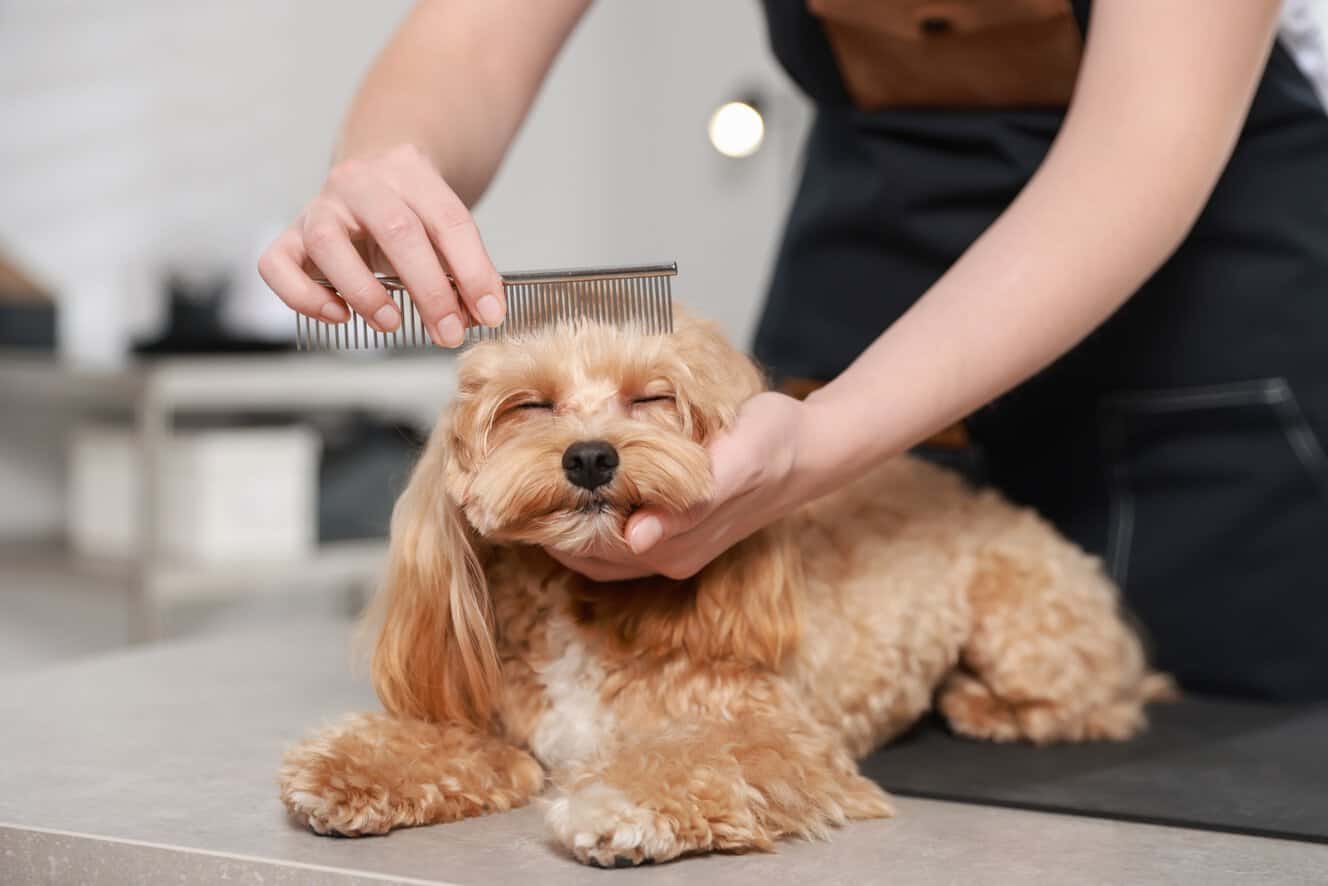
- Adopt a regular grooming routine - Frequent brushing can keep your dog’s fur soft and unmatted, reducing the risk of oil buildup
- Add more fish oil to your dog’s diet - Oily fish is rich in omega-3 and fatty acids, which can help to reduce inflammation and soothe their skin
- Tweak their bathing routine - How often you bathe your dog depends on a few factors, so make sure that they are getting the right amount of baths for their coat type
- Purchase medicated shampoos - You can get dandruff-specific doggy shampoos that can help reduce dandruff and improve the overall moisture of your dog’s skin (Don’t ever bathe your dog in human shampoo!)
- Switch to a high-quality food recipe - Focus on dog foods that are high in powerful ingredients, helping to nourish your dog’s gut and skin
Support your dog’s skin through proper Burgess Pet Care nutrition!
Make sure you browse all of our high-quality dog food, including puppy food, adult dog food, and senior dog food, for high-quality ingredients including high protein, lean meats, and powerful vitamins and minerals that’ll let your dog lead an energy-rich life.
>> For more diet advice and feeding guidelines, read our dog nutrition guide! <<
When to see a vet…
Usually, mild dandruff can clear up on its own. However, it might be a good idea to talk to your vet if you think your pooch has chronic dandruff, or you feel it is affecting their wellbeing. In fact, you should call your vet if you notice that:
- The flaking does not improve after one or two weeks
- Your dog seems very itchy and uncomfortable
- They have open sores or severe redness
- There might be a chance your dog has fleas or mites
Invest in your dog’s diet with Burgess Pet Care
So, can dogs get dandruff? Yes. But most of the time, it’s nothing to be worried about. Remember to schedule regular grooming appointments and feed your dog a well-balanced diet to prevent the chance of occurring skin issues.
That’s where Burgess Pet Care comes in! Did you know that we sell specialist dog and cat food, targeting everything from creaky joints to weight gain? Browse all our products, or have a read of our dog care guides for more tips and advice.
You can also get in touch with our expert team, who are more than happy to chat to you about enquiries you might have!
Dandruff in dogs: FAQs
Not answered your question? You might find the answers you need below!
What causes dandruff in dogs?
Your dog probably has dandruff because their skin’s oil-producing glands are out of balance, causing their skin cells to shed faster than normal. Dry air can also dry out your dog's skin, and a poor diet, especially a lack of key nutrients, can weaken their skin and coat.
How to treat dandruff in dogs naturally
For instant impact, you should try to improve your dog’s grooming routine, adjust their diet, and use gentle at-home remedies like an oatmeal bath or dog-safe shampoos and moisturisers. These are all things you can do from the comfort of your own home, but remember, if your dog’s dandruff is consistent, we recommend contacting the vet.
What is walking dandruff in dogs?
Walking dandruff, or cheyletiellosis, is a highly contagious skin condition in dogs caused by surface-dwelling Cheyletiella mites. It can be spread through direct contact with infected dogs, cats, rabbits, or humans, and appears as white, scale-like debris on the back and neck that looks like it’s walking due to the movement of mites underneath.
How to prevent dandruff in dogs
To stop your dog from getting dandruff in the first place, you should consistently adopt all of our treatment tips! Don’t just improve your dog’s diet while they have dandruff - maintain its consistency to prevent dandruff from showing up again. You could try using a humidifier in your home during the winter months to prevent dry skin.
Blog categories

Dogs

Cats

Rabbits

Guinea pigs