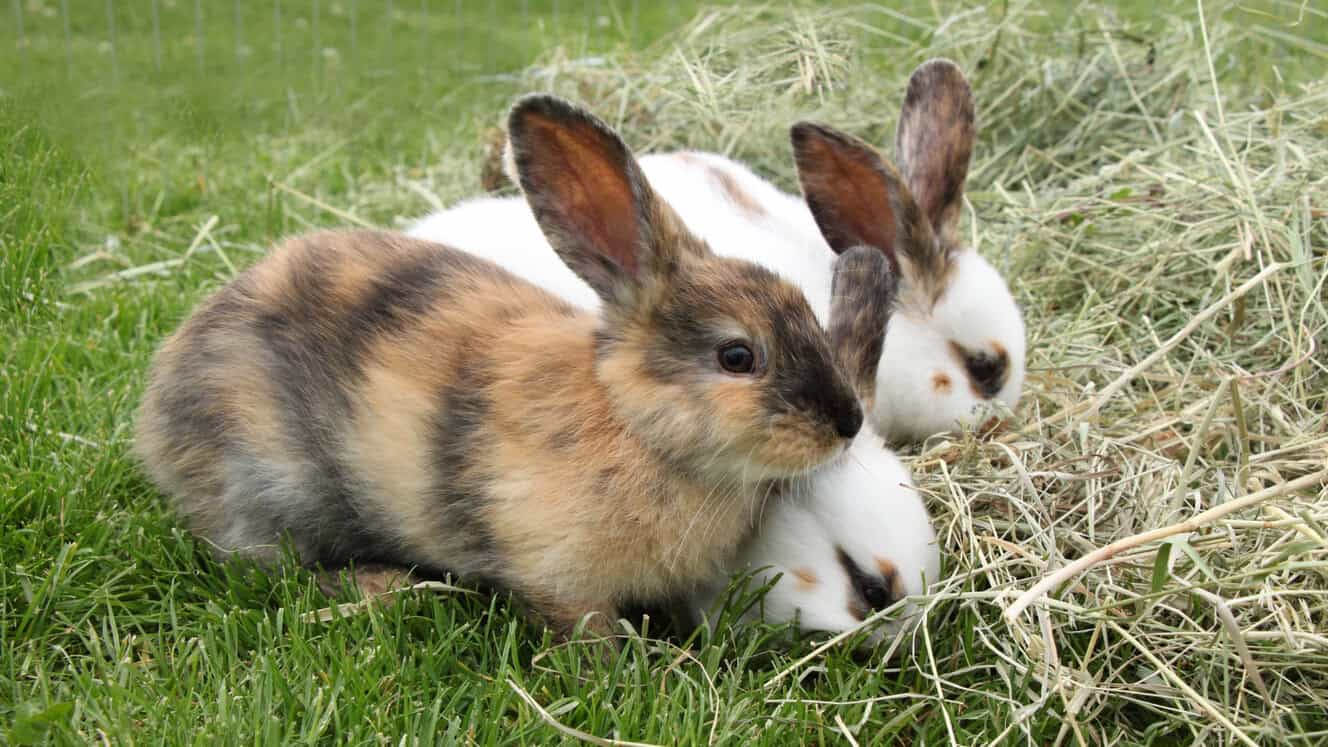
Rabbits, guinea pigs, chinchillas and degus need lots of fresh hay to eat every day to keep them healthy. But did you know, hay can also make them happy?
10th April 2025
If you have small pets such as rabbits, guinea pigs, chinchillas or degus, hay means much more to them than just something tasty to eat. Not only is it an essential part of their feeding plan, but it’s also really important for their well-being.
You might be wondering what animals eat hay and why they need it to thrive, and that’s where we come in! As a leading pet manufacturer, in this blog, our experts will explain why hay is a small pet essential for all round health and wellbeing, as well as explaining how much they need and how often.
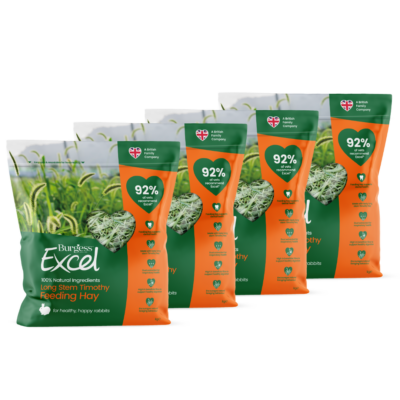
Discover our Burgess Excel Feeding Hay and see for yourself why small animals love it!
Why is hay important for small animals?
You might be wondering, ‘Why do rabbits need hay?’, or ‘Why do guinea pigs need hay?’ Well, hay should ideally make up around 85-90% of your small animals' daily diet. Our rabbit feeding guide and guinea pig feeding guide go into more detail about its importance, explaining how it offers more than just nourishment:
- It provides essential fibre
- It maintains dental health
- It supports mental and physical activity
- It promotes a healthy weight!
In the wild, small herbivores such as bunnies, guinea pigs, chinchillas and degus spend a big chunk of their day foraging through the undergrowth for food, which is something owners can replicate by using hay in different ways to keep their small pets busy and happy.
Our own Burgess in-house vet, Dr Suzanne Moyes MVB, MRCVS, explains: “Hay is super important for the overall health and wellbeing of many small furries. As well as supporting a healthy digestion and healthy teeth, chomping on hay also does wonders for the emotional enrichment of rabbits, guinea pigs, chinchillas and degus.”
Industry body, UK Pet Food also advises that hay is important for environmental enrichment: “Small herbivores benefit from being able to display natural behaviours and they also have a requirement for mental stimulation. In the wild, they spend extended periods of time foraging for food. Hay requires significant chewing, taking a relatively long time to eat. Providing unlimited hay, helps mimic natural foraging, helping to prevent boredom in pet herbivores and keeping them mentally stimulated.”
TOP TIP! Not all hay is the same! Always opt for fresh, fragrant high quality feeding hay that’s been especially grown for small pets to eat and is cut at just the right time to capture all the natural goodness. Cheap bedding hay that’s yellow and dusty has little nutritional value and your small furries won’t enjoy eating it.
Types of hay for your small animals
You might feel overwhelmed when it comes to choosing hay for your small animals. There are several types of hay available, and each one serves a different purpose depending on your pet’s age, size, and nutritional needs. We’ve broken it down for you to make it easier to understand!
Timothy Hay
Timothy hay is often the most commonly recommended type of hay for all small animals. It’s incredibly rich in fibre, and is a great choice for adult rabbits and guinea pigs! Timothy Hay from Burgess Pet Care encourages natural chewing and foraging, helping to keep your furry friend happy and stimulated while sporting a perfect smile! It also offers the right balance of fibre for digestive and dental health.
Meadow Hay
Meadow hay is made from various grasses found in natural meadows, which gives it a variety of textures and flavours! The variety of grass types in meadow hay provides essential nutrients for your pet, while encouraging them to chew and forage more actively. It’s also great to stimulate exercise in your pet.
Meadow Grass Hay
Similar to meadow hay, meadow grass hay contains a mixture of grass types but tends to be a bit softer and more aromatic. It’s also high in fibre and is a great addition to your pet’s hay selection. Because of its varied textures, it’s another great choice for mental stimulation for rabbits, guinea pigs, and other small animals.
Oat Hay
This type of hay isn’t very common, but it’s still a good choice for small animals who enjoy a sweeter taste. Oat hay is made from the same plants that produce oat grains, hence its name! It’s high in fibre, but also a lot sweeter than Timothy hay due to the presence of oat seeds. It’s not as nutritionally dense as other hay types, which is why it's often used as a treat or supplement in your pet’s diet.
What is the best hay for small animals?
The best hay for small animals is one that is high in fibre and has ideal calcium levels for dental and digestive health. Timothy hay is often considered the gold standard of the best hay available, and luckily for you, we stock that, plus plenty more, right here at Burgess Pet Care!
When you choose high-quality feeding hay for rabbits and other small animals, you’re providing them with a wealth of benefits, including:
- Vital fibre - Top quality feeding hay is an excellent source of fibre and plays a vital part in digestion for rabbits, guinea pigs, chinchillas and degus.
- Keeping teeth in good shape - Munching on delicious hay also keeps continuously growing teeth in check, helping to prevent dental disease.
- Promotes overall health - Feeding plenty of high-quality feeding hay, some grass-based nuggets and a few fresh greens will help your rabbits, guinea pigs, chinchillas and degus maintain healthy skin, coat, eyes, teeth and digestion!
Here at Burgess Pet Care, we take our hay very seriously indeed. We have a long tradition of supporting British farmers, and the grass used in our nutritious Excel nuggets for rabbits, guinea pigs and chinchillas is sourced from the UK to meet our stringent specifications. We know exactly which field each batch comes from and the date it was harvested. It’s also exclusive to Burgess. No other pet food manufacturer has access to our grass!
AND, 92% OF UK VETS RECOMMEND OUR BURGESS EXCEL SMALL PETS RANGE!
How much hay should you feed small animals?
Make sure you’re feeding each small pet an amount that’s equal to their own body size in tasty feeding hay every day. The amount of hay that your small pet needs depends on their age, health, and species. However, as we mentioned earlier, a general rule of thumb is that hay should make up 85-90% of your small animal’s diet.
We’ve got more information in our handy guide: how much hay do small animals need?
TOP TIP! What’s the right balance of feeding hay and nuggets? While grass-based nuggets for rabbits, guinea pigs, chinchillas and degus ensure your pets get all the vitamins and minerals they require, only feed a small amount of these a day – around an egg-cup size portion, per pet, per day. Why? Because nuggets don’t provide the same fibre levels and chewing action as hay. If you give your small pets too many nuggets, they may not eat the amount of hay they need to stay healthy, so getting the balance right is super important!
Serve up only the best dinner for your furry friends with the help of Burgess Pet Care
Hopefully, you’ve now got a better understanding of what animals eat hay, and more importantly, why. Our small pets deserve a high-quality diet that’s created just for them, and you can find it right here at Burgess Pet Care!
All of our foods for small animals are made at our factory in the heart of Yorkshire, using ingredients that meet our stringent specifications. Check out our delicious, healthy treats for rabbits that they’re sure to love!
LET’S GET SOCIAL! Sign up to the Excel Bunny Base or become part of the Excel Squeak Squad on Facebook. Find lots of advice and friendly discussions from like minded owners – and there are lots of cute bunny and piggy photos and videos! Also join us on Instagram.
CARE MORE Find lots of useful advice on caring for all your pets from Burgess, the pet experts. Training, nutrition, grooming and general care. It’s all here >>
Blog categories
Dogs
Cats

Rabbits
Guinea pigs