

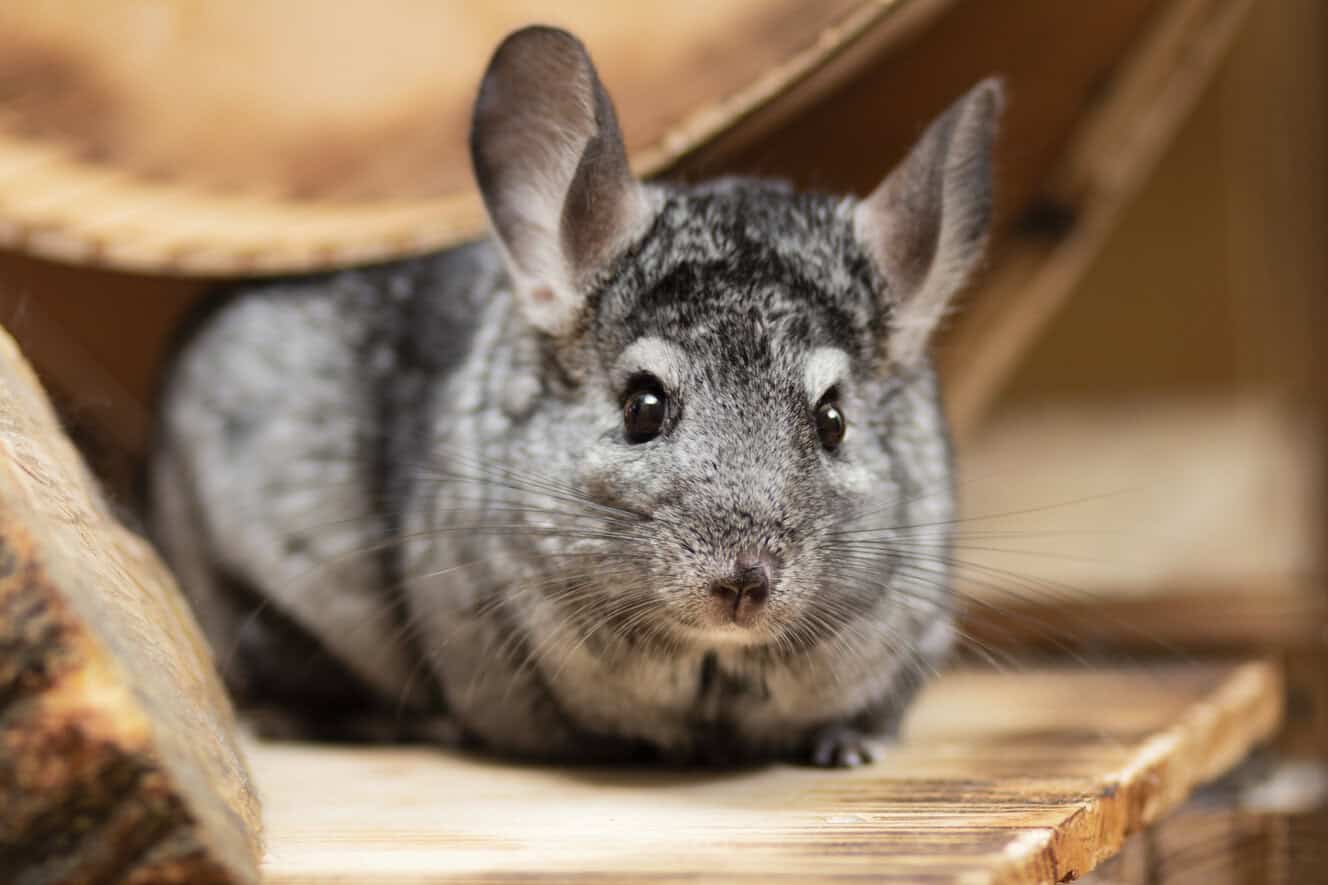
Chinchilla life expectancy is remarkably long. Find out more about these shy, intelligent, surprisingly athletic animals – and the best ways to provide them with everything they need to live long, happy and healthy lives.

Expert approved
Dr Suzanne Moyes MVB, MRCVS
22nd January 2026
If you’re looking for small pet pals that have a longer life expectancy than most small pets, then chinchillas certainly fit the bill.
How long do chinchillas live?
While pet hamsters, gerbils and rats typically live for 1 to 3 years, guinea pigs 5 to 8 years, and rabbits 8 to 12 years, chinchillas have the potential to live the longest, often reaching 15 to 20 years.
In fact, the oldest chinchilla ever recorded was Radar, a pet from Germany who lived to be an incredible 29 years and 229 days old! Born on February 1, 1985, he later moved to the USA and passed away in California on September 18, 2014, according to Guinness World Records.
Chinchillas are a long-term commitment
“They can live for 10-20 years, so they are a long-term commitment for any owner, says the RSPCA. “Chinchillas have only been kept as pets since relatively recently, and experts are still learning about how best to care for them.”
And caring for your chinchillas in the correct way is key.
“The best way to ensure your chinchillas lead long, happy and healthy lives is to understand their needs and provide them with everything they need to thrive,” advises Burgess in-house vet Dr Suzanne Moyes. “That means providing them with the correct nutrition, environment, enrichment, companionship and veterinary care. Like most rodents, chinchillas are prey animals, so they will hide signs of pain or ill health, as, in the wild, this would make them vulnerable. Regular check-ups with a vet specialising in exotic pets are an essential part of their care.”
Follow Dr Moyes’ top tips on caring for your chinchillas correctly to give them the best chance of living long, happy and healthy lives.
FEEDING YOUR CHINCHILLAS
Chinchillas are herbivores, and hay should form the main part of their diet. High-quality feeding hay (not bedding hay, which has little nutritional value) is an excellent source of fibre and plays a vital part in digestion.
Chinchillas need to keep their digestive systems busy with a mix of digestible fibre and indigestible fibre moving through the gut at all times. Chomping on hay also helps wear down their continually growing teeth, so they are kept at the correct length and shape.
Chinchillas are really sensitive to sugar and can suffer from obesity if given incorrect chinchilla feed, which can lead to many other health problems.
The ideal diet for chinchillas consists of:
- 85% -90% high-quality feeding hay – as a guide, provide each chinchilla with at least their own body size in fresh feeding hay every day.
- Nutrition-packed nuggets – around one egg cup a day per chinchilla, to help ensure your chins get all the vital vitamins and minerals they need. Feeding chinchilla food that consists of high-fibre grass-based nuggets instead can help prevent serious health issues.
- A small portion of chinchilla-safe leafy greens, herbs and dried forage. Mimicking what they’d eat in the wild, pet chinchillas prefer dead and dry leaves to fresh, so try mixing some dried leaf-based forage, or dried wildflower forage in with some tasty, nutritious feeding hay.
- Fresh water – chinchillas need constant access to fresh, clean drinking water from a suitable water bottle with a metal spout.
- You can also include some yummy, healthy nature snacks to add enrichment to their diet. These are great for hand feeding, helping you to build your bond with your chinchilla chums. Other chinchilla-safe treats include: traditional rolled oats, a small piece of wheat biscuit (5p piece size), a small piece of shredded wheat (5p piece size), dried dandelions, nettles, clover and ribwort, dried chamomile flowers, and rosehips (one piece as an occasional chinchilla food treat).
Shop the complete range of chinchilla food, feeding hay and tasty treats >>
- HOUSING YOUR CHINCHILLAS Chins are highly active, so they need a very large living space. They also have some specific housing requirements, such as shelving, nest boxes and dust baths, to create a home sweet home they’ll enjoy living in.
- PROVIDING COMPANIONSHIP FOR YOUR CHINCHILLAS Highly social chins need to be kept in same sex or neutered pairs so they have another chin to chat to – they get lonely and stressed if kept on their own.Either a female with a neutered male, or littermates of the same sex, will usually live harmoniously as long as they have been together since birth.
- PROVIDING ENRICHMENT FOR YOUR CHINCHILLAS Chins love to play together, so always provide them with lots of suitable toys. Some of a chinchilla’s favourite things to do are chewing, shredding stuff, jumping and dust-bathing, so it’s important that their accommodation provides plenty of opportunities to enable them to exhibit these natural behaviours. Apple, pear or willow tree twigs and branches are fun to chew on and wear down their continuously growing teeth. Paper bags, toilet or kitchen rolls stuffed with yummy hay will go down a treat. Also stock up on Coconut Leaf Twists and Banana Leaf Balls wrapped in seagrass string for a whole mess of shredding fun. When you know them well, and they are happy in their homes, they can be taught to do basic tricks to earn a treat.
- EXERCISING YOUR CHINCHILLAS These energetic animals require at least one hour of exercise each day outside their cage in a secure, chinchilla-proofed room where they can jump, explore and exhibit their natural behaviours. A dedicated play space is essential to allow them to stretch their legs and let off some steam.
- UNDERSTANDING YOUR CHINCHILLAS’ SLEEP PATTERNS Most active in the evenings and at night, crepuscular chinchillas sleep during the daytime, often while squeezed into very small spaces and usually upright in a huddled position. They will also sleep on their sides, and they can even sleep upside down! Be aware that chins often make a fair bit of noise as they play, eat and explore during the twilight hours!
- HANDLING YOUR CHINCHILLAS Chins don’t tend to enjoy being picked up, but if you’re patient and gain their trust, they might take treats from your hand. Providing them with an interesting set-up will provide hours of fun watching them exploring and jumping around.
NEED SOME EXPERT CHINCHILLA FEEDING TIPS?
If you are at all unsure about the best way of feeding your chinchillas, or have any concerns about specific nutritional requirements, ask your local veterinary practice for advice. You can also call our expert team on 44 (0)0800 413 969 who’ll be happy to help. They’re available 9am-5pm, Monday to Friday. Alternatively, you can use our online form to get in touch.
SERVE UP ONLY THE VERY BEST DINNER FOR YOUR SMALL PETS!
Our small pets deserve a high-quality diet that’s created just for them. At Burgess, all our food and treats for chinchillas are made at our factory in the heart of Yorkshire, using only ingredients that meet our stringent specifications.
With a long tradition of supporting British farmers, we actively source all our ingredients as close to our mill as possible and have launched many innovations.
*It’s no surprise that 92% of UK vets recommend our Burgess Excel small pets range!*
CARE MORE Find lots of useful advice on caring for all your chinchillas from Burgess, the pet experts. Health, housing, feeding, companionship and chinchilla behaviour. It’s all here >>
Join the Burgess Pet Club for exclusive offers, competitions and expert advice from our in-house vet, Dr Suzanne Moyes.
12 facts you may not know about Burgess Pet Care! >>
If you found this interesting, you may also like:
THE ULTIMATE GUIDE TO HAPPY, CHILLED CHINCHILLAS Famed for their soft, dense fur and gentle nature, chinchillas make fascinating pets, providing you understand what’s involved in caring for these timid, highly active animals.
WHAT SHOULD I FEED MY CHINCHILLAS? Chinchillas are exotic pets with very specific nutritional requirements. Ensuring that you feed your chinchillas the right diet is essential to their health and wellbeing. To help you out, we’ve put together a five-step guide.
SET UP A HOME SWEET HOME FOR YOUR CHINCHILLAS Chins might by super cute small balls of fluff, but, when they’re not snoozing in a hairy huddle, they’re naturally very active and need plenty of space to explore, run and jump around in accommodation that’s placed in a suitable setting.
DOES YOUR SMALL PETS’ HAY PASS THE TASTE TEST? Do you have discerning dry grass eaters who are picky about what hay they munch on? Our nutritious, naturally delicious hay range will tempt even the fussiest hay connoisseurs!
WHAT’S THE BEST BEDDING FOR SMALL PETS? Whichever small pets you have, each has different requirements when it comes to creating a cosy, safe snoozing space.
SPRING CLEANING? WHY GOOD HOUSEKEEPING IS A SMALL PET ESSENTIAL Keeping your small pets’ home clean, tidy and hygienic will discourage pests from making an unwanted appearance and help keep your small furry friends healthy and happy.
HOW TO HANDLE SMALL PETS When it comes to being handled, different small pets have very different opinions. Some soon learn to enjoy it – particularly if there are some tasty treats involved! Others are not quite so keen.
SMALL FURRY FRIENDS – WHICH SMALL PET IS THE RIGHT MATCH FOR YOU? When it comes to choosing small pet friends, there are all sorts of wonderful animals to consider – from rabbits and guinea pigs and hamsters, to chinchillas, degus and gerbils, and mice, rats and ferrets. But how do you decide which type of small pet will be the best match for you?
WILD AT HEART Inside every pampered small pet is the desire to exhibit their innate, hardwired, natural behaviours which reveal their wild origins. It’s the reason why bunnies want to dig and burrow, guinea pigs like to keep a watchful eye on what’s going on from a safe hiding place, hamsters stuff food in their cheek pouches and chinchillas prefer to sleep hunched up. Find out more about the natural and fascinating behaviours of some of our favourite small furries.
SMALL PET RESCUE If you’re looking for small pet friends, could a rescue centre be a good place to start? With expert advice on hand, finding your perfect small pet match couldn’t be easier...
FINDING A VET FOR YOUR SMALL PETS Did you know that just like hospital specialists, vets have different areas of expertise? That’s why, if you have small pets, it can be a good idea to seek out a vet that specialises in small animal medicine.
BONDING WITH YOUR SMALL PETS Handfeeding is a great way to build a closer bond with small animals. It takes time to build trust, but when your little friend finally feels confident enough to take a treat from your hand, it’s a special moment.
THE UK’S TRENDIEST SMALL PET NAMES From rabbits to guinea pigs, pet rats, mice, gerbils and hamsters to chinchillas, degus and ferrets, when it comes to naming your small pets, how do you choose a name that suits their beguiling looks, sweet personalities and adorable ways?
DO YOUR SMALL PETS HAVE THE RIGHT TO ROAM? While providing your small pets with secure, accommodation that’s suitable for their species is all-important, small furries also benefit from having the opportunity to explore and exercise outside their main housing in an appropriate setting.
SMALL PET MUMS ARE BIG ON LOVE Let’s celebrate small pet mums for the amazing job they do bringing up their tiny babies!
WHAT PUTS YOUR SMALL PETS IN A GOOD MOOD? Along with socialising with their same species companion and interacting with their favourite human, our survey reveals the best thing you can to do to give your small furries a happiness boost…
COST EFFECTIVE WAYS TO LOOK AFTER YOUR SMALL PETS How to create DIY boredom breakers and ways to upcycle old furniture and unwanted items from around the house into interesting features for your pets’ environment.
NEW PETS ON THE BLOCK? From dogs to degus, cats to chinchillas, guinea pigs to gerbils, ferrets to fancy rats – when did these awesome and amazing animals become our furry companions?
HOW TO TELL IF YOU HAVE A HAPPY PET Wheek-wheeking, bruxing, dooking, chirping, binkying, popcorning – there are all sorts of ways our pets tell us they’re feeling good, once you know what to look for...
Featured products
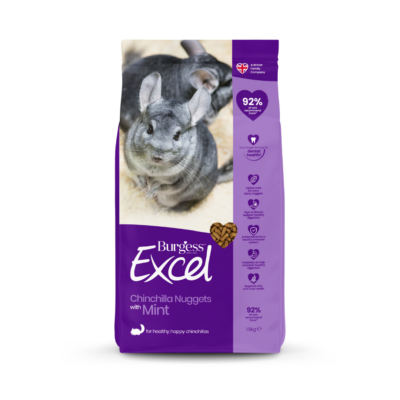
Excel Chinchilla Nuggets with Mint
from £8.50
Blog categories

Dogs

Cats

Rabbits

Guinea pigs