
Are Oriental Shorthair cats affectionate? Are they high-energy and demanding, requiring constant companionship? Are they vocal? Are Oriental Shorthair cats good family pets? Do they get on well with other animals? Do they need much grooming? How big do they get? Are Oriental Shorthairs hypoallergenic? Find out more about the energetic extroverts of the cat world.

Expert approved
Dr Suzanne Moyes MVB, MRCVS
27th May 2026
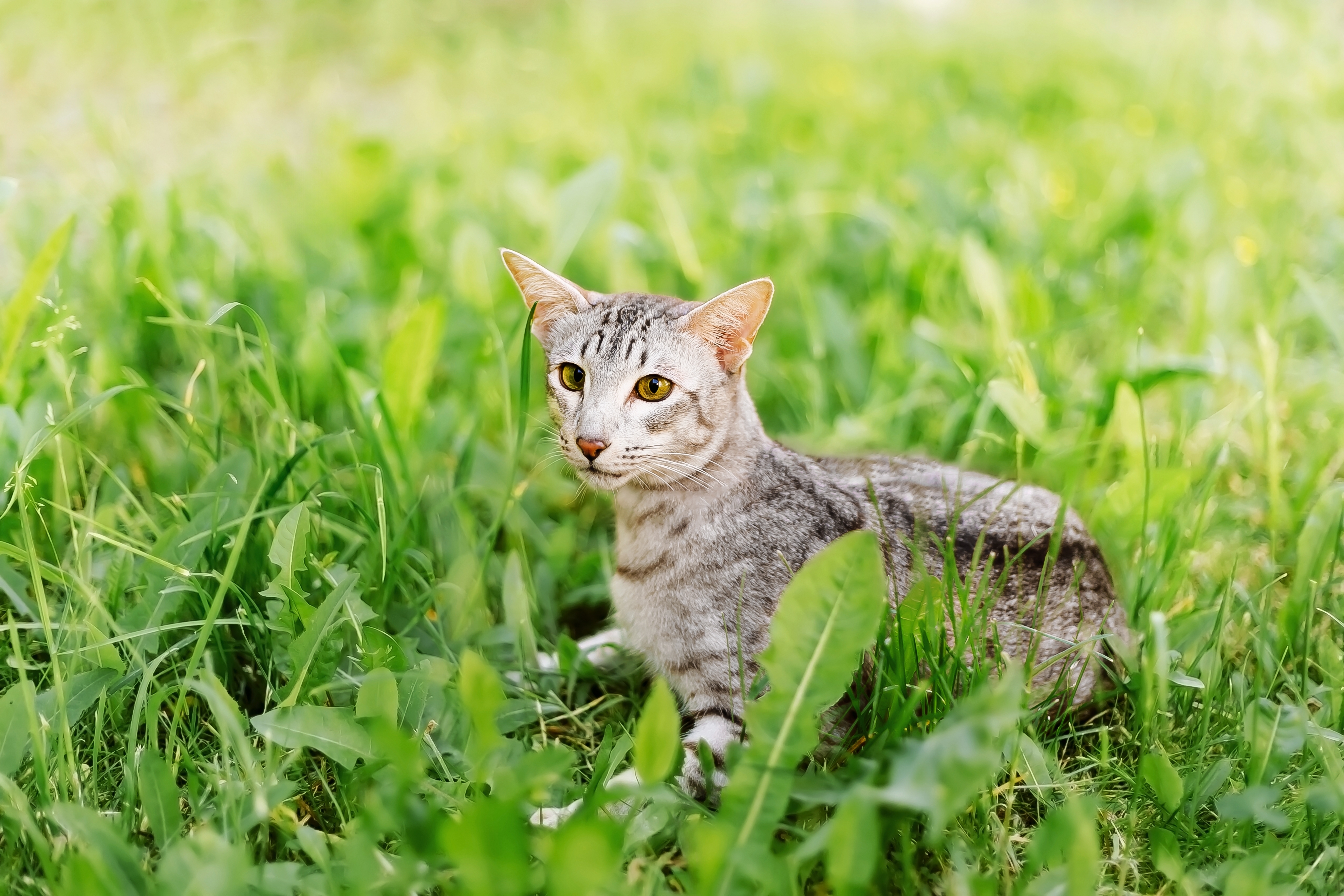
Slender and slinky, Oriental Shorthair cats are instantly recognisable by their unusually large ears and wide-set nose. A member of the Siamese breed group, Orientals are extremely intelligent, and they love to 'talk', producing an extraordinary range of sounds to get their point across!
“From the tip of its nose to the end of its long, whippy tail, the Oriental is a study in elegant design that clearly reveals its Siamese roots,” enthuses the Cat Fanciers’ Association (CFA). “These cats have personalities as striking and appealing as their colours. In short, the Oriental is an irresistible combination of feline beauty and affectionate, interactive devotion.”
“Oriental Shorthairs are a very lively, elegant and colourful cat, in every sense,” adds the Governing Council of the Cat Fancy (GCCF). “These are not cats for people who want to live a quiet life, but they are wonderful for people who want an interactive and amusing pet and a truly devoted companion.”
“This breed makes for a good companion and can be a lovely first-time cat, but they do need lots of play opportunities to prevent boredom and don’t like being left alone,” notes insurer Petplan.
WHAT DO ORIENTAL SHORTHAIR CATS LOOK LIKE?
This captivating cat has an unmistakable look. “A svelte, graceful, refined cat of medium size with long tapering lines, very strong, lithe and muscular,” is how The International Cat Association (TICA) depicts this distinctive breed.
“Orientals have the same svelte elegance as Siamese, with fine boning, tubular bodies, and a firm muscularity that may surprise you, given their refined appearance,” says the CFA. “Heads have the characteristic long, flat profile and wedge shape, with almond-shaped eyes and strikingly large, broad-based ears. An Oriental Shorthair’s tail will be long, whippy, and seem to go on forever.”
WHERE DO ORIENTAL SHORTHAIR CATS COME FROM?
Orientals originated in the 1950s in England and are part of what’s known as the Siamese Breed Group, which includes the Oriental Longhair, Siamese and Balinese.
TICA explains: “After World War II, the number of breeders and breeding cats was reduced. Some of the remaining breeders became quite creative as they rebuilt their breeding programs. Many modern breeds developed from the crosses done at that time. One such breed is the Oriental Shorthair/Longhair. What makes the Oriental Shorthair distinct from the rest of the Siamese group is their wide array of colours combined with a short, sleek coat.”
ARE ORIENTAL SHORTHAIR CATS HYPOALLERGENIC?
Cat lovers with allergies are always hoping to discover a truly hypoallergenic cat breed, and the debate surrounding Oriental Shorthairs is ongoing.
Orientals shed much less than other breeds. However, all cats produce allergens through their saliva, skin, and dander. “They are considered to be one of the better cats for allergy sufferers,” states Petplan, “although no cat is truly hypoallergenic.”
Read on to find out more about Oriental Shorthair cats. Are they good with children and other pets? Are they playful and affectionate? What do Oriental Shorthair cats like to do? From grooming and playtime to feeding, find out how to provide Oriental Shorthair cats with everything they need to live a fulfilling and happy life.
But first, check out these Oriental Shorthair cat facts!
6 SURPRISING ORIENTAL SHORTHAIR CAT FACTS
- Oriental Shorthairs are medium in size. Adult females weigh between 5 to 8 pounds (2.26 to 3.6 kg), and adult males 8 to 12 pounds (3.6 to 5.4kg).
- Oriental Shorthairs are often referred to as ‘rainbow cats’ due to the range of stunning coat colours they come in. There are an estimated 300 different Oriental Shorthair cat coats, from solid colours to striking spots and stripes.
- Oriental Shorthairs are known for producing a unique vocal sound described as a ‘honk’ rather than a standard meow.
- Oriental Shorthairs are often described as ‘Velcro cats’ because they form such strong bonds with their owners that they rarely leave their side.
- Oriental Shorthairs are talented climbers who can often be found perched on top of doors or keeping lookout from the highest shelf in the house.
- Oriental Shorthairs are renowned for their intelligence, frequently figuring out how to open doors to get wherever it is they want to go. They’ll also learn to pry open containers, cupboards and drawers to check out what’s inside!
ORIENTAL SHORTHAIR CAT PERSONALITY PROFILE
These chatty, confident cats will want to be the centre of your world – and they’ll expect you to always be available to do their bidding!
“They have strong and distinctive personalities. Do not let their fine bones and slender appearance fool you! They are athletic and confident,” says TICA. “Orientals are wonderful for people who want an interactive and amusing pet and a true and devoted companion.”
“You are likely to receive a lot of chatter from an Oriental, and they often love to be where you are, telling you about their day. You’ll find them snuggled up on your lap or perched on a high spot in the room, so providing them with a cat tree will enable them to perch high safely,” adds veterinary charity PDSA.
“There’s never any doubt that you are dealing with a very people-centred breed,” notes the CFA. “Every move you make will fascinate your Oriental, who may make a close examination of your toothbrush before you use it, assist you in tying your shoes, and help you select your breakfast from the refrigerator. And if you are not in motion, the Oriental will settle in your lap, offering soothing purrs and occasionally nuzzling your chin.”
This super-friendly feline will happily socialise with just about everyone. “This is generally considered one of the cats with the best temperaments,” notes Petplan. “This is a very sociable, loving and loyal breed, and despite their elegant looks, they are extremely cuddly. They love to snuggle on laps and sleep in their owner’s bed.”
Understand your cat better with our cat communication guide >>
IS MY HOME SUITABLE FOR AN ORIENTAL SHORTHAIR CAT?
A clever, affectionate extrovert, the silky Oriental Shorthair cat thrives when there are people about most of the time – and will benefit from an enriching environment to explore.
“This friendly and outgoing cat makes for a loving and loyal family pet that loves to cuddle, play, and be around their humans,” says Petplan. “They also love climbing and leaping, so make sure their daily environment has lots of high perches and places to jump to. Access to outdoor space would be great for these cats.”
Oriental Shorthair cats, other pets and children can get along well
Breed experts reveal that these self-assured felines will happily rub along with children and other pets in a busy home. “They hold their own against much larger cats and dogs, often ruling the roost,” notes TICA. “They are good with kids, other cats, dogs, and lots of activity and commotion. They are not cats for people who want to live a quiet life, have undisturbed knick-knacks, and a cat content to sit still and look pretty.”
“They make wonderful family pets, shifting easily from one lap to the next or persuading other pets to join them in a game of fetch the feather,” adds the CFA.
“This is one of the cat breeds which can often get along with dogs, if properly socialised and introduced slowly, so if you already have pets, this may be a good breed to look into,” advises Petplan.
Oriental Shorthair cats don’t like to be left home alone
Because they like lots going on, Orientals won’t be happy if they’re left on their own for long periods. “Company is essential – if you plan to be out of the house a lot, this may not be the cat for you,” advises Petplan. “If you are out of the house a lot, consider getting another cat so they won’t get too lonely.”
WHAT DO ORIENTAL SHORTHAIR CATS LIKE TO DO?
While every cat is an individual with a unique set of likes and dislikes, there are certain things that are extremely important to Oriental Shorthair cats.
Top of the list is hanging around with their human family, joining in with everyday activities, and playing lots of games together that stimulate their intelligent minds and help keep them fit and healthy.
“Many of them are fetchers, returning their favourite fetch toy tirelessly to the hands of their human,” says the GCCF. “They can amuse themselves for hours with an empty cardboard box. They do not grow out of their love of play, remaining kitten-like all their lives.”
“No cupboard or high shelf is safe from these inquisitive, high-jumping cats,” adds TICA.
Petplan notes that because of their intelligence and love of interaction, Oriental Shorthairs are highly trainable and will thrive on learning new things: “Regular interaction with a range of cat toys and games is essential to keep boredom at bay.”
GROOMING YOUR ORIENTAL SHORTHAIR CAT
When it comes to grooming, Oriental Shorthairs require little input from their human, although they love the attention!
“One big advantage of Oriental Shorthair cats is their beautiful, silky coat, which requires little grooming compared with other breeds,” notes Petplan. “To groom Oriental Shorthair cats, you just need to brush the coat once a week to remove any dead skin, and stroke with a soft cloth. These cats are very hygienic and self-groom regularly, but it’s generally a good idea to groom your pet so you can spot bites, stings, scratches, skin infections, lumps and bumps or signs of a greasy or unhealthy coat. Like all other breeds, you may want to keep an eye on dental health to prevent infection and disease.”
“Most Orientals adore being groomed, though they are minimal shedders and don’t need much of it. For a shorthair, use a rubber curry brush to stroke across the cat’s body,” adds the CFA. “Grooming once a week is recommended.”
The ultimate cat grooming guide >>
FEEDING YOUR ORIENTAL SHORTHAIR CAT
All cats – from tiger to domestic tabby – are obligate carnivores, which means they must eat meat to survive. Meat contains essential amino acids which they can’t make themselves. Cats also require high levels of protein and can benefit from food that’s appropriate for their life stage.
Industry body UK Pet Food states: “Cats vary from many species, requiring a significant amount of protein in their diet, plus certain nutrients, such as taurine, as part of a balanced diet with just the right amount of fats, carbohydrates and essential vitamins and minerals, to stay in peak condition. Nutrients must be present in the correct amounts for their stage in life and in the correct proportion to each other, in order to provide a nutritionally complete and balanced diet.”
Burgess in-house vet Dr Suzanne Moyes MVB, MRCVS advises: “Along with high protein levels, cats require a careful balance of vitamins, plus the essential amino acid taurine necessary to promote a healthy heart and eyes. A complete diet will have all the necessary vitamins, minerals, essential fatty acids and amino acids in the right ratio.”
How much and how often should you feed your cat?
Adult cats are generally fed twice a day. Alternatively, as cats in the wild naturally eat lots of small meals per day, you could try splitting their daily intake into several small meals (unless advised otherwise by your vet). Providing dry cat food in a variety of ways, such as in treat balls or cat puzzles, can deliver a much more exciting and rewarding experience for your cat.
Portion control is also important, so get into the habit of measuring out accurate amounts each day. Giving your cat a little more than they need means they could become overweight – which can be an issue for Orientals, leading to health issues. Likewise, if you don’t feed enough, your cat will not get all the nutrients they need and will become underweight.
Dr Moyes advises: “By following the on-pack instructions, it’s easy to measure out exactly the right-sized portion that’s suitable for your cat’s age and lifestyle to ensure they consume the correct amount of nutrients. For instance, house cats may need fewer calories than cats that spend much of their day roaming outdoors. Dry cat food is a good option as it’s easily portioned, may be better for dental health and encourages extra water consumption.”
Wet food v dry food
Unlike wet cat food, dry cat food stays fresh inside the pack until you’re ready to serve it to your cat. And that’s not all! Other benefits include:
- Free feeding – As dry food can be left out because it won’t spoil, this suits those cats who prefer to graze their food over the day rather than at specific mealtimes.
- Helpful for healthy teeth – Munching on crunchy kibble encourages chewing and helps to keep teeth clean.
- Makes feeding more fun – Dry food is easier to use with food dispensers and puzzle toys, providing environmental enrichment and mental stimulation.
- Portion control – By following the on-pack instructions, it’s easy to measure out exactly the right-sized portion to help your cat maintain a healthy weight.
Make sure to supply plenty of fresh water, too, in a separate place from their feeding area. Lots of cats aren’t keen on drinking water from a bowl, preferring moving water to still – so it may be worth investing in a cat fountain if you don’t want them drinking from a dripping tap!
GETTING AN ORIENTAL SHORTHAIR CAT
If you’re interested in adding one of these sleek, super affectionate felines to your family, find out as much as you can first and decide if you’ll be able to provide them with everything they need to be a truly happy and contented cat.
If you’re looking for a kitten, only buy from a reputable, registered breeder – the Oriental Cat Club and the GCCF have more information.
Alternatively, visit the Cat Rescue Resource, the Oriental Cat Welfare Trust or the Oriental Shorthair Cats for adoption and rehoming Facebook page, to find beautiful rescue cats looking for happy new homes. Also check out other rescue charities such as Cats Protection, Battersea, Blue Cross, RSPCA and Woodgreen, who’ll be delighted to hear from you, and can provide you with lots of helpful advice on adopting a rescued cat.
EVERY CAT DESERVES A DELICIOUS, NUTRITIOUS DINNER!
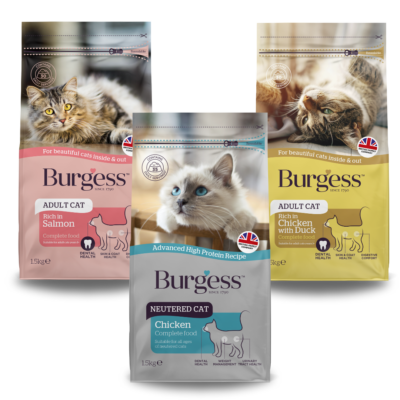
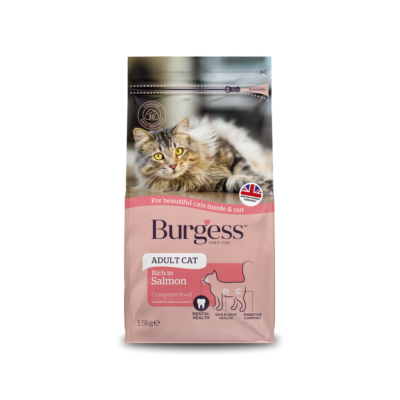
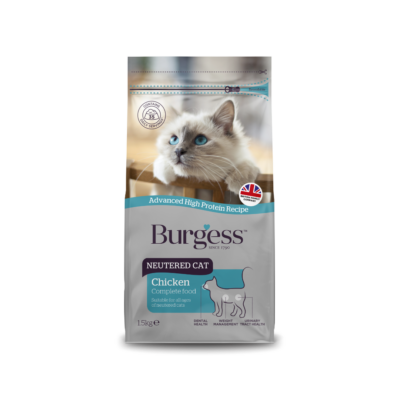
At Burgess Pet Care, all our cat food is made in Yorkshire, using premium ingredients to ensure excellent quality and superior taste to help keep your cat happy and healthy – from kitten, to adult and mature and Burgess Neutered Cat with Chicken – an advanced, high protein, complete food with added L-Carnitine to help maintain a healthy weight.
- Salmon? Duck? Chicken? Let your adult cat pick their favourite flavour with our fussy cat bundle >>
- Our cat diet and nutrition guide is here to help you create a meal plan that's tailored especially for your feline friend.
- How often should you feed your cat? Find out why little and often suits most cats – and the reason why play should be part of your feeding routine.
- Adapting your cat’s diet throughout their life What you choose to feed your cat at different life stages can make all the difference.
With a whole host of *5-STAR REVIEWS*, our customers have told us:
* “I feel like I'm giving her a complete and nourishing meal that she genuinely enjoys eating.” * “My cat is obsessed with the chicken and duck combination – she finishes every bowl.” * “Love the high meat content and lack of artificial fillers, a very healthy food.” * “Her fur is visibly shinier since we switched to this food – clearly good nutrients.” * “Our cats love this cat food, and they are healthy and have lovely, glossy coats.” * “Noticed a definite improvement in my cat's fur texture since switching to this formula. It's much softer.” * “The person I got my cat from recommended this brand, and it's been fantastic, great product.” * “I trust Burgess for providing quality nutrition for my cat. This chicken and duck blend is fantastic.” *
CARE MORE Find out more about caring for your cat from Burgess, the Pet Care Experts. Is your cat a Burgess cat? Join our Pet Club for exclusive offers and competitions – and expert advice from our in-house vet, Dr Suzanne Moyes.
Blog categories

Dogs
Cats

Rabbits

Guinea pigs