
Can guinea pigs eat red grapes? Can guinea pigs eat grapes with skin? Can guinea pigs eat grapes with pips? What fresh foods are safe for guinea pigs to eat? What foods should you never give to guinea pigs? Find out all the answers in our informative Q&A…

Expert approved
Dr Suzanne Moyes MVB, MRCVS
8th January 2026
Grapes all small, sweet, nutrition-packed nibbles, so it’s no surprise that many guinea pigs enjoy eating them. However, as with many sweet treats, moderation is key.
“Grapes contain beneficial ingredients including antioxidants, vitamins, and minerals and, for humans, are a convenient, nutritious snack,” says Burgess in-house vet Dr Suzanne Moyes. “However, grapes are not so beneficial for animals. In fact, grapes are extremely toxic to dogs, cats and ferrets. And, while grapes are safe for guinea pigs to eat, owners need to be cautious. Grapes contain high amounts of sugar and water, so feeding too many of them may contribute to guinea pig obesity and cause upset tummies and diarrhoea.”
Keep reading for our expert advice on feeding grapes to guinea pigs safely, what other fresh fruits and vegetables are safe for guinea pigs to eat, how to create the perfect piggy feeding plan – and what foods to avoid...
Independent from the day they are born – why junior guinea pigs don’t need life-stage food >>
>>>>>>>>>>>>>>>>>>>>>>>>>>>>>>>>>>>>>>>>>>>>>>>>>>>>>>>>>>>>>>>>>>>>>>>>>>>
FEEDING FRESH FRUIT AND VEG TO GUINEA PIGS – FIND THE ESSENTIAL INFORMATION YOU NEED TO KNOW WITH OUR Q&A
Q: How many grapes should a guinea pig eat?
A: Grapes should be seen as a special treat, only to be fed to your guinea pigs occasionally – just one grape per piggy, once or twice a week.
>>>>>>>>>>>>>>>>>>>>>>>>>>>>>>>>>>>>>>>>>>>>>>>>>>>>>>>>>>>>>>>>>>>>>>>>>>>
Q: Should grapes be cut or sliced?
A: Yes! This is extremely important as, just as with small children, grapes can be a choking hazard for guinea pigs. Wash thoroughly, remove any stalks and cut each grape into small pieces that are around the same size as guinea pig nuggets.
>>>>>>>>>>>>>>>>>>>>>>>>>>>>>>>>>>>>>>>>>>>>>>>>>>>>>>>>>>>>>>>>>>>>>>>>>>>
Q: Can guinea pigs eat grapes with the skin on?
A: Yes – the skin contains lots of the beneficial nutrients.
>>>>>>>>>>>>>>>>>>>>>>>>>>>>>>>>>>>>>>>>>>>>>>>>>>>>>>>>>>>>>>>>>>>>>>>>>>>
Q: Can guinea pigs eat grapes with pips in?
A: Pips are another choking hazard, so always remove them or opt for seedless grape varieties.
>>>>>>>>>>>>>>>>>>>>>>>>>>>>>>>>>>>>>>>>>>>>>>>>>>>>>>>>>>>>>>>>>>>>>>>>>>>
Q: Can guinea pigs eat red grapes?
A: Red, green and black grapes have virtually the same nutritional profiles and are all safe for guinea pigs to eat. In general, red grapes are slightly sweeter than green grapes.
>>>>>>>>>>>>>>>>>>>>>>>>>>>>>>>>>>>>>>>>>>>>>>>>>>>>>>>>>>>>>>>>>>>>>>>>>>>
Q: Can guinea pigs be allergic to grapes?
A: This is unlikely, but it is a possibility. Whenever you introduce new foods to a pet’s diet, there’s always the potential for them to have an adverse reaction. Every guinea pig is unique and may react differently to certain foods, so it’s essential to monitor your pet closely when introducing any something new to their diet. Mild allergic reactions may involve face swelling, raised bumps or patches on the skin, or diarrhoea. More severe allergic reactions may result in breathing problems. If your guinea pig is struggling to breathe, seek immediate veterinary assistance.
>>>>>>>>>>>>>>>>>>>>>>>>>>>>>>>>>>>>>>>>>>>>>>>>>>>>>>>>>>>>>>>>>>>>>>>>>>
TOP TIP! Only feed your guinea pigs very small amounts of FRESH grapes. Processed grape products such as raisins, sultanas and currants or grape jelly should NEVER be given to guinea pigs.
>>>>>>>>>>>>>>>>>>>>>>>>>>>>>>>>>>>>>>>>>>>>>>>>>>>>>>>>>>>>>>>>>>>>>>>>>>
Q: What other fresh fruits are safe for guinea pigs?
A: Guinea pigs don’t naturally eat fruit, but you can give small amounts as an occasional treat. Safe fruits for guinea pigs include apple (not the pips because they’re poisonous), banana, blueberry, cherry, kiwi, melon, pear, plum, squash and strawberry.
>>>>>>>>>>>>>>>>>>>>>>>>>>>>>>>>>>>>>>>>>>>>>>>>>>>>>>>>>>>>>>>>>>>>>>>>>>>
Q: What fresh vegetables are good for guinea pigs to eat?
A: Guinea pigs need a small handful of fresh guinea pig-safe leafy greens, vegetables and herbs every day. There are all sorts of guinea-pig safe veggies for your pets to enjoy including baby corn on cob, bell peppers, carrot tops, cauliflower leaves and stalks, celery leaves, courgette (and flowers), green beans, peas (leaves and pods), rocket, savoy cabbage, spring greens, watercress and tomato – but not the leaves/vine as these are poisonous. They’ll also enjoy some tasty herbs such as basil, coriander, dill, mint, oregano, rosemary, sage and thyme.
Guinea pigs are living longer! So, what’s on the menu for the more mature piggy? >>
>>>>>>>>>>>>>>>>>>>>>>>>>>>>>>>>>>>>>>>>>>>>>>>>>>>>>>>>>>>>>>>>>>>>>>>>>>
Q: What’s the perfect guinea pig diet?
A: Wild guinea pigs forage on grasses, plants, vegetables and crops. To help your pet piggy pals stay healthy and happy, you should choose a guinea pig diet that mimics what they would naturally eat in the wild.
Entirely vegetarian, these small herbivores have very delicate digestive systems and need high levels of fibre in their diet to keep their gut moving. Feeding lots of high quality feeding hay is the best way to ensure your pet guinea pigs are getting enough fibre.
Munching on tasty hay also helps to keep their ever-growing teeth in good shape.
What’s more, just like us, guinea pigs aren’t able to make their own vitamin C, and need to get a daily dose in their food or they can suffer all sorts of health issues. Providing them with guinea pig nuggets that contain vitamin C, along with a small portion of guinea-pig safe fresh greens, will keep their vitamin C levels topped up.
The ideal guinea pig feeding plan consists of:
- 85% – 90% unlimited grazed grass (not grass cuttings) or high quality feeding hay (not bedding hay, which may have poor nutritional value). As a guide, provide each piggy with at least their own body size in fresh feeding hay every day.
- A small handful of guinea pig-safe leafy greens, vegetables and herbs – around a teacup-sized amount a day per guinea pig.
- Pelleted guinea pig food – around one egg cup-sized portion a day per guinea pig. Guinea pig nuggets help ensure your piggies get all the vital vitamins and minerals they need. You can split their daily ration between morning and evening feeds and mix it into their feeding hay to encourage natural foraging behaviour.
- You can also include some yummy, healthy guinea pig treats to add enrichment. These are great for hand feeding, helping you to build your bond with your guinea pig pals.
- Guinea-pig safe fruit – feed very small amounts as an occasional treat, once or twice a week.
- Your guinea pigs must also have access to plenty of fresh water at all times, supplied in small pet drinking bottles which feature a solid sipper tube.
12 fun facts about gorgeous guinea pigs >>
>>>>>>>>>>>>>>>>>>>>>>>>>>>>>>>>>>>>>>>>>>>>>>>>>>>>>>>>>>>>>>>>>>>>>>>>>>
Q: What foods should I avoid giving my guinea pigs?
A: There are a few foods that guinea pigs should never be given. These include:
- Guinea pig muesli – Muesli-based guinea pig diets encourage selective feeding, where guinea pigs eat the high starch/sugar components of the muesli while rejecting the more fibrous pellets. This means they won’t be getting all the nutrition they need.
- Sweet treats – Colourful guinea pig treats are often very high in sugar, and bad for your guinea pigs’ teeth and tummy.
- Human food – High carb bread, pasta and crackers can cause digestive problems. Chocolate and dairy products are particularly dangerous and citrus fruit can upset their sensitive tummies.
- Grass cuttings – Guinea pigs should be given unlimited access to steadily graze on fresh grass, just as they would in the wild. However, a pile of grass cuttings can be difficult for guinea pigs to digest and may upset their delicate digestive system, leading to bloating and diarrhoea. In addition, grass cuttings often contain weeds such as buttercups and daisies, which are poisonous to guinea pigs.
- Toxic flowers – Avoid buttercups, daffodils, poppies and tulips.
- Unsuitable fruit and veg – Vegetables to avoid, as they are poisonous to guinea pigs, include potatoes and potato skin, onion and related vegetables, garlic, mushrooms, chives and avocado. Light-coloured lettuce varieties are high in water, have very little nutritional value and will just give your guinea pigs the runs. Also steer clear of rhubarb – it’s poisonous to animals if eaten raw.
- Nuts and seeds – All nuts are high in fat not fibre and will give your guinea pigs extremely uncomfortable indigestion.
If you’re not sure whether something’s safe for your guinea pigs to eat, it’s best avoided.
>>>>>>>>>>>>>>>>>>>>>>>>>>>>>>>>>>>>>>>>>>>>>>>>>>>>>>>>>>>>>>>>>>>>>>>>>>
NEED SOME EXPERT GUINEA PIG FEEDING TIPS?
If you are at all unsure about the best way of feeding your guinea pigs or have any concerns about specific nutritional requirements, ask your local veterinary practice for advice. You can also call our expert team on 44 (0)0800 413 969 who’ll be happy to help. They’re available 9am-5pm, Monday to Friday. Alternatively, you can use our online form to get in touch.
>>>>>>>>>>>>>>>>>>>>>>>>>>>>>>>>>>>>>>>>>>>>>>>>>>>>>>>>>>>>>>>>>>>>>>>>>>
SERVE UP ONLY THE VERY BEST DINNER FOR YOUR SMALL PETS!
Our small pets deserve a high-quality diet that’s created just for them. At Burgess, all our food for guinea pigs is made at our factory in the heart of Yorkshire, using only ingredients that meet our stringent specifications.
With a long tradition of supporting British farmers, we actively source all our ingredients as close to our mill as possible and have launched many innovations. These include the world’s first indoor guinea pig nuggets which are made with a calm formula.
Check out our value-for-money mix and match hay bundles! >>
*It’s no surprise that 92% of UK vets recommend our Burgess Excel small pets range!*
CARE MORE Find lots of useful advice on caring for all your guinea pigs from Burgess, the pet experts. Health, housing, feeding, companionship and guinea pig behaviour. It’s all here >>
Join the Burgess Pet Club for exclusive offers, competitions and expert advice from our in-house vet, Dr Suzanne Moyes.
12 facts you may not know about Burgess Pet Care! >>
>>>>>>>>>>>>>>>>>>>>>>>>>>>>>>>>>>>>>>>>>>>>>>>>>>>>>>>>>>>>>>>>>>>>>>>>>>>
If you found this interesting, you may also like:
GUINEA PIG Q&A Are guinea pigs good pets for children? How long do guinea pigs live? What do guinea pigs like to do? How can you tell if your guinea pigs are happy? We’ve all the answers to these questions and more.
WHAT’S THE BEST BEDDING FOR SMALL PETS? Whichever small pets you have, each has different requirements when it comes to creating a cosy, safe snoozing space.
HOW GUINEA PIGS BECAME ONE OF OUR MOST POPULAR PETS These chatty little creatures have been part of humans’ lives for centuries...
IS YOUR GUINEA PIG IN GOOD COMPANY? A solo guinea pig is unlikely to be a happy guinea pig. As highly social animals, guinea pigs need company of their own kind.
HOW TO CREATE THE PERFECT PIGGY ENVIRONMENT For guinea pigs to do all the things that come naturally to them, they need a safe, spacious and interesting home. Our 8 top tips can help you design a piggy des res...
HOW DO YOU CREATE AN IDEAL HOME FOR YOUR INDOOR GUINEA PIGS? Traditionally thought of as outdoor pets, more and more people prefer to keep their guinea pig friends indoors – and there are lots of good reasons why. Yet however cosy and stylish your indoor piggies’ home is, it also needs to meet all their health and wellbeing requirements.
HOW TO GROOM YOUR GUINEA PIGS From the brush and browse, ear clean, dental check and nail trim to the grease gland wipe, discover more about the essentials of guinea pig grooming with our 5-step guide.
LOST IN TRANSLATION? GUINEA PIG SPEAK EXPLAINED Guinea pigs generally have plenty to say, using around 11 different noises to communicate how they’re feeling. Getting to know what the various piggy sounds means will help you identify when they’re happy and excited or fearful and unwell.
RABBITS AND GUINEA PIGS – IS INDOORS OR OUTDOORS BEST? Is the outdoor life better for bunnies and guinea pigs, or will these small pets have a more enriching time if they’re kept indoors?
SPRING CLEANING? WHY GOOD HOUSEKEEPING IS A SMALL PET ESSENTIAL Keeping your small pets’ home clean, tidy and hygienic will discourage pests from making an unwanted appearance and help keep your small furry friends healthy and happy.
WILD AT HEART Inside every pampered small pet is the desire to exhibit their innate, hardwired, natural behaviours which reveal their wild origins. It’s the reason why bunnies want to dig and burrow, guinea pigs like to keep a watchful eye on what’s going on from a safe hiding place, hamsters stuff food in their cheek pouches and chinchillas prefer to sleep hunched up. Find out more about the natural and fascinating behaviours of some of our favourite small furries.
SMALL PET RESCUE If you’re looking for small pet friends, could a rescue centre be a good place to start? With expert advice on hand, finding your perfect small pet match couldn’t be easier...
FINDING A VET FOR YOUR SMALL PETS Did you know that just like hospital specialists, vets have different areas of expertise? That’s why, if you have small pets, it can be a good idea to seek out a vet that specialises in small animal medicine.
HOW TO HANDLE SMALL PETS When it comes to being handled, different small pets have very different opinions. Some soon learn to enjoy it – particularly if there are some tasty treats involved! Others are not quite so keen.
BONDING WITH YOUR SMALL PETS Handfeeding is a great way to build a closer bond with small animals. It takes time to build trust, but when your little friend finally feels confident enough to take a treat from your hand, it’s a special moment.
THE UK’S TRENDIEST SMALL PET NAMES From rabbits to guinea pigs, pet rats, mice, gerbils and hamsters to chinchillas, degus and ferrets, when it comes to naming your small pets, how do you choose a name that suits their beguiling looks, sweet personalities and adorable ways?
DO YOUR SMALL PETS HAVE THE RIGHT TO ROAM? While providing your small pets with secure, accommodation that’s suitable for their species is all-important, small furries also benefit from having the opportunity to explore and exercise outside their main housing in an appropriate setting.
SMALL PET MUMS ARE BIG ON LOVE Let’s celebrate small pet mums for the amazing job they do bringing up their tiny babies!
WHAT PUTS YOUR SMALL PETS IN A GOOD MOOD? Along with socialising with their same species companion and interacting with their favourite human, our survey reveals the best thing you can to do to give your small furries a happiness boost…
COST EFFECTIVE WAYS TO LOOK AFTER YOUR SMALL PETS How to create DIY boredom breakers and ways to upcycle old furniture and unwanted items from around the house into interesting features for your pets’ environment.
NEW PETS ON THE BLOCK? From dogs to degus, cats to chinchillas, guinea pigs to gerbils, ferrets to fancy rats – when did these awesome and amazing animals become our furry companions?
HOW TO TELL IF YOU HAVE A HAPPY PET Wheek-wheeking, bruxing, dooking, chirping, binkying, popcorning – there are all sorts of ways our pets tell us they’re feeling good, once you know what to look for...
Featured products
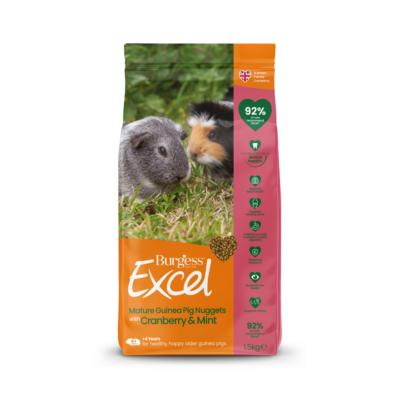
Excel Mature Guinea Pig Nuggets
from £10.00 — or subscribe to save 15%
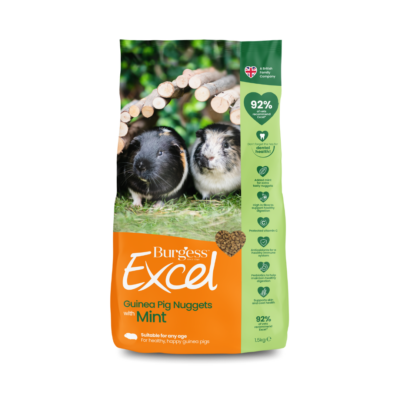
Excel Guinea Pig Nuggets with Mint
from Price range: £8.99 through £34.99 — or subscribe to save 15%
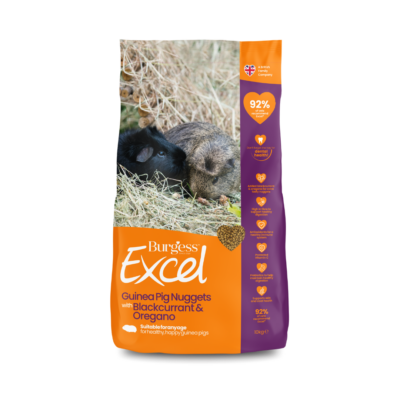
Excel Guinea Pig Nuggets with Blackcurrant & Oregano
from Price range: £8.99 through £34.99 — or subscribe to save 15%
Blog categories

Dogs

Cats

Rabbits

Guinea pigs