

How often should you clip dog nails? Do cats need their claws clipping? Should you clip a rabbit’s nails? How do you clip guinea pig nails? Need some answers? Don’t panic – we have your pet manicure queries nailed!

Expert approved
Dr Suzanne Moyes MVB, MRCVS
25th September 2026
Many of us enjoy a pamper at the nail salon – having neat, manicured nails is a guaranteed mood booster! But what about our pets? Whether you have a dog, cat, rabbits or guinea pigs, taking care of their nails is an essential, yet often overlooked, part of pet care.
“All pets need us to pay close attention to their nails. If they get too long, they can split, break, or overgrow into their foot pads, which is not only extremely painful, but can also lead to infection,” advises Burgess in-house vet, Dr Suzanne Moyes. “Regular, at home nail trimming is a good option, but it’s best to get your local veterinary nurse to show you how to do it first. It’s also worth investing in good quality animal nail clippers that are suitable for whatever pets you have.”
How often should you trim your pet’s nails?
“For active pets that spend a lot of time outdoors, surfaces like pavement can help wear down their nails,” advises Wiltshire-based Elston Vets. “However, if your pet is mostly indoors, elderly, or less mobile, you will need to trim their nails every few weeks to keep them at a healthy length.”
Need some pet nail know-how? Read on to explore our expert nail clipping tips for dogs, cats, rabbits and guinea pigs!
How to clip dog nails
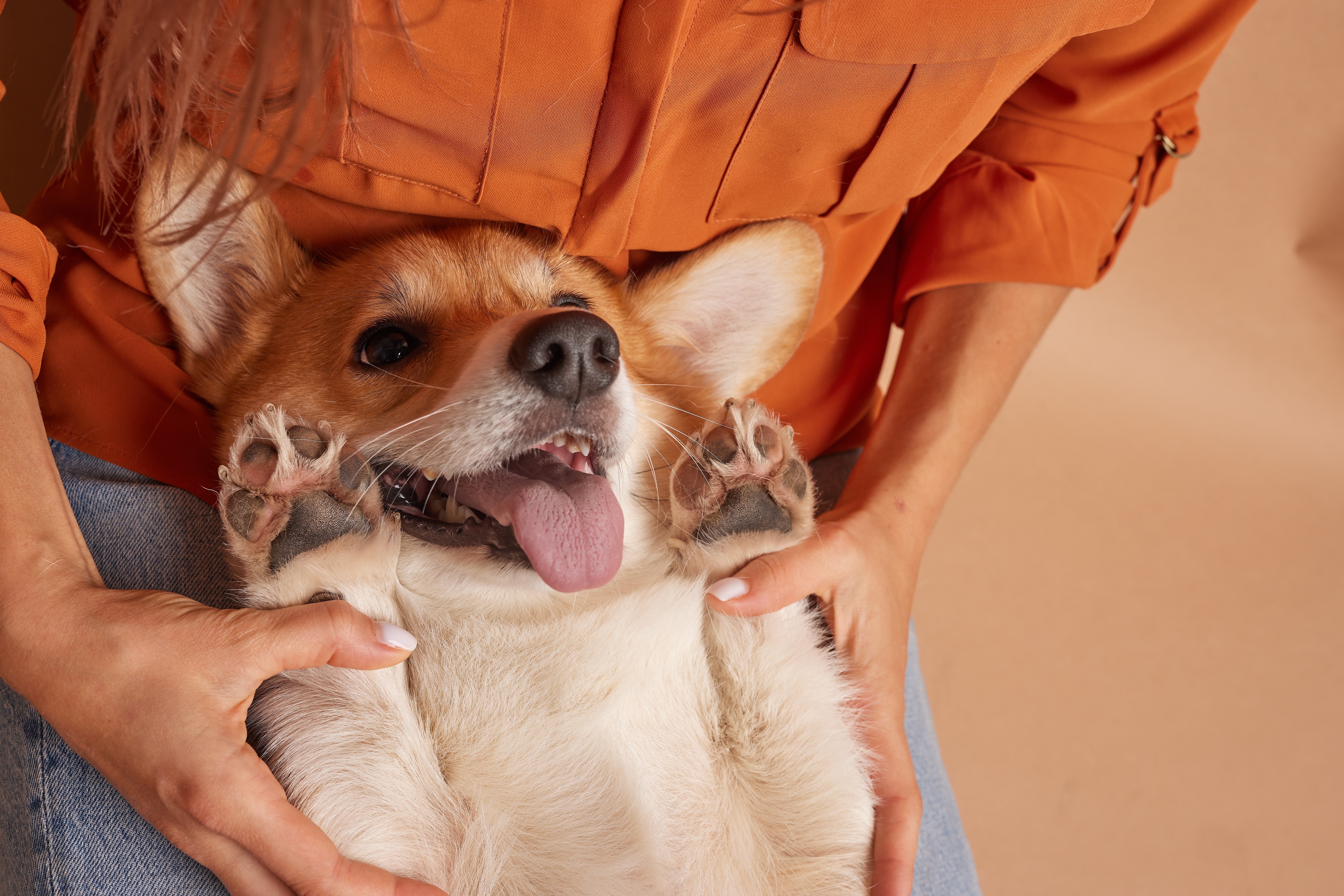
Dogs’ nails help protect their toes when digging and provide traction when running. Whether you need to trim your dog’s nails regularly as part of their grooming routine will depend on a variety of factors including their weight and their breed.
For example, a recent study by the Royal Veterinary College (RVC) found that breeds such as Chihuahuas and Beagles had higher needs for nail clipping than other breeds. What’s more, previous RVC research has shown that overgrown nails are the fourth most frequently diagnosed disorder in dogs under primary veterinary care in the UK – yet it’s a condition that can easily be avoided.
Another factor is the amount of exercise a dog does and where they do it – nails will be worn down with frequent walks on hard pavements but not via scampering about on soft grass.
“Adding some hard ground or pavement walking to your daily routine can be enough to keep your dog’s nails trim and mean you won’t need to clip them,” advises Dogs Trust. “But if your dog is small and light, they may not weigh enough for their nails to wear down naturally through exercise. Bear in mind that hearing your dog’s nails on the floor does not necessarily mean that they are too long. Ask your vet whether your dog needs their nails clipped regularly.”
If your canine chum’s nails need a trim, try out Dogs Trust’s expert tips
- Teach your dog not to be worried about having their paws handled. You can do this gradually, over a couple of weeks or longer if necessary. Always pair this with a tasty treat so they learn to think of having their feet handled as a good thing.
- Use a non-slip surface to help your dog feel safe and secure. Carpets can be comfy, or you could use a towel or yoga or bath mat. A licky-mat can be a handy distraction!
- Let your dog investigate the clippers. Put them on the floor and scatter some treats around them. This will help your dog to build a positive association with the sight of the nail clippers.
- Start to squeeze the clippers, so that your dog can hear the noise they make, while touching their nails. Give them treats and praise. Repeat this stage several times. Replicate the sound that the clippers will make when cutting nails by using them on dried pasta. The ‘snap’ noise can help your dog to become accustomed to the clipper sound.
- Use the clipper to trim the very tip of one of your dog’s nails. Reward your dog with treats right away and praise them. Only trim one nail initially to get them used to the sensation. Then gradually build up to trimming more nails at a time.
- Never clip near to the quick (which is the blood supply to the nail) as you could accidentally cause bleeding. Always allow a little bit of space below the point where the quick appears to stop.
- Be extra careful with dark nails as you won’t be able to see the quick at all. Only snip off the very sharp point of their nail to ensure you avoid the quick.
- Don’t forget to check the dew claws. These are usually found on the inside of the front legs where the ‘thumb’ would be. Due to their position, dew claws will not wear down with exercise and, while often slow growing, can curl around and grow into the skin or break and feel painful. Dew claws often catch when dogs are playing, so keeping them short is recommended.
CARE MORE Find lots of useful advice on caring for your dog from Burgess, the pet experts >>
Claw clipping tips for cats
A cat’s claws grow continuously, but most don’t need them trimmed because they naturally maintain them at the purrfect length through their various scratching activities.
“Routine trimming of a cat’s claws isn’t advisable as they need healthy, sharp claws for climbing, hunting, playing, and defence,” advises feline welfare charity International Cat Care. “However, as cats get older and less mobile, they may be physically unable to scratch as easily due to painful arthritic joints. Claws can then overgrow and become caught in soft furnishings or even grow into their pads, which can be very painful and lead to infection if not resolved quickly.”
The charity recommends contacting your vet if you’re concerned about the length of your cat’s claws – for example, if they’re making a tapping sound when walking on hard surfaces or are visible when your cat is resting. “They will be able to trim your cat’s claws if necessary and show you how to safely do this at home, should you want to, without causing your cat undue stress.”
Here are International Cat Care’s top tips for trimming your feline friend’s claws
- Choose a time when your cat is relaxed and ensure you have good light before starting.
- Position your cat facing away from you – an ideal time is while your cat is on your lap. Alternatively, gently wrap your cat in a towel with one leg free.
- Take your cat’s paw and gently press the top of each toe to extend the claw outward.
- Using claw clippers, snip off just the transparent tip, avoiding the blood vessel (quick) visible down the centre of the claw.
- If your cat becomes anxious, stop and try again another time.
- Ensure claw trimming always ends on a positive note – for example, playing with your cat or giving them a tasty treat as a reward for allowing you to trim their claws!
CARE MORE Find lots of useful advice on caring for your cat from Burgess, the pet experts >>
Nail clipping tips for rabbits
Because they’re designed for excavating burrows, rabbit nails are very tough. And, while wild rabbits’ nails stay short from all the digging that they do, pet rabbits don’t have the same opportunities to wear their nails down, which is why they need regular trims as part of their bunny grooming routine.
“If a rabbit’s nails get long, it changes the angle at which it puts its feet down. This may not sound like a big concern but it is very important as it can add extra wear on the joints because they are moving in an unnatural way,” advises Rabbit Welfare. “Long nails can get snagged easily and can be torn, sometimes right out of the nail bed. This is of course extremely painful, and there can be a surprising amount of bleeding. It can also result in dislocation or breaking of the toes.”
Check out Rabbit Welfare’s top tips for clipping your buns’ nails
- You can either hold your rabbit with their backside supported as if they are sitting up to cut the nails or place them on a towel on a worktop. Very gently pull the foot to the side to get to the nails.
- If you have a rabbit with light nails, it’s quite easy to see the quick (which you want to avoid cutting), but if the nails are dark, it’s far more difficult. Shine a torch from behind the nail – the light coming through will show you where the quick ends, and therefore where it’s safe to cut.
- Another method is the squeeze, squeeze, cut. Where you think it’s safe, give the nail a gentle squeeze with your clippers. If your rabbit reacts then you are too near the quick. If there’s no reaction, squeeze a bit harder. Still no reaction, give it one final quite hard squeeze just to be sure and then, if all is well, it’s safe to cut. Repeat this with each nail. Don’t forget to reward them with some tasty rabbit treats!
CARE MORE Find lots of useful advice on caring for your rabbits from Burgess, the pet experts >>
Nail clipping tips for guinea pigs
Guinea pig nails grow continuously and, if not trimmed every few weeks, can quickly become overgrown, causing discomfort and affecting mobility, which is very distressing for these small furries.
If you have guinea pigs with light nails, you can see the quick (blood supply) clearly, but if your piggies have dark nails, try the shining a torch through them trick to help you see and avoid the quick. Always err on the side of caution and don’t take off too much of each nail. Trimming regularly as part of their piggy grooming routine will help avoid nails (and quicks) getting too long and make it easier to keep those little claws the correct length.
Have a go at these helpful guinea pig nail trimming tips from HayPigs
- Ensure your guinea pigs feels safe and secure. Sit down and have the piggy on your lap (place a towel over your knees), held securely and close to your body. If you have someone to help you, even better – one person to hold and one person to clip!
- If you have a piggy that’s a bit of a diva (we do!) and/or is not a fan of a trip to the nail salon, try wrapping them securely (but not too tight!) in a towel to minimise any wriggling, leaving the appropriate paw free for clipping.
- To avoid too much stress, remember, most guinea pigs are happiest when munching on something tasty. Get their favourite food and give it to them before/during/after nail trimming to distract them and then make them feel good afterwards!
CARE MORE Find lots of useful advice on caring for your guinea pigs from Burgess, the pet experts >>
LOVE PETS? TRUST BURGESS – WE’RE EXPERTS IN OUR FIELD!
Burgess Pet Care is one of the UK's leading pet food manufacturers for the country’s most popular pets – dogs, cats, rabbits, guinea pigs, chinchillas and degus, hamsters, gerbils and mice, rats and ferrets.
All our high-quality recipes have been formulated by vets and nutritionists. This ensures they contain the right balance of vitamins and minerals to supplement your pet’s diet to help keep them happy and healthy. With a long tradition of supporting British farmers, we actively source all our ingredients as close to our mill as possible.
Is your dog a Burgess dog? Your cat a Burgess cat? Your small pets Burgess small pets? Join the Burgess Pet Club for exclusive offers, competitions and expert advice from our in-house vet, Dr Suzanne Moyes.
CARE MORE Find lots of useful advice on caring for your pets from Burgess, the pet experts. Training, nutrition, grooming and general care, it's all here >>


Blog categories

Dogs

Cats

Rabbits

Guinea pigs