

Are Beagles good family dogs? Do Beagles get on with other pets? How much exercise do Beagles need? Are Beagles hard to train? Do Beagles need much grooming? Do Beagles bark a lot? Can these determined little scent hounds ever be trusted off lead? We have all the answers to your Beagle questions!

Expert approved
Dr Suzanne Moyes MVB, MRCVS
6th August 2026
These characterful, compact hounds, with their straight up, white-tipped tails, large floppy ears and eager expression will go wherever their nose tells them to – even if it leads them straight into mischief!
“Beagles are inquisitive, energetic dogs who love to discover new things,” says insurer Petplan. “However, their curious streak, strong sense of smell and hunting instinct can make them easily distracted. Owning a Beagle is great fun, as they are sociable and mischievous.”
“They get very easily distracted by interesting scents and can quickly lose focus and wander off to follow their nose,” adds Sue Ketland, Dog Behaviour and Training Specialist at rehoming charity Woodgreen. “When something grabs their attention, nothing else matters until they get to the source of that smell. Some may think they’re just being stubborn, but it’s just a Beagle being a Beagle!”
What’s the best food for a Beagle puppy? >>
Where do Beagles come from?
An ancient, medium-sized breed, Beagles were established in England by the 15th century to hunt small game. Queen Elizabeth I was said to carry a pack of miniature Beagles in a saddle pannier when she was on horseback.
“Originally, Beagles were much smaller than the ones we see today,” notes veterinary charity PDSA. “’Pocket Beagles’ are no longer a thing but predate the Beagles we know and love.”
“The breed has long been valued for its stamina, musical voice and exceptional scenting ability,” reveals the Royal Kennel Club. “Historically developed to work in packs, the Beagle is sociable and generally good-tempered, thriving on companionship. Combining centuries of working heritage with an adaptable and engaging temperament, the Beagle remains one of the best-known and best-loved hound breeds.”
What’s the best food for Beagles? >>
As well as being a faithful shadow to their human family, Beagles adore being around other canines.
“Beagles were bred to live and work as part of a pack – they love to be with their own kind, so allowing them to socialise with other dogs will provide a great deal of mental stimulation,” says Sue Ketland. “Beagles thrive in families where they have multiple people to love and care for them. Above anything, they need time and patience and in return will become a true part of the family.”
Understanding what makes your Beagle tick will help you give them everything they need to love life! Read on to discover more about:
- BEAGLE PERSONALITY PROFILE
- IS MY HOME SUITABLE FOR A BEAGLE?
- HOW MUCH EXERCISE DOES A BEAGLE NEED?
- WHAT SHOULD I FEED A BEAGLE?
- HOW MUCH GROOMING DOES A BEAGLE NEED?
- WHAT’S THE BEST WAY TO TRAIN A BEAGLE?
- GETTING A BEAGLE
BEAGLE PERSONALITY PROFILE
Loyal to a fault, if you want an energetic, inquisitive and loving dog to trot along by your side, then a Beagle could be your canine of choice.
“They’re extremely affectionate and often prefer to sit on you rather than next to you!” says Sue Ketland. “This affectionate side of their personality isn’t always obvious to those outside of the family. On walks or in dog-friendly parks, they’re usually far too busy sniffing to say hello to strangers.”
“They love to follow a scent and can jump walls and dig under fences in pursuit of quarry – and can be very vocal when doing so,” notes Petplan.
Constantly curious and amazingly resourceful, having a Beagle in to your life will certainly keep you on your toes!
“A Beagle has many unique talents – they can open doors, climb to heights you would never believe possible and empty bins quicker than you can fill them!” adds Sue Ketland. “You need to have a good sense of humour to live with a Beagle.”
Crate training a Beagle puppy – make it their special place >>
These fun-loving canines are always up for a game – which can become an uproarious affair.
“Beagles love nothing more than a game of chase with another Beagle while howling in delight,” notes Sue Ketland. “As much as a joy this is to watch, it can be quite noisy. They love to be on the go and enjoy a game of fetch or tug-of-war – just don’t expect them to share or return the ball.”
While each breed has certain identifiable traits, it’s important to remember that every dog is unique.
Dogs Trust advises: “Just like you, every dog is an individual with their own personality and prior experiences. So, every Beagle temperament is different. As dogs grow from puppies, they learn all about the world. They develop their own likes and dislikes and learn to respond to situations in different ways. For example, some dogs might like meeting other dogs, and some may not. Some might like new experiences, and others may need to go slowly.”
Want just YOUR dog to come when you call them? Choose their name wisely! >>
IS MY HOME SUITABLE FOR A BEAGLE?
To create a perfect canine/human partnership, it’s vital to think about what kind of energy and temperament you’d like your four-pawed friend to have so you’re a good match for each other – and that you can provide a suitable environment. Beagles have a quick mind, endless energy and incredible scenting abilities. This means they can sniff out food left on the side and use their problem-solving prowess to work out how to steal it!
“Beagles enjoy nothing more than being involved in whatever is going on in the house,” says PDSA. “They're very adaptable and as long as they get enough exercise are happy with city or country living. Due to their size and adaptability, Beagles are really popular pets for families and first-time owners. They suit reasonably active homes where there is always someone around.”
“Generally, they’re even-tempered and tolerant of most family scenarios – busy environments or excessive noise doesn’t seem to faze them,” adds Sue Ketland. “Something to note down is their love of toys, Beagles adore them, it doesn’t matter if it belongs to them, or one of the kids.”
Beagles and barking
Be aware that Beagles are not a quiet breed – they really love the sound of their own bark.
“A Beagle's voice is very distinctive. In fact, the word ‘Beagle’ is thought to come from a French word that means ‘gaped throat’ (often taken to mean ‘loudmouth’!) – they certainly live up to this by barking at any given opportunity,” says Sue Ketland. “This shouldn’t be a problem so long as all their other needs are met.”
“Naturally, Beagles have a strong impulse to bark and can be very noisy,” adds Petplan. “Good training and age-appropriate play will keep this in check, but this can’t be trained out completely.”
Beagles need company and don’t like being left home alone
Because of their heritage as a working pack dog, Beagles like companionship and will find it hard to cope if they’re left on their own, leading to problems.
“They are strongly bonded to their family members which means they’re likely to struggle with being alone,” advises Sue Ketland. “A bored, frustrated Beagle will bark constantly, cause destruction in the home, dig up your garden and try to escape.”
“Try to avoid leaving them alone and if you have to make sure there is plenty to keep them occupied,” adds PDSA. “If leaving them is unavoidable, we would never recommend leaving your dog alone for more than four hours, but even this may be too long for your Beagle.”
Beagles can be great companions for children
Sociable and friendly, Beagles are ideal for families. “They have a very gentle and even temperament which makes them a great choice for families with children,” says Sue Ketland.
“While Beagles are great family pets, you should always supervise your Beagle with children in case playtime gets too boisterous,” adds PDSA. “Likewise, sometimes children can be too much for your Beagle, so you need to make sure they have a space to go for time out where they won’t be disturbed.”
A Beagle may not be the best choice if you have small furries
As scent hounds, traditionally working in a pack, Beagles generally get along well with other dogs and, if introduced carefully, can make friends with cats. However, Beagles and small furries are not a good mix.
“As long as your Beagle is well socialised, they will be fine around other dogs,” advises PDSA. “If your Beagle has been socialised with other pets from an early age, they will be fine with other pets in the home, although we don’t advise leaving them alone with smaller pets.”
“Beagles have a strong prey drive and may be prone to chase cats, which could cause them distress. Proper introductions from a young age will help ensure your Beagle and cat get along,” adds Petplan. “But their hunting instinct means care should be taken if you have smaller pets.”
Can cats and dogs be friends? >>
Meeting your Beagle’s needs will make for a contented dog
Beagles need their human to understand what makes them happy – which means providing them with lots of things that keep their mind – and nose – busy.
“Simply being with your Beagle is not enough, when they’re a puppy, they need stimulation and lots of interaction to keep them out of trouble,” says Sue Ketland. “Scent games are essential for this breed – they must use their noses to fulfil their desires.”
Which breed of dog is the right fit for you and the place that you live? >>
HOW MUCH EXERCISE DOES A BEAGLE NEED?
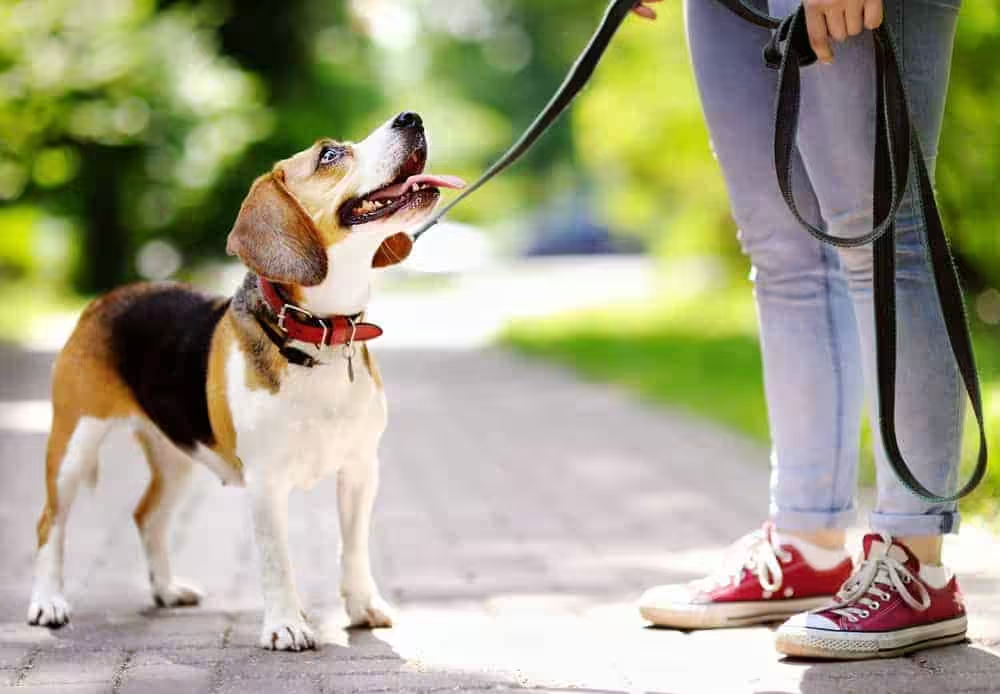
Beagles need brisk daily walks with lots of sniffing stops, which could suddenly take you off in the opposite direction at top speed, so it’s best to have your running shoes on!
“Your Beagle will need at least an hour and a half of exercise a day,” advises PDSA. “We’d recommend a combination of walking and running for this. When you’re out and about with your Beagle, it’s best to keep them on the lead unless you are somewhere secure where they can run off lead. Beagles sometimes suffer from selective hearing, and you may find their recall isn’t so good if they catch the scent of something more interesting!”
“Exercise is important, they have lots of stamina and can cover long distances, but that doesn’t mean you need to walk for hours at a time,” notes Sue Ketland. “Giving them lots of opportunities to use their nose will wear them out and keep them out of trouble in the home. Owners should be prepared to do lots of walking, jogging or even running with their Beagle, if they see something they want, they’re off! The use of a harness and long line will help to give them more freedom. Even better, if you have access to a secure field, your Beagle will enjoy free running.”
“Whether you live in a city or the countryside, your Beagle will still need plenty of exercise to keep them happy and healthy,” adds PDSA. “In addition, they’ll also need playtime, training and free time in a secure garden. Beagles are good escape artists and love to climb and dig, so make sure your garden is Beagle-proof!”
How much exercise do different dog breeds need? >>
WHAT SHOULD I FEED A BEAGLE?
Experts agree that choosing high-quality, complete food and monitoring food portions is the best way to keep your Beagle happy, healthy and in great shape – which can be a bit of a challenge with this breed as they love their food.
“One thing’s for certain, they’re notorious lovers of food, and not afraid to attempt to steal whatever they can get their paws on,” says Sue Ketland. “Beagles can be prone to putting on weight, so keep an eye on portion sizes,” notes Petplan. “You’ll need to feed them a complete, balanced dog food to keep them slim and healthy,” adds PDSA. “Your vet will be able to tell you how much your dog should be eating.”
Burgess in-house vet, Dr Suzanne Moyes MVB MRCVS, who oversees recipe development, advises: “When choosing food for Beagles, bear in mind that the optimum diet for your dog should supply the correct number of calories and balance of nutrients for their life stage and lifestyle. This means calculating the nutrient content and dietary components such as protein, fat, carbohydrate, vitamins and minerals required. All Burgess Dog Food is a complete food. This means, whatever variety you choose for your Beagle, it will contain all the nutrients they need in the correct balance.”
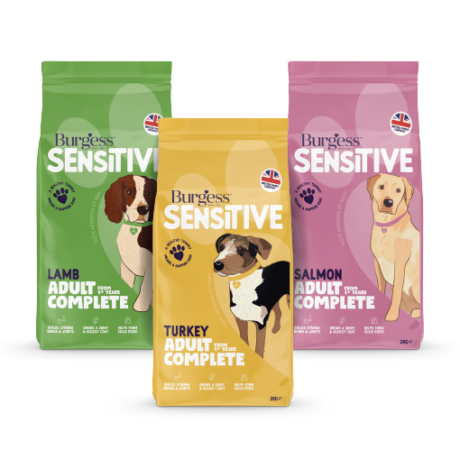
Lamb? Turkey? Salmon? Your dog can try them all with our Burgess Sensitive Bundle >>
Choose a diet tailored to your dog’s life stage
Your Beagle will also benefit from feeding a variety of food that’s designed to meet their nutritional requirements throughout their life.
Puppies need extra energy and other nutrients to support rapid growth. For adult dogs, providing a nutritionally balanced, complete diet will help keep them in tip-top condition during the prime of their life. Some dogs, who are prone to weight gain, may benefit from a light, complete food. Many older dogs, including Beagles, develop specific conditions, such as arthritis – some of which can be eased by feeding a diet designed just for them.
Beagle feeding tips
- Split your Beagle’s daily allowance into two meals and try to feed your dog at the same time every day, as canines like routine.
- Measure out precise portion sizes. Recommended feeding amounts can be found on dog food packaging, but always ask your vet if you’re not sure.
- Giving your dog a little more than they need means they could become overweight. If you don’t feed enough, your dog will not get all the nutrients they need and will become underweight.
- Remember to leave a gap after eating and before exercising.
- If you give your dog the occasional treat or use treats for training, remember to take this into account and reduce their daily allowance. Treats shouldn’t make up more than 10% of their daily calorie intake, as this can unbalance their diet.
“Due to their love of food, Beagles are at risk of developing weight-related health issues. Helping your Beagle lead a healthy, fulfilled life, with quality food, exercise and regular health checks will ensure you both have many happy years together,” advises Sue Ketland.
Human food that you should never give to dogs >>
HOW MUCH GROOMING DOES A BEAGLE NEED?
Grooming your Beagle is mainly a breeze but be prepared for regular bathtimes as these outdoor loving hounds often get grubby.
Beagles sport a smart, short double coat with a mix of white, black and light brown colours and are classed as moderate shedders.
“Beagle grooming is low maintenance, as their fur is short and waterproof, providing protection from the elements,” notes Petplan. “Whilst a Beagle’s coat is easy to clean and care for, they should still be groomed at least once a week.”
“A good brush once a week should keep their coats healthy,” says Sue Ketland. “The odd bath won’t go amiss either – Beagles aren’t afraid of getting wet and muddy. Regular grooming will allow you to check your dog over for lumps, bumps, cuts, or scratches as well as fleas and ticks.”
Those gorgeous floppy ears also need regular attention: “Remember to keep an eye on your Beagle’s ears to make sure they are clean and dry to help prevent any ear infections,” advises PDSA.
“It’s also important to brush your Beagle’s teeth regularly to reduce the build-up of tartar, and prevent gum disease and bad breath,” adds Petplan.
WHAT’S THE BEST WAY TO TRAIN A BEAGLE?
When it comes to training any dog, it’s all about creating a positive learning experience, so they’re keen to learn and grow in confidence. And, when it comes to Beagles, you’ll have an extremely clever canine pupil with a notorious stubborn streak.
“Beagles are intelligent, there is no denying it. They’re fabulous problem solvers and if you think leaving a cookie out of their reach will stop them getting to it, think again. Just because they’re intelligent, doesn’t mean it's easy to train a Beagle, they’re strong-willed – so be prepared for a challenge,” advises Sue Ketland. “They are obsessed with food, so it’s extremely easy to motivate them with tasty tidbits.”
“Beagles can be mischievous characters so it’s important to start positive, reward-based training as soon as possible to prevent them picking up bad habits,” adds PDSA. “They are very intelligent dogs and are known to be wilful so you will need a firm but fair attitude when training. If you aren’t an experienced trainer, or are a first-time dog owner, then you should ask for the help of an accredited trainer.”
“All puppies need to learn how to be around people, pets, and other dogs, in a calm and polite way (known as socialisation). They also need help to feel calm, comfortable, and confident in everyday situations like travelling, the sound of traffic, and being in busy places (known as habituation),” says Sue Ketland. “This is essential to prevent tricky behavioural problems in the future, and you'll be off to a great start with your ongoing training.”
“It’s all about positive learning,” says Dogs Trust. “So, find out what your dog loves so you can use this to reward them after a success. Whether it’s treats, toys or lots of praise, training with rewards is the best way for your dog to learn. Learning useful life skills such as recall, loose lead walking, and settling are just as important. This ensures that you and your dog can spend an enjoyable time together, both at home and out and about.”
For expert advice and practical training guidance, visit Dogs Trust Dog School >>
GETTING A BEAGLE
Always look for a reputable breeder whose priority is the dog’s health and wellbeing rather than making a profit. ‘Lucy’s Law’ dictates that new puppies or kittens must be bought directly from a breeder or adopted from a rescue organisation. Third-party sellers are illegal.
“Responsible breeders should get litters and parents checked for health conditions the breed is vulnerable to. For a Beagle, this includes hip dysplasia, epilepsy and eye conditions. This breed can also suffer from luxating patellas (a condition where the kneecap dislocates from its normal position),” advises Sue Ketland.
“Do plenty of research before you think about getting a Beagle,” adds PDSA. “Make sure you have the time to give them training and socialising. No matter where you live, don’t forget that your Beagle will need lots of exercise to keep them happy and healthy.”
Dogs Trust adds: “Whatever the breed, all dogs need basic preventative health care like vaccinations and flea and worming treatments. You’ll also need insurance to help cover the cost of vet bills.”
The comprehensive puppy checklist >>
Alternatively, there are a number of rescue organisations around the country, including Dogs Trust, Woodgreen and Battersea, who would love to hear from you. Staff will seek to match you with the right dog for your home and lifestyle and provide you with support and useful information. Also check out Beagle Welfare.
By choosing a rescue Beagle, you’ll be giving one of these loyal, affectionate, life-enhancing dogs a second chance at a happy and fulfilling life.
The best breed of dog is rescue >>
NEED MORE ADVICE?
If you’re at all unsure about the best way of feeding your dog or have any concerns about specific nutritional requirements, ask your local veterinary practice for advice. You can also call our expert team, available 9am-5pm, Monday to Friday, on +44 (0)1405 862241 who’ll be happy to help. Alternatively, use our online contact form to get in touch.
CARE MORE Find lots of useful advice on caring for your dog from Burgess, the pet experts >>
Is your dog a Burgess dog? Join the Burgess Pet Club for exclusive offers, competitions and expert advice from our in-house vet, Dr Suzanne Moyes.
SOMETHING TASTY FOR EVERY DOG – PREMIUM DOG FOOD WITHOUT THE PREMIUM PRICE!
Every dog deserves a first-class dinner from puppy to adult and senior. Burgess Pet Care is a British, family-owned company, and all our dog foods are made using only ingredients that meet our stringent specifications. We’ve also developed foods to meet the specific nutritional needs of sporting and working dogs, Greyhounds and Lurchers and dogs with sensitivities.
GOOD TO KNOW
- COMPLETE NUTRITION Each of the recipes in the Burgess Dog Food range are complete, providing all the nutrients dogs require in the right proportions.
- PORTION CONTROL With dry food, it’s easy to measure out the right-sized portion to help your dog maintain a healthy weight.
- HEALTHY AND SAFE The thorough cooking process ensures that any harmful bacteria, such as salmonella, and viruses are destroyed, and the dry food stays fresh inside the pack.
- TEETH FRIENDLY Dry dog food has the added benefit of exercising your dog’s chewing muscles and provides a mild cleaning effect on the teeth.
- MADE IN BRITAIN Crafted at Burgess Pet Care’s own factory in the heart of Yorkshire, Burgess Dog Food contains high-quality ingredients that meet stringent specifications, locally sourced wherever possible to support British farmers.
With a whole host of *5 STAR REVIEWS*, our customers have told us:
* “An excellent dog food, definitely a market-leading brand. My dog thrives on it, no upset stomach ever.” * “Our dogs just love it, and it keeps them happy.” * “Good value, wholesome food.” * “Edward (dog) is in raptures over this, he just can't get enough of it.” * “Our Ruby loves this food. In fact, she tries to open the food bin to steal it. That’s proof enough.” * “My dogs love it, it satisfies them, so it makes them happy and contented which makes me happy as they are thriving on it.” * “A leader amongst dog foods.” *
Blog categories

Dogs

Cats

Rabbits

Guinea pigs