
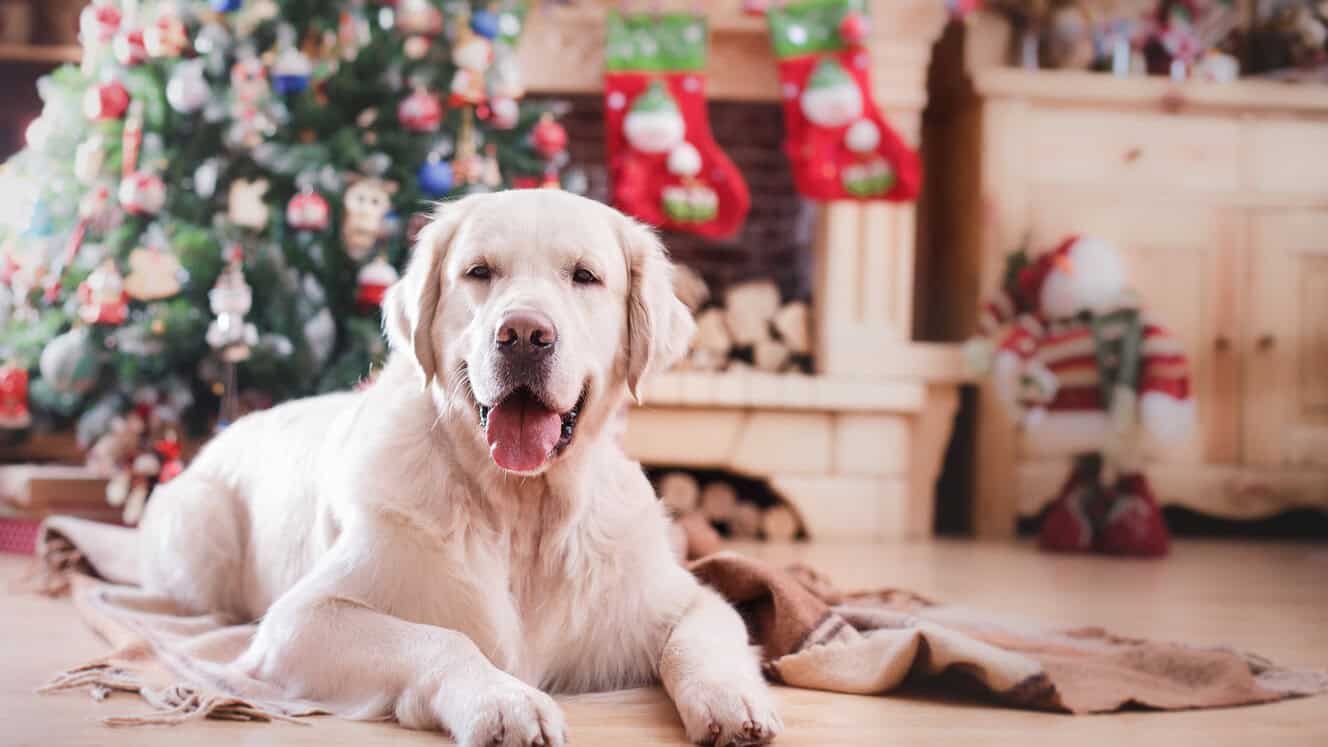
It’s the most wonderful time of the year, however, if you have pets, Christmas with all the trimmings can bring a whole host of unexpected hazards. Dial down seasonal pet stress by following our 9 top festive tips…

Expert approved
Dr Suzanne Moyes MVB, MRCVS
11th December 2025
Everybody dreams of a perfect Christmas, where the day runs as smoothly as brandy butter, everyone gets along, and there are no dramas.
The reality, of course, involves piles of presents to wrap, fiddly decorations to hang, a festive feast to prepare, visitors to attend to and ridiculously excited children to wrangle. No wonder Christmas can be a strange, unsettling time for our pets!
But in the midst of all the festivities, Christmas is a time when pets need their human to keep a really close eye on them, or they could get themselves into a whole mess of trouble...
A mistletoe minefield
From toxic foods and dangerous decorations to poisonous plants, unfamiliar people and disrupted routines – for our much-loved pets, Christmas can be a bit of a mistletoe minefield.
“It’s that time of year again when vets are stocking up their medication cupboards to deal with all sorts of festive hazards,” reveals Matt Jackson-Smith, who stars in Channel 5’s show The Yorkshire Vet.
“I’ve lost count of how often I have had to make dogs sick after they’ve eaten chocolate by the bucketload or remove tinsel which has gotten lodged where it shouldn’t! While the odd mince pie or square of chocolate from an advent calendar may not seem like a serious risk, as vets sadly know, the consequences could be devastating.”
From chocolate poisoning to chomping on Christmas baubles
Research from the BVA Voice of the Veterinary Profession showed that four in five companion animal vets saw at least one case of toxic ingestion over the 2021/2022 festive period, with cases varying from dogs with chocolate poisoning to cats who have eaten seasonal plants or ornaments.
If you want to avoid animal accidents and an emergency trip to the vet, check out our Christmas with pets top tips!
1. FESTIVE FOOD – THE DOs AND DON’Ts OF CHRISTMAS DINNER
While Christmas food is indulgent and delicious, being tempted to give pets a share of the feast is a very bad idea.
“Many festive foods are toxic to pets, so it’s important to keep them away from your animals and to let your guests know the dangers too,” advises Matt Jackson-Smith.
The Christmas food blacklist for pets includes:
- Chocolate (which contains the toxic component theobromine), grapes, raisins, and currants, such as those found in Christmas puddings, fruitcakes or mince pies, and onions, garlic and leeks, which can be found in gravy and stuffing, are all really toxic to dogs and cats.
- Fatty, rich foods can trigger sickness and diarrhoea or other conditions such as gastroenteritis and pancreatitis.
- Nuts and their shells can be a choking hazard and can cause intestinal problems. Macadamia nuts are an additional risk to dogs as they can cause lethargy (tiredness), weakness in the back legs, increased body temperature, tremors and stiffness.
- Bones from meat, poultry or fish present a dangerous threat to pets. Cooked bones are brittle and can splinter when chewed, leading to the digestive tract being pierced or causing an obstruction. Always ensure curious pets don’t sniff out leftovers and tear open bin bags or scavenge from bins.
- Sugar substitute sweetener xylitol, which is often found in cakes, biscuits, mints, jam and peanut butter, can be life-threatening to dogs.
- Alcohol is extremely harmful to pets’ liver and nervous systems.
Find out more about the dangerous foods you should keep away from your pets at Christmas >>
If you just can’t resist those pleading eyes and are tempted to give your pets a little Christmas dinner of their own, opt for a little lean meat and a few boiled vegetables – and don’t offer them anything covered in fat, salt or gravy.
Animal wellbeing charity Blue Cross has this advice: “Providing your dog is healthy and is not allergic to the following foods, it’s safe to feed your dog a little bit of these at Christmas: turkey meat (no skin or bones), salmon (fillets or cooked in spring water are preferable to smoked salmon), lamb meat (no bones), green beans, Brussels sprouts, parsnips, carrot, peas, swede, mash potato (best without added butter), new potatoes, sweet potatoes.”
“Try to stick to your dog’s/cat's regular diet as much as possible – even on Christmas Day – as any sudden change in diet can lead to a stomach upset,” adds veterinary charity PDSA. “If you want to treat them when you sit down for your Christmas dinner, you can always choose a healthy treat or a puzzle feeder to keep them occupied.”
Why not stock up on these Christmassy foods that your pets can enjoy safely:
- Sensitive Puppy Food with Turkey and Rice
- Sensitive Adult Dog Food with Turkey and Rice
- Sensitive Senior Dog Food with Turkey and Rice
- Mature Cat with Turkey and Cranberry
- Winter Berry Bakes for rabbits and guinea pigs
- Fruity Feasts for rabbits and guinea pigs
2. DISASTER-FREE WAYS TO DECK THE HALLS
Turning our homes into a glittering, winter wonderland is one of the joys of the season. However, anything that sparkles, dangles, or flasheswill be a magnet for many pets, especially puppies and kittens, so place decorations well out of reach of inquisitive noses, mouths and paws.
- While hanging decorations and wrapping presents, don’t leave tinsel, tape, bows and ribbons lying around. These interesting ‘toys’ will attract playful pets and, if swallowed, can become entangled in intestines, causing life-threatening blockages, which may require emergency surgery.
- Glass or plastic baubles and sharp-edged decorations can cause injuries if broken or chewed, causing lacerations in the mouth or intestinal blockages, so place them well away from patting paws and wagging tails.
- Avoid edible decorations such as chocolate tree ornaments that pets can sniff out and munch on.
- Hang fairy lights well out of reach. Not only could your pets get tangled up in them, but if they bite through the wire, it could result in an electric shock. This is super important if you have house bunnies, as, in the wild, rabbits chew through roots, and they will treat wires in the same way. Don’t be tempted to decorate small pets’ cages with tinsel or strings of sparkling lights – as well as being a danger to curious nibblers, they’re likely to find flashing bulbs very distressing.
- Keep Blu Tack safely out of reach while you’re putting up cards and trimmings – if eaten, it may cause drooling, vomiting and diarrhoea.
- Go steady with spray snow – if your dog, cat or rabbit decides it’s something to be scratched at or licked off, they’ll ingest harmful chemicals.
- Snow globes can look magical, but are best avoided, particularly if you have cats who may knock them off a shelf and cause them to break. Many snow globes contain ethylene glycol, atoxic substance, which is a component of antifreeze. It has a sweet smell that can attract cats, and it can be fatal if ingested.
- Candles should be kept away from curious noses, patting paws and swishing tails to prevent burns or fires.
3. CHRISTMAS TREES – PROCEED WITH CAUTION
- If you have a real Christmas tree, regularly vacuum up the pine needles, as these can puncture your pet's intestines if ingested and painfully prick paws.
- Nibbling or licking a real Christmas tree won’t do your pets any good either, as these trees produce oils that can be toxic, making animals very unwell.
- Don’t let your pets drink the tree water, which is likely to contain chemicals. Stagnant water is a breeding ground for harmful bacteria and could cause an upset stomach.
- Ensure trees are securely based so that they are less likely to be toppled by a curious pet.
- If you have a cat who likes to climb, make sure they’re never left unsupervised in the room containing the festive tree. Consider investing in a cat-safe ‘parasol’ type tree with branches that start halfway up.
- If your pets show too much interest in your new, sparkly, intriguing tree, the safest thing to do is block off access.
4. CHRISTMAS PRESENTS – FOLLOW THE PET SAFETY GUIDELINES
- The sudden appearance of mysterious packages will attract the attention of playful pets, particularly if they contain something edible. So, unless you want your Christmas presents shredded by Santa’s little helper, avoid leaving them under the tree. Keep them hidden away and out of reach.
- Once the present-opening frenzy is over on Christmas morning, collect up all the debris. Wrappings and bows can be dangerous if chewed or swallowed, and there may be other toxic items lurking – from packets of silica gel often included in the packaging of shoes, handbags and even dog treats, to small parts of children’s toys that can easily be swallowed.
- Lots of new toys and gadgets mean that there are likely to be more batteries in your home than usual. If chewed and swallowed, they can cause an obstruction, chemical burns and heavy metal poisoning. Small, coin-shaped disc batteries are a threat to dogs as they can damage the oesophagus.
5. DITCH THE DEADLY FESTIVE PLANTS
- Holly, ivy, mistletoe, poinsettia, amaryllis and lilies are all festive floral favourites – but they’re also highly toxic to pets and can be fatal if eaten. In particular, lilies are extremely dangerous for cats, even in tiny amounts. Best avoided, or ensure they are positioned well away from inquisitive noses.
- For an alternative, pet-safe greenery display, why not try small pots of sweet-smelling herbs such as rosemary, basil, thyme, coriander, chamomile or lemon balm, which can look just as festive.
6. VISITORS, CHILDREN AND PETS – SET SOME BOUNDARIES
- If children are coming who aren't used to being around pets, have a chat with the family beforehand to make sure the children understand how to behave around animals. Dogs Trust advises: “Encourage children to be calm and not approach the dog when the dog is eating or sleeping. And remember, never leave a child alone with a dog.”
- Introduce new people carefully – if you have guests coming over, let your pets meet people at their own pace.
- With all the comings and goings, keep a close eye to ensure that doors are not left open, enabling pets to slip out unnoticed.
7. FESTIVE OUTFITS ARE FOR HUMANS ONLY
- While humans may enjoy getting togged up in matching onesies on Christmas morning, our pets generally prefer to stay out of any dressing-up fun. While your dog might not mind sporting a jaunty festive cravat, it’s best to leave it at that and not dress your pets up in daft outfits.
- “It’s tempting to involve your cat in the festivities by buying a fun outfit or fancy-dress costume – there are numerous images on the internet of cute cats dressed up in Santa suits or as elves,” says Cats Protection. “While it might be fun for an owner, it can make your cat feel very stressed. Costumes like this can restrict your cat’s movement, making them less able to express their normal cat behaviour, such as grooming or stretching. On top of this, the risk of an outfit being caught or snagged can result in injury to your cat.”
8. REMEMBER THAT EVERYBODY NEEDS A QUIET, SAFE SPACE
Whether it’s slipping out to the shed for a bit or sneaking upstairs for a little lie-down, we humans can find ways to escape the Christmas chaos for a while – and our pets need this opportunity too.
- Unfamiliar people coming and going may unsettle your pets, so make sure they have access to a quiet room or familiar space with their bed, toys, and water where they can escape from over-the-top petting and overexcited children.
- Ask visitors to avoid going into this space so your pet doesn’t get startled or disturbed when they are resting.
- Cats and indoor bunnies and guinea pigs will appreciate some peaceful hidey-holes to retreat to.
- Most animals have incredibly sensitive hearing,so the best advice is to avoid crackers and party poppers – and be pet aware when popping the cork on the prosecco. Small animals are particularly sensitive to high-frequency sounds that we can't hear – so keep them away from televisions and loud music, and consider moving cages to quieter parts of the house if you’re having a party.
- Don’t forget to check on your outdoor pets, too. They also need to be warm, dry, fed and watered and have some fuss and attention on Christmas Day!
9. IT MAY BE CHRISTMAS, BUT PETS RELY ON A ROUTINE
- All the unusual activity of the festive season can stress pets out. One of the best ways to help them deal with Christmas chaos is to stick to their daily routine as much as possible – feeding times, walkies, playtime and sleeping schedules.
- Distraction can work well, too. A long-lasting chew or a puzzle toy filled with dry kibble will keep dogs and cats occupied amid the excitement.
- Small pets such as rabbits and guinea pigs will enjoy getting stuck into some mini haybales or hay bars while you’re tucking into your turkey dinner.
When it comes to ensuring our pets enjoy Christmas as much as we do, a little planning, time, care and attention will go a long, long way. Merry Christmas, everybody!
Need more festive pet advice? Download PDSA’s Christmas Survival Guide >>
LOVE PETS? TRUST BURGESS – WE’RE EXPERTS IN OUR FIELD!
Burgess Pet Care is one of the UK's leading pet food manufacturers for the country’s most popular pets – dogs, cats, rabbits, guinea pigs, chinchillas and degus, hamsters, gerbils and mice, rats and ferrets.
At Burgess Pet Care, all our high-quality recipes have been formulated by vets and nutritionists. This ensures they contain the right balance of vitamins and minerals to supplement your pet’s diet to help keep them happy and healthy. With a long tradition of supporting British farmers, we actively source all our ingredients as close to our mill as possible.
12 fascinating facts you may not know about Burgess Pet Care! >>
Is your dog a Burgess dog? Your cat a Burgess cat? Your small pets Burgess small pets? Join the Burgess Pet Club for exclusive offers, competitions and expert advice from our in-house vet, Dr Suzanne Moyes.
CARE MORE Find lots of useful advice on caring for your pets from Burgess, the pet experts. Training, nutrition, grooming and general care, it's all here >>
If you found this interesting, you may also like:
HOW TO HELP YOUR PETS ENJOY WINTER There’s lots you can do to boost the feelgood factor for your furry friends.
10 WAYS TO KEEP YOUR SMALL PETS SNUG AND WARM THIS WINTER Did you know that while rabbits cope with cold weather quite well, guinea pigs don’t like it at all and should be brought indoors and, in winter, ferrets can be prone to getting flu? To ensure your small pets keep cosy in the cold, we’ve got lots of practical ideas and must-read advice...
THINGS TO MAKE AND DO When it comes to enriching toys for your pets to brighten up the dreary days of winter, why not get crafty and do it yourself?
KEEP CALM AND CUDDLE YOUR PETS Find out how interacting with your pets can boost your mood.
WINNING WINTER! If winter makes you want to spend as much time as possible on the sofa in your onesie, watching seasonal movies, fuelled by hot chocolate and Hobnobs, then you’re not alone. However, focusing on caring for your pet friends means they’ll get all the support they need, and you’ll bolster your own warm and fuzzy feelings!
WET DAYS OUTDOORS AND MUDDY PAWS By investing in a few clever pieces of kit, both you and your canine chum can get through the wettest days of winter with ease.
ESSENTIAL CHECKS FOR YOUR SMALL PETS THIS WINTER From checking that outdoor accommodation is weatherproof and providing extra bedding, to scheduling suitable exercise time and regularly checking water supplies, our handy checklist outlines what to do to help your pets cope with chilly, wintry weather.
GAME PLAN From ‘treat-seeking missions’ to indoor circuits, getting creative with cardboard box activity centres and paper bag wraps, we’ve got lots of ideas to keep your four-legged friends entertained this winter.
WISE UP TO WINTER COLDS AND FLU During the winter, it’s not only us humans that can feel a little under the weather, thanks to the range of seasonal cold and flu viruses that do the rounds. Our pets can also be susceptible to a range of unpleasant illnesses and infections.
WINTER-WISE ADVICE FOR DOGS Want to take good care of your dog in winter? Here’s how to help your canine chum get through this cold, dark season safely...
CATS AND COLD WEATHER The chilly, dim days and long dark nights of winter can present quite a few dangers to our feline friends, so it’s important to help them stay safe, particularly if they’re an outdoor cat that likes to spend time outside in all weathers.
COME IN FROM THE COLD Practical ways from feline experts to help your cat cope with winter. From top tips for helping outdoor-loving cats cope with cold snaps and how to make indoor life especially cosy, to advice on how to make time inside much more fun for your feline friend.
HOW TO PLAY GAMES WITH CATS OF ALL AGES Like all baby animals, kittens love to play. As well as being lots of fun, play teaches young cats about the world around them, aids their physical development and hones their fabulous feline skills. As cats get older, play is a great way to keep fit, lean and healthy, and keep their brain alert and active.
GAMES TO PLAY WITH YOUR RABBITS We’ve some fun ideas to add interest and excitement to your buns’ day, which will help them stay physically and mentally fit.
MAKE EVERY DAY A PLAY DAY FOR YOUR PETS Not only is play important for young humans, but it’s also essential for young animals, too. As well as being lots of fun, play is how they learn and explore the world around them.
FINDING A VET FOR YOUR SMALL PETS Did you know that just like hospital specialists, vets have different areas of expertise? That’s why, if you have small pets, it can be a good idea to seek out a vet that specialises in small animal medicine.
KEEP CALM AND CALL THE VET If you have pets, it’s always best to be prepared. Regular checks will help you spot if something’s not right. Plus, would you know what to do in an emergency?
HOW TO TELL IF YOU HAVE A HAPPY PET Wheek-wheeking, bruxing, dooking, chirping, binkying, popcorning – there are all sorts of ways our pets tell us they’re feeling good, once you know what to look for...
Blog categories

Dogs

Cats

Rabbits

Guinea pigs