
Which is better for ferrets, raw meat or pellets? Can ferrets eat cat or dog food? Can ferrets be vegetarians? How much and how many times a day should you feed ferrets? What’s the best way to switch from one ferret food to another? What treats can you give ferrets? And what food should you not feed ferrets? We have all the answers to your ferret feeding queries!

Expert approved
Dr Suzanne Moyes MVB, MRCVS
6th November 2025
Every ferret deserves to live a happy, healthy life – and what you feed them plays a big part in helping them enjoy each and every one of their frolicking, fun-filled days.
A good place to start is by understanding the unique dietary requirements of ferrets, and the effect the food they eat has on their overall health.
In brief:
- Ferrets are obligate carnivores, which means they need to eat meat to survive and thrive – they cannot be vegetarians.
- However, ferrets cannot thrive on meat alone – feeding a meat-only diet without calcium can lead to a softening of the bones.
- Ferrets require a diet that’s high in protein and fat, and low in carbohydrate and fibre.
- Ferrets have high metabolic rates and very short digestive tracts, so they need to eat little and often.
- The average ferret will eat 5-7% of their body weight on a daily basis, which is around 50-75 grams of food for a ferret weighing 1 kg.
- A fuss-free solution to meeting the nutrition requirements of ferrets is tochoose a ferret food that contains a carefully balanced mix of all the protein, fats, vitamins and minerals they need in the form of a complete ferret nugget diet.
Read on to find out more about the ideal ferret diet, the benefits of feeding nutrition-packed ferret nuggets, the best ways to feed ferrets – and what foods you should never feed your ferrets.
But first, check out these fun ferret facts!
- Ferrets (Mustela putorius furo) belong to the family ‘Mustelidae’, which includes otters, stoats, weasels and badgers.
- Domesticated polecats have been human companions for centuries. Images of ferret-like animals have been discovered on the walls of Egyptian tombs, which suggests that these mischievous little carnivores have been our pals for thousands of years. It’s thought that ferrets were first introduced to Britain around 2,000 years ago by the Romans.
- Because they are domesticated, ferrets need to be cared for by humans and would not be able to survive in the wild.
- Ferrets are crepuscular, which means they’re naturally active at dawn and dusk.
- Ferrets sleep between 16 to 20 hours a day to support their high energy activities, such as exploring and playing during the night. They like to snooze in dark, enclosed areas.
- Ferrets can live for between five to 15 years, but the average lifespan is between eight and 10 years. Male ferrets are called hobs, and females jills. A neutered female is a sprite, and a neutered male is a gib. Baby ferrets (less than one year old) are kits. A group is known as a business of ferrets!
- No two ferrets are exactly alike. While ferrets don’t have varying breeds, they do come in all manner of stunning colour combinations. Common colours in the UK are Fitch/Sable/Poley, Sandy/Champagne, Albino, Dark Eyed White (Dew) or Black Eyed White (Bew) and Silver. The different combinations of colours, patterns and markings produce an infinite number of variations.
- Ferrets are incredibly curious – play and exploratory behaviours are essential behaviours for them. They require constant access to everything they need – space, food, water, companions, toys and safe hiding places, such as tunnels and closed hammocks, so they can avoid things that scare them.
- Ferrets have relatively poor vision, although they are able to spot moving objects at close range and will test out most items with their mouths. Their natural instinct is to nip at objects moving in their field of view, so care should be taken when getting them used to being handled.
- Ferrets use scent to communicate with each other – they can tell if another ferret is male or female, strange or familiar and if the mark was left recently or a day ago, just by sniffing a mark left by the other ferret.
- When ferrets are feeling really happy, they’ll often perform the ‘dance of joy’. This involves puffing up their tail, baring their teeth and throwing their head back and hopping around in all directions. If your ferret is pawing at the ground, they’re inviting you or another ferret to play with them. Happy, excited ferrets also produce bark-like vocalisations and chirping noises, known as ‘dooking’.
What’s the ideal ferret diet?
The right ingredients in the correct balance will provide your ferret friends with everything they need to be healthy and happy. Your ferrets require:
- Nutrition-packed nuggets especially designed for ferrets. These provide the optimum balance of protein (around 40%), calcium, fats, vitamins and minerals ferrets need in each tasty bite.
- Fresh water – water bottles with a metal spout are ideal, but ferrets can also drink from a bowl – just make sure it’s a heavy, ceramic one that they can’t tip over. Always place water away from your ferrets’ litter tray.
- An occasional treat of ferret-safe fresh food, such as a little cooked chicken or turkey, or half a boiled egg.
Why do ferrets need ferret nuggets?
Veterinary charity PDSA says: “Commercially made ferret kibble contains all the nutrients your ferrets need to stay healthy. Ferrets need to eat regularly so it’s best to leave kibble out for them to graze on throughout the day. Just weigh out their daily portion so they don’t become overweight. In comparison to wet food, kibble also helps reduce the build-up of plaque on teeth.”
“Specially formulated ferret nuggets play a vital role in ensuring your ferrets get all the protein, fat, vitamins and minerals they need in the correct balance to support their overall health,” advises Burgess in-house vet, Dr Suzanne Moyes.
“At Burgess, all our ferret nuggets are made from high quality, natural ingredients that are combined, thoroughly cooked to ensure any harmful bacteria, such as salmonella, and viruses are destroyed, and then thermally extruded into pellets. The specialised cooking process also ensures that these tasty little bullets of nutrition are easy for ferrets to digest. What’s more, crunching on nuggets helps ferrets to keep their teeth clean.”
Good quality ferret pellets are:
- High in good quality protein and fat that obligate carnivores require
- Contain a prebiotic to aid healthy digestion
- Contain antioxidants to support the immune system
- Contain taurine, an essential amino acid, for coat condition and all-round health
- Include added linseed for coat condition
- Fortified with vitamins A, D3 and E for healthy skin, coat, teeth and bones
Can ferrets eat cat or dog food?
High quality pet foods are carefully crafted to meet the nutritional needs of the animals they are designed for.
As well as high levels of protein, ferrets require high amounts of fats, higher than other pets such as cats and dogs. Not only that, but dog food has also too many carbohydrates and is just not suitable for the ferret digestive system.
Feeding your ferrets cat or dog food means they won’t get the correct balance of nutrients they need.
Can ferrets eat raw or cooked meat?
While some people advocate feeding ferrets raw meat, such as beef, it’s recommended to cook meat thoroughly before offering it to your ferret. For example, a little cooked chicken will be enjoyed occasionally by your ferrets.
Because ferrets need to feed throughout the day due to their high metabolic rate, they need to eat little and often and have access to food at all times. Leaving meat in their environment can be messy and unhygienic.
By choosing a complete ferret nugget diet, you can safely leave food around your ferrets’ accommodation for them to eat at will. Nuggets are a clean, convenient and easy to feed and do not attract flies as can happen with fresh meat, which can also contain harmful bacteria.
What’s the best way to feed ferrets?
Because ferrets need to eat little and often, it’s a good idea to have food available all day long. Hiding some of their daily portion of ferret nuggets around their accommodation will stimulate their natural foraging behaviour and keep them busy and happy.
Ferrets are natural puzzle-solvers and will enjoy searching out their favourite ferret food. Measure out their daily allowance of nuggets and hide some of it in tunnels and paper bags.
Animal welfare charity Blue Cross says: “Dry food can be scattered around their enclosure to encourage foraging or it can be placed in feeding toys. They rely on their sense of smell, taste and hearing, as their eyesight is poor, so this can be lots of fun and uses their natural behaviours.”
Check out these useful ferret feeding tips:
- The quantity of ferret food required differs from animal to animal and according to life stage and activity levels – for example, older ferrets may need less food.
- Follow the on-pack guidelines and feed between 15g and 25g per day, per ferret, depending on their size and activity levels.
- If you think your pet is gaining weight, amounts should be adjusted. Your vet can advise you if your ferrets are the ideal weight, which can naturally fluctuate throughout the year.
“It’s normal for ferrets to put on around 40% of their body weight for winter. If you notice your ferret gaining weight at the start of winter, don’t put them on a diet. They should naturally lose the weight when spring comes,” advises veterinary charity PDSA. “If your ferret doesn’t lose the weight in spring, take a look at their diet and cut back on treats for a while to help them get back in shape. If you’re concerned about your ferret’s weight, speak to your vet for more advice, and to double check it’s not being caused by another health issue.”
It’s not advisable to make any sudden changes to your ferret’s diet as this may make them very ill. Always introduce new diets gradually. Transition your ferrets’ diet over a period of 7-10 days, gradually reducing the old food and replacing it with Burgess Excel Ferret Nuggets.
What foods should you never feed ferrets?
Ferrets are well designed to digest fats and protein but struggle with large amounts of plant matter. In addition, ferrets can’t digest lactose (a sugar found in dairy products such as milk and cheese) and too much sugar can cause them serious health problems.
There are also a number of foods that are poisonous to ferrets, or that can cause health or digestive issues, including:
- Chocolate – as well as being high in sugar, chocolate contains theobromine, which is toxic to ferrets.
- Fruit – all fruits are very high in sugar. Grapes, raisins, sultanas and currants are toxic to ferrets.
- Vegetables – especially hard vegetables such as carrot, which can also block their digestive tract, and avocado, which is poisonous to ferrets.
- Dairy – ferrets lack the enzyme required to digest dairy products.
- Bread and cereals – ferrets can't digest large amounts of fibre or complex carbohydrates (starches).
- Cooked bones – these can splinter and seriously damage your ferret’s digestive tract.
- Dog and adult cat food – these do not contain enough protein for ferrets.
- Processed meat, such as sausages.
- Xylitol – this sugar-substitute is also toxic for ferrets, so don’t assume something low-sugar is safe for ferrets.
The best advice is not to feed something you’re not sure about to your ferrets.
NEED SOME EXPERT FERRET FEEDING TIPS?
If you are at all unsure about the best way of feeding your ferrets or have any concerns about specific nutritional requirements, ask your local veterinary practice for advice. You can also call our expert team on 44 (0)0800 413 969 who’ll be happy to help. They’re available 9am-5pm, Monday to Friday. Alternatively, you can use our online form to get in touch.
CARE MORE From feeding to housing, companionship, health and behaviour, find lots of useful advice on caring for your ferrets from Burgess, the pet experts >>
Join the Burgess Pet Club for exclusive offers, competitions and expert advice from our in-house vet, Dr Suzanne Moyes.
NUTRITIOUS FOOD FOR HEALTHY, HAPPY FERRETS – 92% OF UK VETS RECOMMEND OUR BURGESS EXCEL SMALL PETS RANGE!
We have some very happy customers, too! Here’s what some of them have told us:
* “My ferrets love burgess and wouldn’t eat anything else.” * “I always feed this brand to my ferrets. The ingredients are high quality, and they are thriving on this diet. Top product for ferret owners.” * “This food provides excellent complete nutrition for my ferrets. They eat every single nugget which is a great sign. The pellets are a perfect size too.” * “My ferrets absolutely love these nuggets. Their coats are shiny, and they are very healthy. The 2kg bag is a good size and lasts a while. Highly recommend.” * “My ferrets never leave any of this food. The 2kg bag is good value for money. Great complete meal for ferrets of all ages.” * “My vet suggested this brand for the balanced nutrition. My ferrets are doing very well, and they love the nuggets. Worth the price for the quality.” * “The 2kg bag is perfect for keeping the food fresh until it's finished. My ferrets love the taste, and it keeps them healthy. Very satisfied.” * “My ferrets go crazy for this food. It's a good crunchy texture which is great for their teeth.” *
If you found this interesting, you may also like:
THE MERITS OF FERRETS Like a cat, most ferrets can be trained to use a litter tray. Like a dog, they’re playful and can even be taken for walks on a lead. They also like to sleep for up to 20 hours a day. Could ferrets be the perfect pets for you?
FERRETS AND THEIR COATS OF MANY COLOURS Dogs, cats and rabbits come in lots of breeds, but ferrets come in just one. However, they do have a wonderful range of colours and patterns, with no two ferrets sporting exactly the same striking coat.
WHY GOOD HOUSEKEEPING IS A SMALL PET ESSENTIAL Keeping your small pets’ home clean and dry is super important. Dirty, damp bedding not only creates an unhealthy environment for small furries, but it will also become a magnet for all manner of pests.
HELP YOUR SMALL PETS GET SET FOR WINTER We’ve got lots of great advice and top tips to help your small furries stay warm and snug during the colder months of the year.
WHAT’S THE BEST BEDDING FOR SMALL PETS? Whichever small pets you have, each has different requirements when it comes to creating a cosy, safe snoozing space.
WILD AT HEART Inside every pampered small pet is the desire to exhibit their natural behaviours, which reveal their wild origins. It’s the reason why bunnies want to dig and burrow, guinea pigs like to keep a watchful eye from a safe hiding place, hamsters stuff food in their cheek pouches and chinchillas prefer to sleep hunched up. Find out more about the fascinating behaviours of some of our favourite small furries.
NEW PETS ON THE BLOCK? From dogs to degus, cats to chinchillas, guinea pigs to gerbils, ferrets to fancy rats – when did these awesome, amazing animals become our furry companions?
HOW TO TELL IF YOU HAVE A HAPPY PET Wheek-wheeking, bruxing, dooking, chirping, binkying, popcorning – there are all sorts of ways our pets tell us they’re feeling good, once you know what to look for...
SMALL PET RESCUE If you’re looking for small pet friends, could a rescue centre be a good place to start? With expert advice on hand, finding your perfect small pet match couldn’t be easier...
DO YOUR SMALL PETS HAVE THE RIGHT TO ROAM? Find out why giving small furries the chance to scamper about in a safe, enriching space is essential to their health and wellbeing.
WHAT PUTS YOUR SMALL PETS IN A GOOD MOOD? Along with socialising with their same species companion and interacting with their favourite human, our survey reveals the best thing you can to do to give your small furries a happiness boost…
FINDING A VET FOR YOUR SMALL PETS Did you know that just like hospital specialists, vets have different areas of expertise? That’s why, if you have small pets, it can be a good idea to seek out a vet that specialises in small animal medicine.
PET INSURANCE EXPLAINED Can you get pet insurance for pre-existing conditions? Can you get pet insurance for older pets? Can you get multi-pet cover? We answer some of the most commonly asked questions to help you make an informed decision.
Featured products
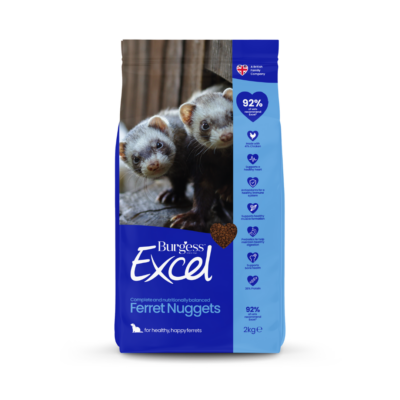
Excel Ferret Nuggets
from £9.49
Blog categories

Dogs

Cats

Rabbits

Guinea pigs