

Are Tonkinese cats intelligent? Do they have dog-like qualities? Do Tonkinese cats get on well with children and other pets? Are Tonkinese cats related to Siamese and Burmese cats? Find out more about these super sociable felines who may drape themselves decoratively on your shoulder before happily leaping from lap to lap.

Expert approved
Dr Suzanne Moyes MVB, MRCVS
17th November 2026
The slender-legged and stylish Tonkinese is an outgoing, confident cat who likes to be involved in absolutely everything their human is doing.
“Tonkinese operate on the principle that we were put on this earth to love them and cater to them. Therefore, it is quite natural for them to take possession of your lap or shoulder and supervise your every activity,” notes the Cat Fanciers’ Association (CFA).
Combining stunning good looks with high intelligence and a friendly, playful nature, according to Your Cat, Tonks, as they’re affectionately known by their owners, seem to have it all. “Once you meet a Tonk, you understand why fans rave about them,” says Linda Vousden, secretary of the Tonkinese Breed Club. “They’re a very generous, loving breed and they’re very bright. They’re so relaxed and lovely to handle.”
WHAT DO TONKINESE CATS LOOK LIKE?
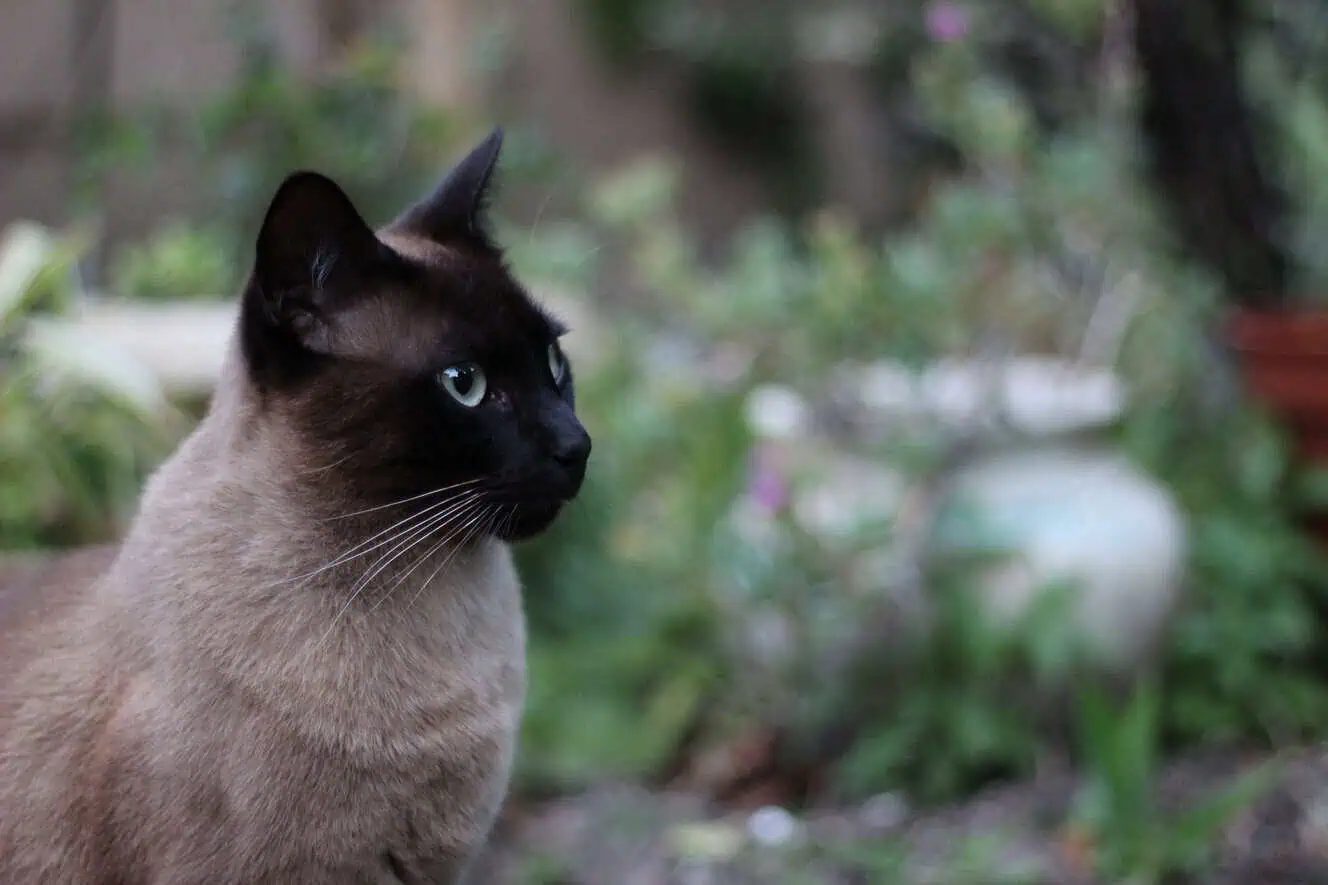
The Tonkinese is of medium build with a muscular body that’s often surprisingly weighty for their size. They have slender legs and neat, oval paws and a tapering, expressive tail. Their fine, silky coat is short, soft and has a lustrous sheen.
There are distinct Tonkinese coat patterns including single colour (in brown/seal, blue, chocolate, cinnamon, lilac, fawn, red, cream, caramel and apricot) along with tortoiseshell, tabby and tortie tabby, adding up to a possible 78 different combinations! Depending on their coat colour, their captivating, almond-shaped eyes can range from aquamarine and topaz to sapphire.
“Wrapped in a mink coat with sparkling aqua eyes, the gregarious Tonkinese is purring solid package of pure love,” enthuses The International Cat Association (TICA).
WHERE DO TONKINESE CATS COME FROM?
This exotic-looking cat has an intriguing history, dating back to ancient Thailand.
“Records of Tonkinese go back several hundred years to the rare Cat-Book Poems of Thailand,” reveals the Governing Council of the Cat Fancy (GCFF).
The Tamra Maew (The Treatise on Cats) are Siamese manuscripts from the 19th century that pair illustrations of various cat breeds with poetic descriptions.
According to the GCFF, today’s Tonkinese is descended from cats brought to the West from Malaysia in the late 1800s: “They have often been confused with cats that we now call Burmese and Siamese. Now, geneticists know that the Tonkinese is unique among cat breeds.”
The GCCF states that many of the Siamese and Burmese foundation cats were actually Tonkinese, including Wong Mau – the ancestress of the Burmese breed, developed in the 1930s in the USA.
“Tonkinese share their coat-pattern genes with their Burmese and Siamese cousins; the Tonkinese pattern falling midway between them. In the late 1950s, North American breeders looked more closely at these subtle-coated cats with their extraordinary aquamarine coloured eyes – several breeders worked together to develop breeding lines with them.”
In the UK, the Tonkinese was recognised by the GCCF as a distinct breed in 1991.
Read on to find out more about Tonkinese cats. Are they good with children and other pets? Are they playful and affectionate? What do Tonkinese cats like to do? From grooming and playtime to feeding, find out how to provide Tonkinese cats with everything they need to live a fulfilling and happy life.
But first, check out these Tonkinese cat facts!
5 TREMENDOUS TONKINESE CAT FACTS
- Tonkinese cats are medium in size. Adult females weigh between 6 to 9 pounds (2.7 to 4.1 kg), and adult males between 8 to 12 pounds (3.6 to 5.5 kg).
- Tonkinese cats can take a year or more for their eye colour to develop and their coat patterns can take up to two years to appear.
- Tonkinese cats have a long life expectancy, usually living 15 to 18 years, sometimes up to 20 years.
- Tonkinese cats are highly intelligent and can be trained to walk on a harness, retrieve toys and will often greet guests at the door, so it’s no surprise that the breed has earned a reputation for being very dog-like.
- Tonkinese cat Orlick, owned by Janine Davies, the Tonkinese Cat Club’s GCCF delegate, became the first Pets as Therapy (PAT) cat in the country in 1998 and the pair would visit patients in hospital.
TONKINESE PERSONALITY PROFILE
These sociable cats just adore people and love being the centre of attention. They’ll also want to get involved with every activity and are renowned for their playful nature and love of lap lounging!
“These affectionate, social cats are outgoing and lively but also like nothing better to curl up in your lap and bask in your undivided attention,” notes TICA. “A delightful cat that adds joy to the lives of everyone lucky enough to own one.”
“Tonkinese cats crave affection and attention, so as long as they are well socialised as young kittens they’ll enjoy being held, carried and cuddled,” says insurer Petplan. “Unlike their Siamese cousins, Tonkinese cats are not aloof on first meeting.”
“They’re interested in everything, and some people could find that intrusive,” reveals Linda Vousden. “You need to be prepared for them to be involved – they won’t just sit looking pretty. If you put a handbag on the floor, you’ll find a Tonk in it when you go to pick it up!”
“While sweet and loving, the Tonkinese can also be stubborn in their quest to get their own way,” adds TICA. “However, their clownish behaviour is so charming that most don’t seem to mind.”
Understand your cat better with our cat communication guide >>
IS MY HOME SUITABLE FOR A TONKINESE CAT?
Outgoing Tonkinese cats are happiest hanging around their human family and will quickly make friends with visitors. As they love people so much, they prefer a home where someone’s around most of the time.
“There are no favourites with the Tonk. They make sure everyone in a room gets attention and they’re constantly moving around,” says Linda Vousden.
While investigating every corner of your home will be a regular part of your Tonkinese’s day, they do like the opportunity to explore outside – but their friendly and curious nature could land them in trouble.
“As with most cats, Tonkinese cats will benefit from outdoor access,” advises Petplan. “Some owners may worry about theft and therefore may prefer to offer supervised access or provided an enclosed cat-safe garden.”
“These cats will say hello to anyone, so there is a risk of theft on top of the usual worries of missing cats and road accidents,” adds Your Cat.
Tonkinese cats need people around most of the time
These people-loving felines certainly don’t like to be home alone.
“Tonkinese cats rely heavily on their owners for comfort. They struggle if they’re left alone, and they can easily get bored, anxious and depressed,” says Petplan. “If your cat is well socialised with other cats, then you could consider buying or adopting two Tonkinese cats at the same time, from the same litter ideally. They often bond well with each other and can enjoy the company. Ensure both cats have their own separate set of resources, such as water bowls, food bowls and litter trays, to avoid any competition.”
Tonkinese cats, other pets and children can get along well
Gregarious, adaptable and confident, Tonkinese cats will happily rub along with other pets and children.
“Tonks thrive on company, so they will fit in well with many households – single people, couples, families with children and the elderly can all be happy Tonk owners, as long as they realise that this breed will insist on being involved with everything and everyone,” says Your Cat. “They will also get on well with other cats and dogs.”
“With their friendly, open attitude, they can be a good choice for families with children, other cats, or cat-friendly dogs,” adds TICA.
WHAT DO TONKINESE CATS LIKE TO DO?
While every cat is an individual with a unique set of likes and dislikes, there are certain things that are extremely important to Tonkinese cats. Top of the list is hanging around with their human family, joining in with everyday activities, and playing lots of games together that help keep these active cats fit and healthy – and their intelligent minds stimulated.
“They are intelligent and active, but don’t bounce off the walls or engage in much mischief,” says TICA. “Tonks like to jump up to high places and master puzzle toys. Teach them tricks and provide an assortment of interactive toys to keep their mind and body exercised.”
“Their intelligence and energy levels mean they need lots of mental stimulation and opportunities to play,” adds Petplan. “Tonkinese cats are energetic and entertaining. They love to climb, play, explore and create mischief. They’re also talkative cats; many owners find their Tonkinese cats are constantly chattering, meowing and purring – doing just about anything to get your attention. It’s important that you can give them a dedicated time every day to engage in play. While you are working or out of the house they should have access to interactive games, toys, and cat trees to keep them entertained.”
GROOMING YOUR TONKINESE CAT
When it comes to grooming, your Tonkinese will take care of themselves, with just a little help from you.
“Tonks are very good at self-maintenance, and their coats won’t need a lot of grooming,” says Your Cat. “Regular stroking should keep their coat looking great, and the occasional groom with a rubber-tipped brush will keep them in tip-top condition.”
“Your feline will mostly be able to manage their own coat care, but you should still groom your Tonkinese cat once per week,” advises Petplan. “If they’ve been introduced to grooming at a young age, they’ll love the attention and a chance to bond with you. As well as brushing their coat, you should also check your Tonkinese cat’s ears and brush their teeth. Regular grooming sessions will also give you a chance to check for skin issues, lumps and bumps and parasites like fleas and ticks. It’s important to start building this routine from the kitten stage.”
The ultimate cat grooming guide >>
FEEDING YOUR TONKINESE CAT
All cats – from tiger to domestic tabby – are obligate carnivores, which means they must eat meat to survive. Meat contains essential amino acids which they can’t make themselves. Cats also require high levels of protein and can benefit from food that’s appropriate for their life stage.
Industry body UK Pet Food states: “Cats vary from many species, requiring a significant amount of protein in their diet, plus certain nutrients, such as taurine, as part of a balanced diet with just the right amount of fats, carbohydrates and essential vitamins and minerals, to stay in peak condition. Nutrients must be present in the correct amounts for their stage in life and in the correct proportion to each other, in order to provide a nutritionally complete and balanced diet.”
Tonkinese cats enjoy their food so it’s important to only feed the recommended amount on the food packaging, even if your Tonk is pleading for more!
“Because of their foodie personalities, Tonkinese cats can be predisposed to obesity, and their slender frame can make it seem like they’re underweight,” says Petplan. “However, these cats are supposed to be slim and streamlined, so don’t be tempted to overfeed them.”
Burgess in-house vet Dr Suzanne Moyes MVB, MRCVS advises: “Along with high protein levels, cats require a careful balance of vitamins, plus the essential amino acid taurine necessary to promote a healthy heart and eyes. A complete diet will have all the necessary vitamins, minerals, essential fatty acids and amino acids in the right ratio.”
How much and how often should you feed your cat?
Adult cats are generally fed twice a day. Alternatively, as cats in the wild naturally eat lots of small meals per day, you could try splitting their daily intake into several small meals (unless advised otherwise by your vet). Providing dry cat food in a variety of ways, such as in treat balls or cat puzzles, can deliver a much more exciting and rewarding experience for your cat.
Portion control is also important, so get into the habit of measuring out accurate amounts each day. Giving your cat a little more than they need means they could become overweight. Likewise, if you don’t feed enough, your cat will not get all the nutrients they need and will become underweight.
Dr Moyes advises: “By following the on-pack instructions, it’s easy to measure out exactly the right-sized portion that’s suitable for your cat’s age and lifestyle to ensure they consume the correct amount of nutrients. For instance, house cats may need fewer calories than cats that spend much of their day roaming outdoors. Dry cat food is a good option as it’s easily portioned, may be better for dental health and encourages extra water consumption.”
Wet food v dry food
Unlike wet cat food, dry cat food stays fresh inside the pack until you’re ready to serve it to your cat. And that’s not all! Other benefits include:
- Free feeding – As dry food can be left out because it won’t spoil, this suits those cats who prefer to graze their food over the day rather than at specific mealtimes.
- Helpful for healthy teeth – Munching on crunchy kibble encourages chewing and helps to keep teeth clean.
- Makes feeding more fun – Dry food is easier to use with food dispensers and puzzle toys, providing environmental enrichment and mental stimulation.
- Portion control – By following the on-pack instructions, it’s easy to measure out exactly the right-sized portion to help your cat maintain a healthy weight.
Make sure to supply plenty of fresh water, too, in a separate place from their feeding area. Lots of cats aren’t keen on drinking water from a bowl, preferring moving water to still – so it may be worth investing in a cat fountain if you don’t want them drinking from a dripping tap!
GETTING A TONKINESE CAT
If you’re interested in adding one of these fabulous felines to your family, find out as much as you can first and decide if you’ll be able to provide them with everything they need to be a truly happy and contented cat.
If you’re looking for a kitten, only buy from a reputable, registered breeder.
Alternatively, visit the Cat Rescue Resource, Tonkinese Rescue UK, Rameses Cats Rescue, Tonkyway Rehoming or Strawberry Persian and Pedigree Cat Rescue to find beautiful rescue cats looking for happy new homes. Also check out other rescue charities such as Cats Protection, Battersea, Blue Cross, RSPCA and Woodgreen, who’ll be delighted to hear from you, and can provide you with lots of helpful advice on adopting a rescued cat.
EVERY CAT DESERVES A DELICIOUS, NUTRITIOUS, TOP QUALITY DINNER!
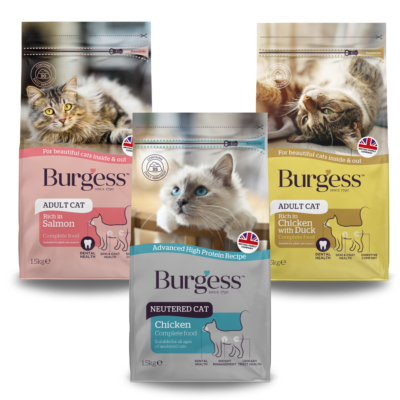
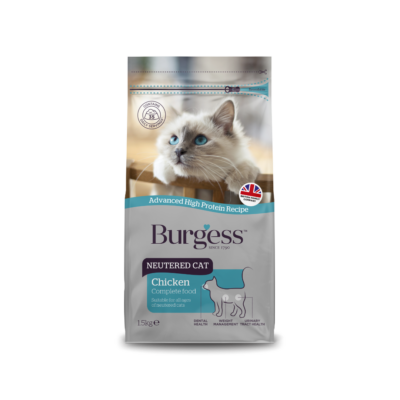
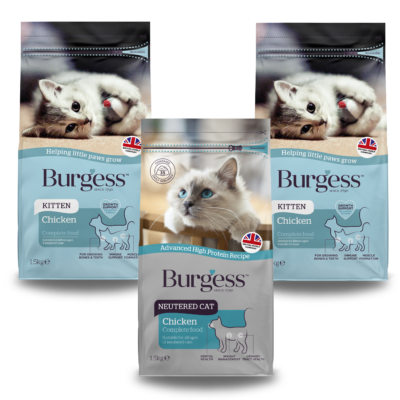
At Burgess Pet Care, all our cat food is made in Yorkshire, using premium ingredients to ensure excellent quality and superior taste to help keep your cat happy and healthy – from kitten, to adult and mature and Burgess Neutered Cat with Chicken – an advanced, high protein, complete food with added L-Carnitine to help maintain a healthy weight.
- Salmon? Duck? Chicken? Let your adult cat pick their favourite flavour with our fussy cat bundle >>
- Our cat diet and nutrition guide is here to help you create a meal plan that's tailored especially for your feline friend.
- How often should you feed your cat? Find out why little and often suits most cats – and the reason why play should be part of your feeding routine.
- Adapting your cat’s diet throughout their life What you choose to feed your cat at different life stages can make all the difference.
With a whole host of *5-STAR REVIEWS*, our customers have told us:
* “I feel like I'm giving her a complete and nourishing meal that she genuinely enjoys eating.” * “My cat is obsessed with the chicken and duck combination – she finishes every bowl.” * “Love the high meat content and lack of artificial fillers, a very healthy food.” * “Her fur is visibly shinier since we switched to this food – clearly good nutrients.” * “Our cats love this cat food, and they are healthy and have lovely, glossy coats.” * “Noticed a definite improvement in my cat's fur texture since switching to this formula. It's much softer.” * “The person I got my cat from recommended this brand, and it's been fantastic, great product.” * “I trust Burgess for providing quality nutrition for my cat. This chicken and duck blend is fantastic.” *
CARE MORE Find out more about caring for your cat from Burgess, the Pet Care Experts.
Is your cat a Burgess cat? Join our Pet Club for exclusive offers and competitions – and expert advice from our in-house vet, Dr Suzanne Moyes.
Blog categories

Dogs

Cats

Rabbits

Guinea pigs