

What’s the best way to insulate outdoor hutches? How do you prevent water bottles from freezing? Should rabbits and guinea pigs be brought inside for winter? Do small pets need more food in cold weather? Check out our 14 DOs and DON’Ts to find the answers to these small pet FAQs…

Expert approved
Dr Suzanne Moyes MVB, MRCVS
19th November 2026
Our small furry friends rely on us to keep them safe, warm, and well-fed – and this is extra important during the cold, dark days of winter. Whether you have bunnies or guinea pigs, ferrets or chinchillas, gerbils, rats or a hamster, their winter wellbeing depends on you.
The British Veterinary Association (BVA) states: “The small body size of these animals makes them very susceptible to hypothermia if they get cold or damp. They are powerless to alter the environment provided for them as conditions change, and so they rely on their human carers to make sure that their housing is safe and warm enough.”
Burgess in-house vet, Dr Suzanne Moyes MVB MRCVS, advises: “Many of our pet animals can find this time of year rather a challenge and need us to provide them with extra support. While there are lots of things we can do to help our small pets during the winter months, but if you have any concerns about their health or wellbeing, always contact your vet for advice.”
To help your small pet friends cope this winter, follow our cold weather care DOs and DON’Ts...
- DO be aware of how cold weather affects your small pets. Experts recommend temperatures between 10°-20°C (50°F to 68°F) as ideal for pet rabbits – anything below 10°C (50°F) is too cold for them. Temperatures below 15°C (59°F) can cause guinea pigs to become chilled – they’re suited to 17°-20°C (62°F to 68°F). If kept outdoors, ferrets need to be inside a roomy, draft-free shed with a pet-safe heater to ward off the worst of the wintry chill and to maintain temperatures between 15°-24°C (59°F to 75°F).
- DO bring your guinea pigs inside for the winter if you can. For example, create a quiet, cosy space for them in a porch or utility room. You could even provide them with a Pigloo each. These are made from a durable cotton outer, wadding and a fleece inner and are a great for your piggies to snuggle down inside and feel safe, warm and comfortable.
- DO consider housing outdoor bunnies in a shed or Wendy house that has space to run about inside when it’s cold and wet. During very cold snaps, provide a couple of Snugglesafe heat pads that you can warm up in the microwave each evening for your pets to lie on. If your rabbits are old, thin or young and have not built up a winter coat, the RSPCA recommends moving them indoors.
- DON’T forget to weatherproof and insulate outdoor hutches if it’s not possible to bring your small pets indoors. Hutches and runs should be in a sheltered position, away from wind, rain and snow, at least 10 cm off the ground and provided with a thermal cover. “A tarpaulin with eyelets around the edges can be fastened snugly to the hutch using cable ties. Find some old blankets or duvets and sandwich these between the hutch and tarp, to add more insulation,” advises Vets4Pets. To insulate their sleeping compartment, place a cardboard box inside it and pack the space between the box and the floors, walls and ceiling with newspaper and fill the inner box with a deep pile of soft, dust-extracted hay. Replace the box when it gets damp.
- DO add extra protection if your garden isn’t well sheltered. “You could hammer in some windbreaks or short fencing panels around the hutch to provide protection,” suggests Vets4Pets, which also recommends fixing sheets of clear, corrugated plastic to the top and one or two sides of your pets’ run so they can still benefit from daylight while staying dry.
- DO keep up with housekeeping – dirty, damp bedding creates an unhealthy environment for small furries and will freeze on cold winter nights, which could lead to your pets becoming ill, so regular cleaning is required to keep things fresh and dry. Clean out the paper bedding in the toilet area daily and their whole home regularly, at least once a week. Always replace a small amount of used, un-soiled bedding to maintain familiar scents and reduce stress.
- DON’T forget to check water supplies throughout the day as the contents of bowls and bottles will freeze surprisingly quickly. Vets for Pets suggests rotating water bottles, replacing a cold or frozen one with a new room-temperature one, two or three times a day, adding: “Insulate the bottle using bubble wrap that will trap a layer of air. Use your hand to warm the drinking spout and ensure the little metal ball can still move freely, allowing your pets to drink. If your pets drink from a bowl, you could place a heat pad underneath it.” Access to clean, fresh drinking water at all times is essential or your pets could be coming seriously ill, and they may want to drink more in the winter as their access to moisture-rich grass is limited.
- DO provide a little more food as small pets need extra calories to maintain their body temperature and condition when temperatures dip, so allow for this when serving up their daily portion of nuggets. As fresh grass is less readily available, bunnies and piggies will require plenty of nutritious feeding hay to munch on. They’ll also need their daily portion of suitable fresh veggies, but never feed greens or vegetables that are frosty or frozen and remove any uneaten items each evening.
- DO check for drafts around your indoor pets’ accommodation. Cold air from windows and doors can give small pets such as hamsters, rats, gerbils and chinchillas a chill, so you may need to relocate them somewhere else in your home that’s draft-free.
- DON’T forget to check for indoor fume hazards that can harm small pets. There are lots of things – including fumes from non-stick frying pans, wood burning stoves and scented candles – which can be toxic to small furries, so ensure they’re not exposed to them.
- DON’T underestimate the importance of companionship. Ensure your small pets have a companion of the same species to snuggle up to (except for hamsters) as they will help keep each other cosy. “Huddling together in their sleeping compartment is the natural way for rabbits, guinea pigs and other sociable pets to keep warm,” says Vets4Pets.
- DO provide plenty of foraging opportunities to give your small furries something fun to do. Little pets such as guinea pigs, hamsters, chinchillas, rats, ferrets, degus and gerbils will enjoy foraging for suitable tasty titbits. Simply scatter their favourite nuggets around their enclosure, hide some inside paper bags or mix with some hay and stuff this into cardboard loo rolls for them to investigate. You could also tempt them to come out and play with some healthy treats such as Winter Berry Bakes, which are packed with cranberry and apple for that perfect seasonal forage treat!
- DO keep a very close eye on your small pets’ health. Giving them a weekly health check will enable you to spot problems early and visit your vet for speedy treatment. Guinea pigs, rabbits, chinchillas and rats are susceptible to upper respiratory tract infections, which can lead to serious complications such as pneumonia. Symptoms include sneezing, coughing, discharge from the nose and eyes, a dull and depressed appearance and loss of appetite. Gerbils and hamsters can catch a cold from humans, so if you have one, don’t handle your pets. Ferrets can get a form of influenza which can be passed from human to ferret and ferret to human, which requires urgent veterinary treatment.
- DON’T forget to schedule in some quality time every day to interact with your small pets – it’s a highlight of their day! While this is vital throughout the year, it’s perhaps even more important in winter when the days are short, and life can get a bit boring – both for us and our pet animals! Keep daily feeding and exercise times consistent and schedule in some time every day for play with enriching toys, grooming and some extra special attention.
LOVE PETS? TRUST BURGESS – WE’RE EXPERTS IN OUR FIELD!
Burgess Pet Care is one of the UK's leading pet food manufacturers for the country’s most popular small pets – rabbits, guinea pigs, chinchillas and degus, hamsters, gerbils and mice, rats and ferrets.
All our high-quality recipes have been formulated by vets and nutritionists. This ensures they contain the right balance of vitamins and minerals to supplement your pet’s diet to help keep them happy and healthy. With a long tradition of supporting British farmers, we actively source all our ingredients as close to our mill as possible.
Are your small pets Burgess small pets? Join the Burgess Pet Club for exclusive offers, competitions and expert advice from our in-house vet, Dr Suzanne Moyes.
CARE MORE Find lots of useful advice on caring for your pets from Burgess, the pet experts. Training, nutrition, grooming and general care, it's all here >>
Featured products
Sale!
Sale!
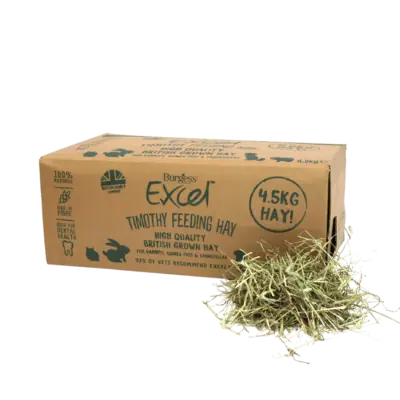
Excel Timothy Hay Box
from Original price was: £21.49.£20.82Current price is: £20.82. — or subscribe to save 5%
Sale!
Sale!
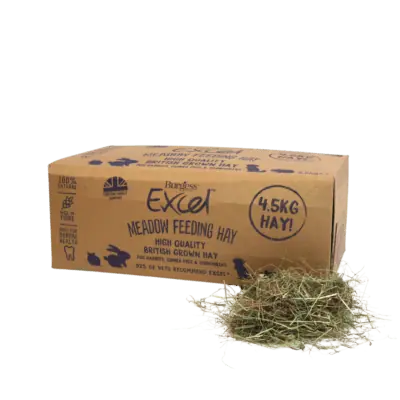
Excel Meadow Hay Box
from Original price was: £23.03.£20.39Current price is: £20.39. — or subscribe to save 5%
Sale!
Sale!

Excel Mature Rabbit Nuggets
from Original price was: £7.49.£6.37Current price is: £6.37. — or subscribe to save 15%
Blog categories

Dogs

Cats

Rabbits

Guinea pigs