

How long can a hamster go without food or water? Does the type of hamster you have make a difference? For example, compared to Syrian hamsters, how long can a dwarf hamster go without food?


Expert approved
Dr Suzanne Moyes MVB, MRCVS
27th November 2025
Taking the very best care of your hamster pal means understanding what food they need to stay healthy, when and how they like to eat, and what food you should never give them. And, if you’re leaving them home alone overnight, what feeding arrangements you need to make.
“All hamsters have the ability to store food in their cheek pouches so they can carry it back to a safe space to eat later, while also ensuring they have some food resources in reserve. For hamster fans, this is one of their most endearing behaviours. And, while hamsters can, in theory, endure a couple of days without food, this is not advisable,” advises Burgess in-house vet Dr Suzanne Moyes.
Foraging for food is a fundamental hamster behaviour
“If hamsters don’t have constant access to food to forage for, it will cause them stress. All hamsters – whether Syrian or one of the dwarf varieties – have a fast metabolism and require a consistent energy intake for their body to function properly. They do not have enough fat reserves to survive without food for prolonged periods of time,” continues Dr Moyes.
“As natural foragers and hoarders, their instinct to search for and store food is a fundamental behaviour, essential for both their emotional and physical wellbeing. In addition, hamsters need constant access to fresh water, or they will become dehydrated, which will make them very ill.”
Whether you have a Syrian or a dwarf hamster, if you provide them with enough hamster nuggets, some Timothy hay, a little fresh food and plenty of fresh water, you can leave them for a day and overnight, up to 24 hours. If you’re going to be away longer, you’ll need to arrange for a hamster-savvy friend or neighbour to take care of them, consider hiring a pet sitter, or look at boarding options.
Check out our hamster holiday care tips >>
What’s the ideal hamster diet?
“The best hamster diet should replicate what they’d eat in their natural environment. Wild hamsters eat grasses, seeds and grain – and the occasional insect! So, hamsters also need protein in their diet to keep them healthy,” says Dr Moyes.
“The ideal healthy hamster food should consist of smooth, small nuggets, designed for little mouths. Added linseed can be beneficial to support a healthy skin and coat, along with a good source of natural protein, such as peas. Supplement this with a little top-quality feeding hay to nibble on, which will keep their teeth in good shape, along with a tiny amount of fresh food a few times a week.”
What does your hamster chum need to be happy? Find out with our hamster top tips! >>
Keep reading to find out everything you need to know about feeding your hamster to keep them healthy and happy!
FUN HAMSTER FEEDING FACTS AND TOP TIPS!
- Hamsters aren’t vegetarians, they’re actually omnivores. In the wild, hamsters naturally eat a mixture of seeds, cereals, grasses, roots, herbs, insect larvae and larger insects such as crickets. As pets, hamsters need a good-quality, balanced diet, containing all the essential nutrients and minerals they need.
- Hamsters like to find their food themselves. To make mealtimes more interesting, their food can be scattered or hidden around their accommodation. This helps prevent boredom and encourages natural foraging behaviours.
- Hamsters like to eat hidden away. That’s why you may spot them carrying food in their cheek pouches and scurrying off to their nest to eat it or stash it away for later. In the wild, hamsters are prey animals, so they don’t want to stay out in the open for too long!
- Hamsters like to sit up, hold and gnaw on pieces of food – it’s adorable to watch!
- Hamsters are nocturnal, so the best feeding time for them is in the evening when they start to wake up.
- Hamsters enjoy a little fresh food – a portion should be small – just the size of their ears! Safe hamster fresh food includes carrot, broccoli, cabbage, cauliflower, chicory, spinach, sweet peppers, cucumber, cress, courgette, basil, sage, parsley, coriander, apple, pear, peach and melon. Always give fruits and vegetables a thorough wash to remove any contaminants. As hamsters like to hoard and bury their food, check their accommodation daily for any uneaten bits and remove them before they start to spoil and cause tummy upsets.
- Hamsters should never be fed citrus fruits, rhubarb or grapes as these are poisonous to them. Also avoid ‘muesli’ style food as this can encourage selective feeding, where hamsters pick out the bits that are high in sugar and discard the more nutritious elements, leading to an imbalanced diet. As their cheek pouches are very delicate, don’t give them foods that contain whole oats as these can puncture them. Also avoid sticky foods, as these can cling to their pouches.
- Hamsters can become overweight if you feed them too much. While larger Syrians and smaller Dwarf hamsters have the same nutrition needs, portion sizes should be appropriate to which type of hamster you have. Read your hamster's food pack carefully and follow the instructions. As a guide, hamsters need about one tablespoon of dry food per day, though the exact amount depends on their species and activity level.
- Hamsters have teeth that never stop growing. They have a 'self-sharpening' system where the incisors grind against each other while gnawing, which wears the teeth down. That’s why they need to gnaw on Timothy hay and other chewable items such as cardboard, coconut shells, hay bars, mini hay bales, pumice stone and seagrass toys to keep their teeth in good shape.
- Hamsters need a constant supply of fresh, clean drinking water, from a bottle with a valveless sipper tube as they can’t apply strong suction. Water needs to be changed daily, and the bottle checked for leaks or blockages. Bottles should be placed with the spout at the appropriate height for the type of hamster you have.
NEED SOME EXPERT HAMSTER FEEDING TIPS?
If you are at all unsure about the best way of feeding your hamster or have any concerns about specific nutritional requirements, ask your local veterinary practice for advice. You can also call our expert team on 44 (0)0800 413 969 who’ll be happy to help. They’re available 9am-5pm, Monday to Friday. Alternatively, you can use our online form to get in touch.
How intelligent are hamsters? Are hamsters friendly? Will my hamster nip me? Which toys will my hamster like to play with? We answer some popular hamster queries >>
SERVE UP ONLY THE VERY BEST DINNER FOR YOUR SMALL PETS!
Our small pets deserve a high-quality diet that’s created just for them. At Burgess, all our food for hamsters is made at our factory in the heart of Yorkshire, using only ingredients that meet our stringent specifications.
With a long tradition of supporting British farmers, we actively source all our ingredients as close to our mill as possible and have launched many innovations.
*It’s no surprise that 92% of UK vets recommend our Burgess Excel small pets range!*
CARE MORE Find lots of useful advice on caring for your hamster from Burgess, the pet experts >>
Join the Burgess Pet Club for exclusive offers, competitions and expert advice from our in-house vet, Dr Suzanne Moyes.
12 facts you may not know about Burgess Pet Care! >>
If you found this interesting, you may also like:
HAMSTER HABITATS How to create an enriching environment for your hamster. You’ll have hours of fun watching your curious pet investigate and explore all the intriguing things you’ve provided for them.
HAMSTER HEALTH CHECKS As well as providing nutritious hamster food and creating a suitable hamster habitat for them to thrive in, there are some important health checks that you should carry our regularly to ensure your hamster is in the pink.
LIFE AS A VERY SMALL ANIMAL Dwarf hamsters are undeniably cute, so it’s no wonder that they’re a very popular pet. Yet these tiny creatures, which are around half the size of a regular Golden or Syrian hamster, have very specific requirements to ensure they can enjoy happy hamster lives.
TRUE OR FALSE? HOW WELL WILL YOU SCORE IN OUR FUN HAMSTER QUIZ? Small and interesting, hamsters are one of the world’s most popular pets. But how much do you know about them and their fascinating hamster ways?
AND SO, TO SLEEP… Are hamsters nocturnal? Do guinea pigs spend more time awake or asleep? Do chinchillas sleep upside down? Do rats only come out at night? Some of our small pets’ sleeping habits seem a little odd to us, but there are some very good reasons why their snoozing patterns are different to ours, which are really rather fascinating...
WHAT’S THE BEST BEDDING FOR SMALL PETS? Whichever small pets you have, each has different requirements when it comes to creating a cosy, safe snoozing space.
HOW TO HANDLE SMALL PETS When it comes to being handled, different small pets have very different opinions. Some soon learn to enjoy it – particularly if there are some tasty treats involved! Others are not quite so keen.
BONDING WITH YOUR SMALL PETS Handfeeding is a great way to build a closer bond with small animals. It takes time to build trust, but when your little friend finally feels confident enough to take a treat from your hand, it’s a special moment.
SPRING CLEANING? WHY GOOD HOUSEKEEPING IS A SMALL PET ESSENTIAL Keeping your small pets’ home clean, tidy and hygienic will discourage pests from making an unwanted appearance and help keep your small furry friends healthy and happy.
FINDING A VET FOR YOUR SMALL PETS Did you know that just like hospital specialists, vets have different areas of expertise? That’s why, if you have small pets, it can be a good idea to seek out a vet that specialises in small animal medicine.
HELP YOUR SMALL PETS GET SET FOR WINTER We’ve got lots of great advice and top tips to help your small furries stay warm and snug during the colder months of the year.
WILD AT HEART Inside every pampered small pet is the desire to exhibit their natural behaviours, which reveal their wild origins. It’s the reason why bunnies want to dig and burrow, guinea pigs like to keep a watchful eye from a safe hiding place, hamsters stuff food in their cheek pouches and chinchillas prefer to sleep hunched up. Find out more about the fascinating behaviours of some of our favourite small furries.
NEW PETS ON THE BLOCK? From dogs to degus, cats to chinchillas, guinea pigs to gerbils, ferrets to fancy rats – when did these awesome, amazing animals become our furry companions?
HOW TO TELL IF YOU HAVE A HAPPY PET Wheek-wheeking, bruxing, dooking, chirping, binkying, popcorning – there are all sorts of ways our pets tell us they’re feeling good, once you know what to look for...
SMALL PET RESCUE If you’re looking for small pet friends, could a rescue centre be a good place to start? With expert advice on hand, finding your perfect small pet match couldn’t be easier...
THE UK’S TRENDIEST SMALL PET NAMES From rabbits to guinea pigs, pet rats, mice, gerbils and hamsters to chinchillas, degus and ferrets, when it comes to naming your small pets, how do you choose a name that suits their beguiling looks, sweet personalities and adorable ways?
DO YOUR SMALL PETS HAVE THE RIGHT TO ROAM? While providing your small pets with secure, accommodation that’s suitable for their species is all-important, small furries also benefit from having the opportunity to explore and exercise outside their main housing in an appropriate setting.
SMALL PET MUMS ARE BIG ON LOVE Let’s celebrate small pet mums for the amazing job they do bringing up their tiny babies!
WHAT PUTS YOUR SMALL PETS IN A GOOD MOOD? Along with socialising with their same species companion and interacting with their favourite human, our survey reveals the best thing you can to do to give your small furries a happiness boost…
BIG IDEAS FOR SMALL PETS Enriching the lives of our small animals will help them lead their best pet lives. We’ve lots of ideas for things you can introduce to keep things interesting for small furries.
COST EFFECTIVE WAYS TO LOOK AFTER YOUR SMALL PETS How to create DIY boredom breakers and ways to upcycle old furniture and unwanted items from around the house into interesting features for your pets’ environment.
Featured products
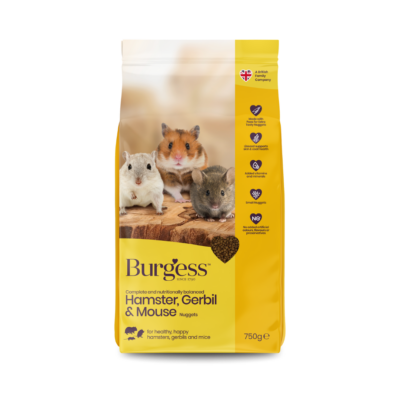
Hamster, Gerbil & Mouse Food
from £4.00
Blog categories

Dogs

Cats

Rabbits

Guinea pigs