

The sun can be fun, but our pets need to keep it cool. Discover how to keep pets cool in the summer with useful advice & tips from Burgess Pet Care.

Expert approved
Dr Suzanne Moyes MVB, MRCVS
29th May 2025
Those glorious sunny days give both people and pets a much-needed boost. However, it also means taking precautions, as scorchingly high temperatures can cause all sorts of problems for our pet friends. If you’re wondering how to keep pets cool in summer, you’re in the right place.
Here at Burgess Pet Care, as well as selling high-quality dog food, cat food, and food for small animals, we’re also here to offer expert advice when it comes to looking after your beloved furry friends. Find out how to protect your pets in hot weather and why our animals might struggle during those warmer months…
Animals find it harder to cool down than humans do
Unlike us humans, who have sweat glands all over our bodies to help us regulate our temperature, animals lack the ability to cool themselves down easily, which is why blazing hot weather can really affect them. Dogs and cats only have a few sweat glands around their noses and in their feet and rely on panting to cool themselves down.
Small animals - such as rabbits, guinea pigs and ferrets - don’t sweat and can’t pant, and so find high temperatures even more difficult.
The summer is a great time for bunnies, but the warm weather can also bring the risk of heatstroke, so it’s important to keep your rabbits cool. It’s especially important for flat-faced, long-haired, and overweight bunnies that might find it a bit more difficult to regulate their body temperatures. Overheating in guinea pigs can be particularly dangerous, so it’s always important to take extra care in warmer months to keep them cool. As well as guinea pigs, ferrets are also more susceptible to heat stress and heatstroke. This is because they don’t have well-developed sweat glands, combined with a thick coat.
>> We’ve got plenty more advice when it comes to heatstroke in your pets <<
How to keep dogs cool in summer
Let’s start off with your devoted canine. Your dog is probably used to a strict routine, but on hot days, it’s time to switch things around. Between noon and 3pm, as well as the fiery rays of the sun to contend with, pavements can be hot enough to burn paws. Here are some tips when it comes to walking your pooch in the summer:
- Walk early or late to avoid taking your dog out during the hottest part of the day
- Encourage your dog to slow down by setting a slower pace and giving them plenty of time to sniff out exciting smells with their nose
- Be wary of hot pavements and roads - hot surfaces can really hurt your dog’s foot pads
- Keep to shady areas and plan your walks to include places where there’s shade
- Take two or three short walks throughout the day instead of one long one
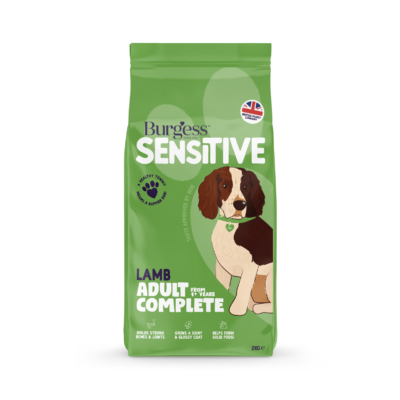
Cool spaces are ideal for your dog to lie down, so make sure they’ve got a nice shady spot in the garden to rest in. You can also buy some nifty things that are designed specifically for pets, such as cooling mats and pads that automatically cool when your dog sits on them! Make sure you’re providing them with enough water and adult dog food throughout the day, also.
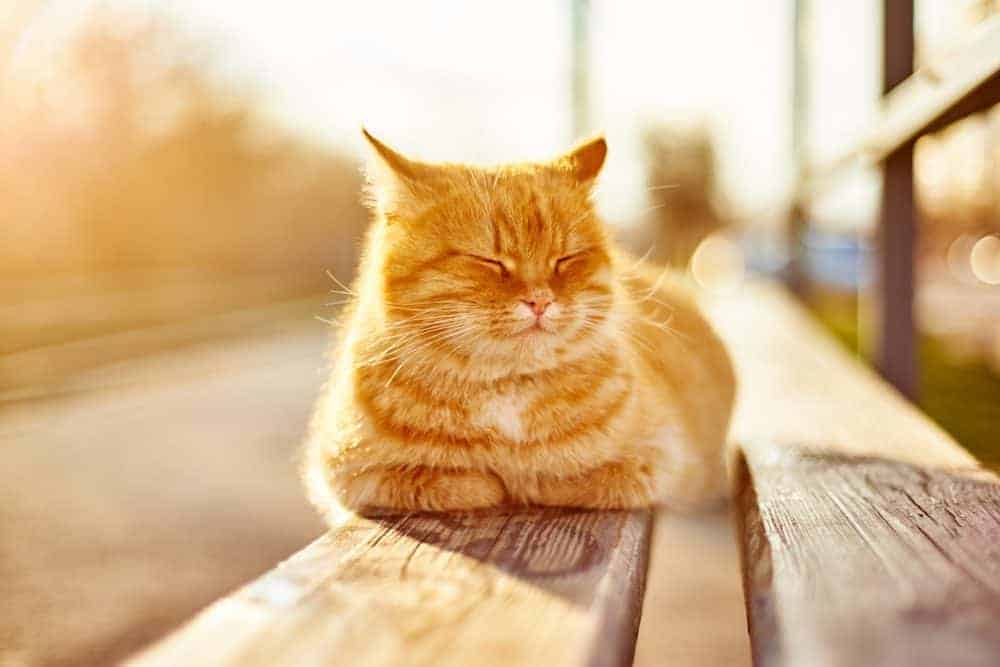
How to keep cats cool in hot weather
The same sort of advice applies to cats, too! However, we’ve got more tips when it comes to sun-seeking cats:
- Provide shelter from harsh rays. If your garden doesn’t have much natural shade then it could be worth investing in a free-standing parasol or a pop up sun shelter. Encourage your feline friend to seek out these shady areas by placing a familiar blanket down for them.
- Keep your cat indoors during the hottest times of the day. This is usually between 11am and 3pm. Some cats can actually suffer from sun burn, so you can apply a pet sunscreen to the nose and ear tips of your pet.
- Keep a room in your house cool and well ventilated by drawing curtains and opening windows if there is a breeze, so your cat has a cool, cosy place to rest. Let your cat choose a cool place to lie down – they’ll naturally gravitate towards a slate floor, the kitchen sink or by a fan in summer.
- Don’t worry if your cat seems to be grooming more than usual. This is a cooling mechanism similar to sweating - as the saliva evaporates off their fur, your cat will cool down. We always knew that cats are clever!
>>> Treat your cat to Burgess Pet Care’s premium dry cat food, designed for balanced nutrition! <<<
What about cooling down small animals?
In the wild, during hot spells, small pets would naturally seek shady spots and the safety of their cool burrows. During warmer months, wild rabbits spend the hottest part of the day underground in their nice, cool burrows, coming out to feed in the mornings and evenings when the day is cooler. If your bunnies live outside, it’s important that you keep their enclosure out of direct sunlight.
The animal charity Woodgreen recommends moving outdoor enclosures (including hutches and runs) to a shaded part of your garden if possible. Don’t forget that the sun will move throughout the day so keep an eye on them to make sure they’re not exposed! Some other tips when it comes to cooling down small animals include:
> Draping well rung-out cold wet towels over hutches or cages to cool them down. Be wary of plastic guinea-pig igloos as these can become very hot in the summer and are best replaced by an alternative hidey-hole such as a cardboard box with an entrance and ventilation holes cut into it or willow tunnels.
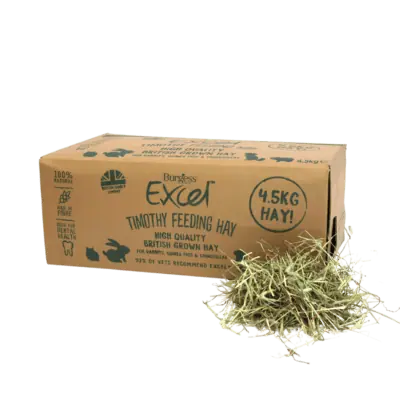
> Replenish your hutches with fresh, fluffy piles of high-quality feeding hay as this will allow your rabbit, guinea pigs, or other small animals to burrow inside to keep cool. For rabbits, some cold, damp tea towels to lie on can also provide some relief.
> You can also try stroking your rabbits' or guinea pigs' fur with a cool, damp flannel. With bunnies, carefully dampen their ears too, as this is the part of their body that they lose heat from.
> You can make your own small pet coolers from litre plastic bottles, three quarters filled with water and popped in the freezer. These can be placed under a towel or inside a sock so that your rabbit or ferret can lean against them. Keep a close eye so that no chewing ensues!
> Don’t feel tempted to give your small animals a cool bath. Never place your guinea pigs in cold water. Not only is bathing very stressful for them, but it can also cause their small, sensitive bodies to go into shock.
> Clean your pet’s enclosure regularly, especially in warm weather. This can reduce the risk of flies and unwanted insects being attracted to them and to avoid flystrike - a painful, sometimes fatal condition caused by flies laying eggs that hatch into maggots and eat their host’s flesh. Remove any uneaten vegetables as soon as possible, as these can start to rot in the warmer weather, attracting flies to your runs and hutches.
Top tips on how to help pets handle the heat
Still after more advice? We highly recommend following our tips and advice. That way, both you and your pet will be all set for a long, hot summer of fun!
- Keeping your pet at a healthy weight is a great way to help them during the hot weather - being heavier than they should makes it hard for them to stay cool. Here’s some advice on how much your pet should weigh.
- Regular grooming is really important. Brush long-haired cats, dogs, rabbits, and guinea pigs daily, as matted fur can trap heat. Medium-haired breeds will need brushing a few times a week to remove the dead hairs. Short-haired breeds will just need a weekly going over. If it looks like a prolonged heatwave has set in, some pets may benefit from a summer trim.
- Pets need to stay hydrated and should have constant access to clean, cool water. One way to encourage pets to drink more is a pet water fountain! Ferrets and cats are likely to enjoy this.
- Never, ever leave a pet in a parked car unattended, even for a short while. Leaving a window open or a sunshield on the windscreen won’t keep your car cool enough. According to the RSPCA, cars can get as hot as ovens, so leaving your dog in the car is very dangerous and will cause your dog suffering and harm.
- Don’t accidentally shut pets in. Just as with cars that can become incredibly hot in minutes, the same rule applies to caravans, conservatories, or outbuildings. Before you shut and secure doors, make sure your pet hasn’t wandered in without you noticing.
- Sometimes it’s best to leave your dog at home when planning a fun day out. While it can be tempting to take your dog with you, spending prolonged periods of time in the sunshine without shade poses a really serious risk to your canine companion. As long as they have managed to have a dawn or late evening walk and you’re not leaving them for longer than four hours, they should be happy either napping or with something to do.
If you love pets, put your trust in Burgess Pet Care
Hopefully, this blog has been useful in telling you how to keep pets cool in the summer. Whether you’re worried about your cat, dog, hamster, guinea pig, or rat, you can rest assured knowing that by following the above advice, you’re keeping your beloved companion safe and out of harm's way.
Here at Burgess Pet Care, you can get your paws on specialist dog & cat food, as well as other high-quality recipes that have been formulated by vets and nutritionists. With a long tradition of supporting British farmers, we actively source our ingredients as close to our mill, right here in the heart of Yorkshire, as possible.
After more advice or information when it comes to your furry friends? Then simply get in touch!

Blog categories

Dogs

Cats

Rabbits

Guinea pigs