

Wondering how often should you wash your dog? We’ve got all the tips and advice you need for a fresh, clean pooch! From bathing tips to grooming tricks, keep reading for a squeaky clean dog.]
22nd September 2026
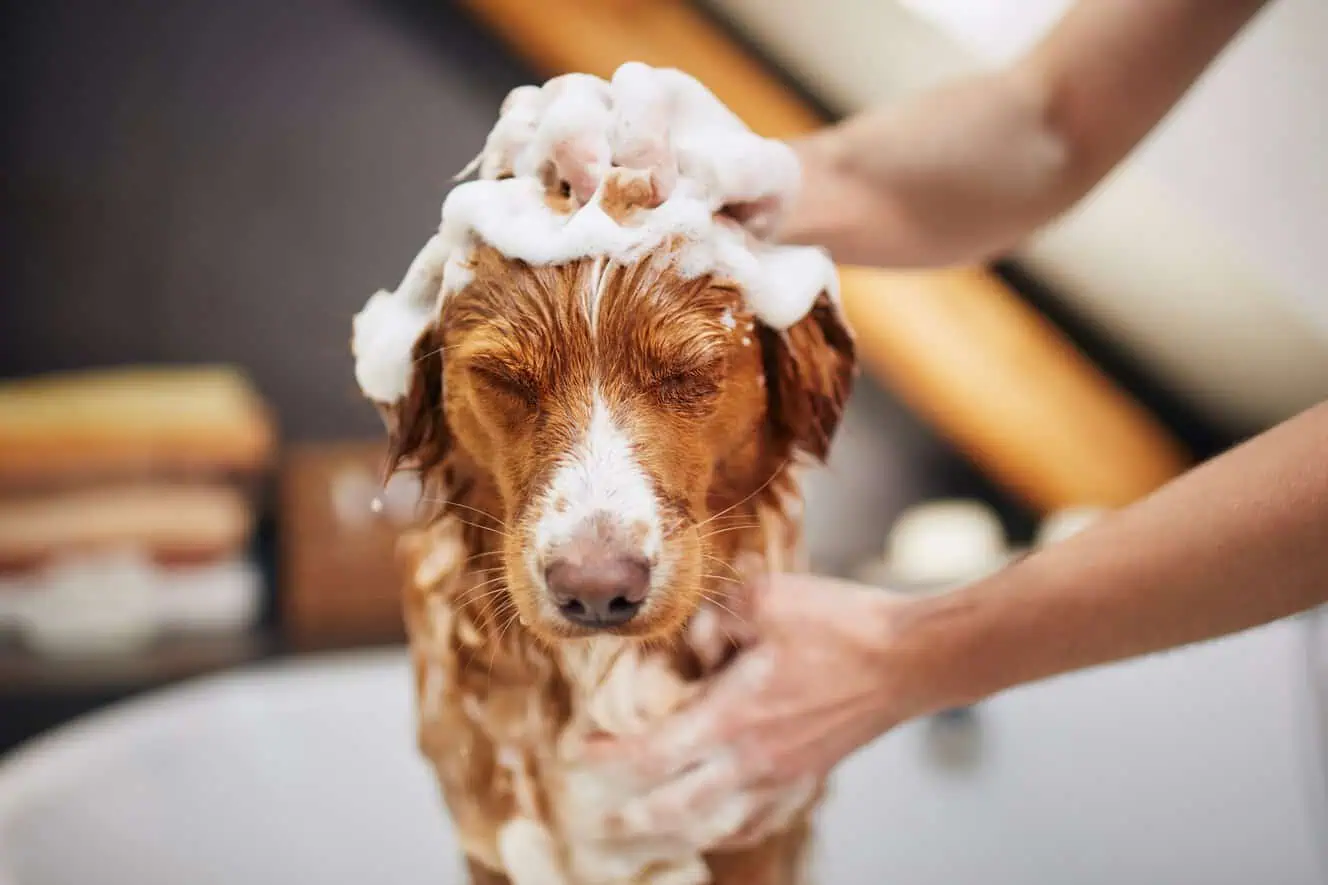
‘How often should I bathe my dog?’ It’s a common question that most dog owners ask themselves, and it’s extremely important to keep on top of your dog’s hygiene for the sake of their health and happiness (and yours, too!).
At Burgess Pet Care, our delicious dry dog food contains all the nutrients and ingredients that your dog needs for healthy skin & coat and a balanced diet. However, a bit of extra grooming and bathing is always required. In this blog, we’ll find out how often you need to wash your dog, and some tips & tricks for a pristine pooch.
Let’s get into it…
How often should you wash your dog?
Most healthy dogs will need a bath every 4 to 8 weeks, but there are lots of factors that determine the choice for a bath, like your dog’s breed, coat type, and lifestyle. General guidelines suggest…
For shorthaired breeds and smooth coats: Wash them every 1 to 3 months, unless they get dirty
For long-haired breeds or silky coats: Wash every 2 to 4 weeks to prevent tangles and trap dirt
For hairless breeds or oily coats: Wash as often as weekly, or bi-weekly with gentle products
For extremely active and outdoor dogs: Wash every 2 to 4 weeks, or at least rinse them off with water after a swim or particularly muddy walk
Signs that your dog needs a bath
Unlike humans, dogs don’t really need a bath or a wash every day. However, that doesn’t mean you should neglect their hygiene! Here are some hints that should give you the know-how to determine when to bathe your dog:
- They stink - An unappealing lingering odour coming from your dog is one of the first signs that they need a bath
- Visible dirt and grime - This is one of the most obvious indicators - if your dog has returned from a particularly muddy or dirty walk, it’s time for a bath
- A greasy or sticky coat - A visibly greasy or sticky feel to your dog’s fur is another indicator that you need to wash them down
- Frequent scratching - Itching can be caused by fleas, ticks, allergies, or dry skin. A bath might therefore relieve itching caused by dry skin or irritation
- Increased licking - Excessive licking of the paws, legs, and other body parts might indicate irritation or pain. A bath might help to remove irritants and soothe those areas that are affected
Essentially, if your dog is particularly smelly and visibly dirty, they will probably benefit from a bath. However, too much bathing might actually cause more damage than you realise.
Can you wash your dog too much?
Yes, there can be some risk of over-bathing your dog. In fact, over-bathing is one of the most common causes of chronic canine skin issues. Unlike human skin, a dog's skin is incredibly thin and sensitive. It relies on a balance of natural oils to maintain its protective barrier and keep their coat shiny and resilient.
So, when you bathe your dog too frequently, it can lead to:
- Dry, flaky skin and dandruff
- Intense itching and scratching
- A dull, brittle coat that is prone to matting
But what do you do when your dog has muddy paws, a strange smell, or wet coat, if you can’t bathe them too much? Here are some top grooming tips to keep your dog in pristine condition, without over-bathing them:
- Use grooming wipes - These are perfect for a quick wipe-down of muddy paws and dirty belly stains
- Daily brushing - A regular brush can spread natural oils throughout your dogs fur and keep their coat shiny and healthy
- Waterless and dry shampoos - You can use these with a towel drying technique to break down oils without needing any water
>> TOP TIP - Never use human shampoo on your dog! Human skin has a different pH level than canine skin, and using human products can strip their natural oils and cause severe irritation. <<
Worried about your dog's skin?
If bathing hasn’t helped or improved the condition of your dog’s skin, it might be time to call the vet. They might suggest that your dog will benefit from a special medicated shampoo and bath schedule. Regular trips to the vet can also determine the best bathing plan for your pet’s special needs, particularly those related to any health problems.
Don’t underestimate the power of a healthy diet
Did you know that a balanced doggy diet can promote healthy skin and coats, helping to reduce the frequency of baths needed to manage skin issues. A diet that is rich in fatty acids can minimise excessive bathing by preventing dry skin and heavy shedding.
>> Make sure you read our dog nutrition guide to ensure your pooch is getting everything they need from their food bowl! <<
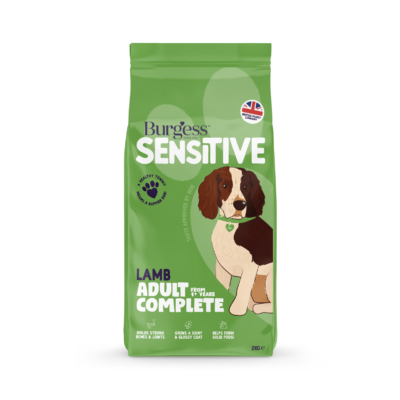
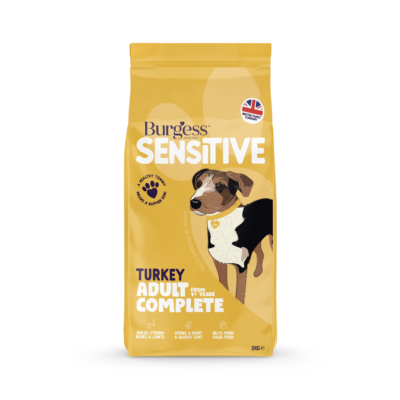
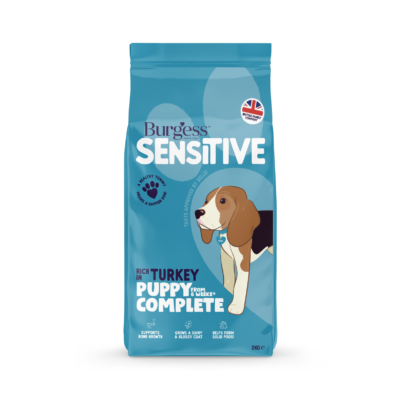
For a healthy, delicious dog diet, choose Burgess Pet Care
So, ‘how often should I bathe my dog?’ The answer is, it depends on what type of dog you have! A lot of it comes down to common sense - if you’ve noticed your dog is particularly smelly or is covered in mud, it’s definitely time for a bath. Keep up with a regular grooming routine so that you’re not over-bathing them, and above all, ensure they’re being fed a healthy diet.
Here at Burgess Pet Care, we want your dog to feel healthy and happy all year round. Check out our specialist care dog food, specifically designed to nourish your pooch from the inside out. Or read our dog care guides for more information and advice.
Need more tips? Get in touch with our expert team, who will be more than happy to chat to you about all things dog related!
Featured products
You may also like to read...
Blog categories

Dogs

Cats

Rabbits

Guinea pigs