

Deciding to add a small furry friend to your family is an exciting moment, but it’s essential you choose a pet that will suit your home and lifestyle. Our mini small pet profiles can help you make the right choice.

Expert approved
Dr Suzanne Moyes MVB, MRCVS
4th December 2025
When it comes to choosing small pet friends, there are all sorts of wonderful animals to consider – from rabbits and guinea pigs and hamsters, to chinchillas, degus and gerbils, and mice, rats and ferrets. But how do you decide which type of small pet will be the best match for you?
In this blog, we’ll be covering:
- Key considerations before getting a new small pet
- Mini pet profiles of rabbits, guinea pigs, chinchillas, degus, hamsters, gerbils, mice, rats and ferrets
- Advice on where to get a small pet, including a checklist, compiled by vets
“Small pets come in all different shapes and sizes and sometimes it’s hard to know which one is right for you and your family,” says animal wellbeing charity Blue Cross.
Key things to consider include do you have enough space to provide them with an enriching environment? Do you want a pet that’s active during the day? Would you like a pet that enjoys being handled?
Small pets require a lot of care
You also need to think about what the small pet’s needs are and if you’ll be able to meet them. While they may be small in size, caring for them correctly is a big responsibility.
“Small pets like rabbits, guinea pigs, rats, mice, and hamsters can be wonderful additions to your home, but they're also a significant commitment,” advises veterinary charity PDSA. “It's crucial to do your research. Careful consideration is essential to choose the best pet for you and your family. Ensure you can provide everything they need to thrive. If you can meet their requirements, and they can fulfil your needs, you're likely to be a perfect match.”
“Small animals, although often thought of as simple first pets, require as much care and attention as cats and dogs,” adds rehoming charity Raystede. “Each species has its own unique and complex needs, and requires the right accommodation, nutrition, enrichment, and company.”
Small pets need their own friends
For many small pets, the key to happiness is companionship, which means in most cases, you’ll be adding more than one small pet to your family.
“Most small animals, with the exception of hamsters, thrive on companionship and should be kept in pairs or groups,” advises Raystede. “They are naturally nervous and feel safer and more secure in the company of their own kind. It’s a joy to see them playing, snuggling and grooming each other.”
Adult supervision is a must
Importantly, if the small animals are to be children’s pets, an adult still has to be responsible for their overall care and wellbeing as this is too much for young children to cope with on their own.
Raystede says: “Getting a small animal is a big commitment. If you're getting animals as family pets, remember you will mainly be responsible for their care. Supervision is crucial for teaching children safe interactions with animals.”
How long will you have your small pets for?
Another thing to bear in mind is how long a small pet will live. For example, guinea pigs are popular pets for children, but will their interest in their chatty little pals wane, Toy Story style, as they get older?
“Consideration needs to be given to their fairly long lifespan, which can be up to seven years,” says Blue Cross. “If you are buying them for your children, please consider whether they will still be interested in seven years’ time. Many animals end up in rehoming centres such as Blue Cross because children reach an age when their priorities change.”
“When considering a small animal, it’s important to recognise that their lifespans can vary significantly,” adds Raystede. Some may only be with you for a few years, while others could be your companions for over a decade. Think about how long you are willing to commit and how much time you’re able to dedicate to a new furry friend.”
- Mice, hamsters, gerbils and rats have shorter lifespans, typically ranging from 1 to 3 years
- Degus live a bit longer, around 5 to 8 years
- Guinea pigs generally enjoy 5 to 7 years of life
- Ferrets’ average lifespan is 6 to 10 years
- Rabbits can be with you for 8 to 12 years
- Chinchillas have the potential to live the longest, often reaching 15 to 20 years
Do you have the time looking after small pets requires?
Before getting small animal friends, it’s essential to think about how much time you can commit to their care.
“Daily, you'll need to feed your animals, check if they are healthy and spot-clean their enclosure. Weekly, you'll need to thoroughly clean their enclosure, including all their enrichment items.Spending time with your animal is very important for their happiness and health, and it deepens the bond with your pet,” advises Raystede.
Keep reading to discover our mini small pet profiles of rabbits, guinea pigs, chinchillas, degus, hamsters, gerbils, mice, rats and ferrets – but first check out PDSA’s important considerations before getting a new small pet:
- Who will be your pet's main carer? In the UK, you must be over 16 to legally own a pet. Therefore, it's essential that an adult is ultimately responsible for your pet's care. Children can learn a lot from pets but should never be their primary carer and should always be supervised around them.
- How much space do you have? Most small pets need a much larger living space than you might think, and many enclosures sold in pet shops aren't nearly big enough. Your pets need to be able to behave as they would in the wild, such as playing, climbing, burrowing, tunnelling, exploring, and foraging. The bigger the space, the better. Nowadays, many people choose to build their own enclosures to provide their pets with enough space.
- How much do you want to handle your pet? Some species love being handled, such as rats and ferrets. Others prefer to be stroked on the ground, like guinea pigs and rabbits. Some just prefer to be left to their own mischievous devices and take the occasional treat from your hand, such as mice, hamsters, chinchillas, and gerbils.
Rabbits, guinea pigs, chinchillas, degus, hamsters, gerbils, mice, rats or ferrets? Check out our small pet profiles to find your perfect match!
RABBITS
- Lifespan: 8-12 years
- Living space: Bunnies need lots of space to stretch, hop, stand up and run around. A hutch is not enough for these adventurous and playful animals! A converted shed or Wendy house is much more suitable.
- Handling: Most rabbits aren’t fond of being picked up, but they love attention, so are happy to be stroked and fed by hand. They’re great to watch while they explore and often like to play with toys.
- Sleep patterns: Most active at dawn and dusk, bunnies like to take regular naps throughout the day and night.
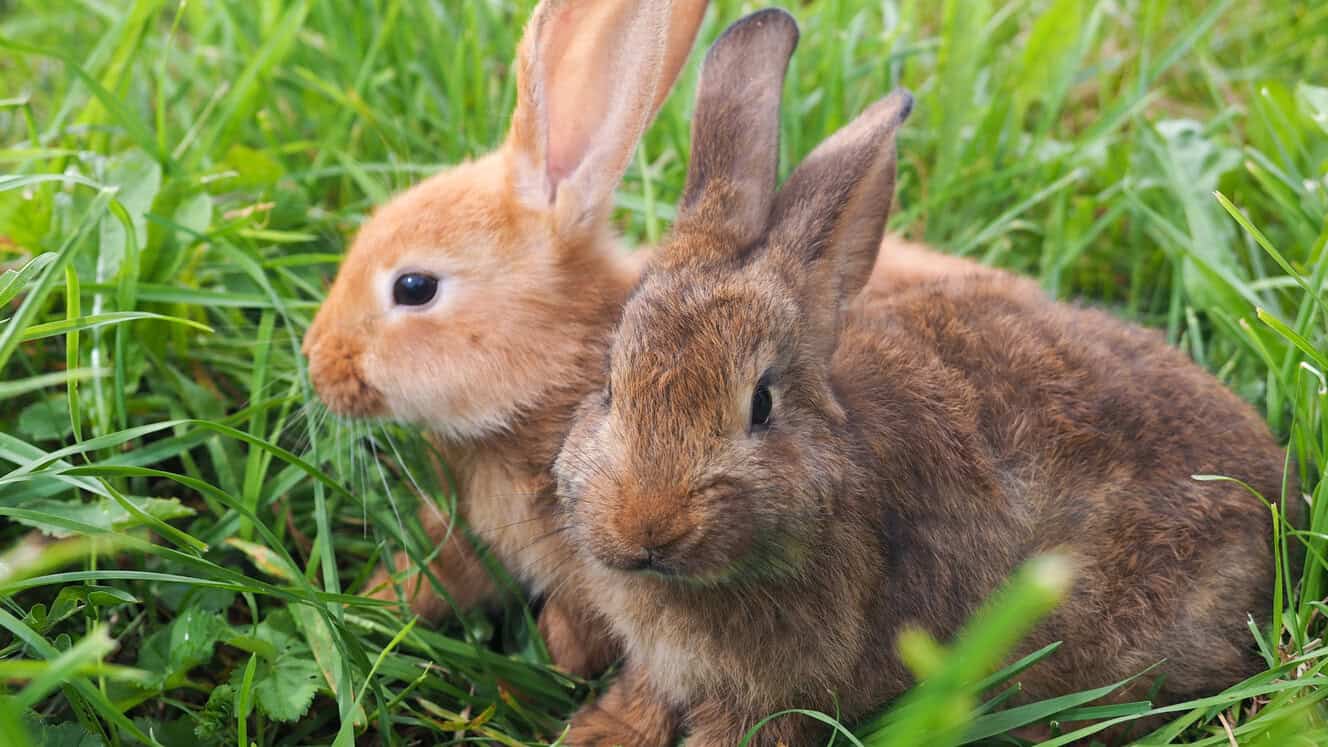
- Companionship: Rabbits are extremely sociable so always need to live in pairs or small groups. The best pairings tend to be a neutered male and neutered female.
Blue Cross says: “Rabbits are prey animals and need to be ready to run from danger at all times. Those rabbits kept only in hutches have nowhere to feel secure and when a child tries to lift them from the hutch, the rabbit may try to scratch, kick or bite to get away from perceived danger. Children can be disappointed when they find their rabbits are not keen to be picked up and cuddled. They do make good companions for children as long as their accommodation is correct, and the handling is done with sensitivity and under adult supervision.”
- What do rabbits really, really want? If they could speak human, here are 8 things they’d tell us! >>
- What do rabbits eat? Check out our rabbit nutrition guide >>
GUINEA PIGS
- Lifespan: 5-7 years
- Living space: Guinea pigs need lots of space to explore and lots of things to keep them busy.
- Handling: Guinea pigs don’t usually enjoy being picked up but are often very happy to be stroked and fed by hand. They are entertaining to watch and often show excitement – particularly at feeding time – by jumping and squeaking.
- Sleep patterns: Most active at dawn and dusk, guinea pigs take regular naps throughout the day and night.
- Companionship: These social creatures need to be kept in pairs or small groups – they get lonely and stressed living by themselves. Two females or a female and a neutered male make good pairings.
Blue Cross advises: “Guinea pigs can make good companions for adults and children. They are fun to watch and have a varied vocabulary. Once you get to know them it is possible to tell when they are happy, sad, excited or angry. They are not happy just to be left in a hutch at the bottom of the garden but need shelter from all extremes of weather and a run where they can graze freely, safe from predators. It’s vital that they are with another of their own kind. Gentle by nature, guinea pigs can be a good first-time companion for a child (as long as there is considerable parental interest).”
- The secret to healthy, happy guinea pigs? See things from their perspective >>
- What do guinea pigs eat? Check out our guinea pig nutrition guide >>
CHINCHILLAS
- Lifespan: Up to 15 years
- Living space: Chins are highly active so need a very large living space. They also have some specific housing requirements such as shelving, nest boxes and dust baths, and specific nutrition needs.
- Handling: Chins don’t tend to enjoy being picked up, but if you’re patient and gain their trust, they might take treats from your hand. Providing them with an interesting set-up will provide hours of fun watching them exploring and jumping around.
- Sleep patterns: Asleep during the day and awake at night, chins often make a fair bit of noise as they play, eat and explore!
- Companionship: Chins need to be kept in same sex or neutered pairs – they get lonely and stressed if kept on their own.
Blue Cross says: “If housed and handled correctly, chinchillas make intelligent, happy and interesting companions. When you know them well and they are happy in their homes, they can be taught to do basic tricks in order to earn a treat! Chinchillas need a very large cage plus a dust bath (this is essential for their mental and physical wellbeing). They are enthusiastic dust bathers and do make quite a lot of mess! Chinchillas need to live with a companion – either a female with a neutered male, or littermates of the same sex (they will usually live harmoniously as long as they have been together since birth).” Raystede adds: “Chinchillas also require at least one hour of exercise each day outside their cage in a secure room where they can jump, explore and exhibit their natural behaviours. A dedicated play space is essential to allow them to stretch their legs and let off some steam.”
- The ultimate guide to happy, chilled chinchillas >>
- What do chinchillas eat? Check out our chinchilla nutrition guide >>
DEGUS
- Lifespan: 5-8 years
- Living space: Active degus need lots of space, things to climb on, places to dig and safe things to chew, along with nest boxes, tunnels and exercise wheels.
- Handling: They can be shy, so need quiet and gentle handling from a young age. Always hold them close to the ground for safety and never pick a degu up by its tail.
- Sleep patterns: Degus are active during the day and sleep at night.
- Companionship: Very sociable degus need to be kept in pairs or small groups, or they’ll get lonely and stressed. Give them plenty of space and resources so they can live happily together.
PDSA says: “Degus are lively and entertaining creatures that can make great little pets for the right owner. Like many other small mammals, they don’t like being handled or picked up. But if you’re patient, it’s likely they’ll take a treat from your hand. Degus are diurnal, meaning they are awake during the day and asleep at night. They can also be very vocal – squeaking and chirruping throughout the day. Degus are social pets that need the company of other degus to be truly happy. You’ll need to keep your degus in pairs or small groups. To limit the risk of fighting, stick to same sex groups or one castrated male with one or more females. Degus are lively creatures that need lots of space! Ideally the bigger the cage the better. A tall multi-level cage is the best option, as degus love to climb.”
- The ultimate guide to happy, healthy degus >>
- What do degus eat? Check out our degu nutrition guide >>
HAMSTERS
- Lifespan: 18-36 months (Syrian hamsters tend to live longer than dwarf hamsters)
- Living space: They may be small, but hamsters need a very large space for tunnelling in deep bedding, hoarding food and nesting. Most hamster cages sold in pet shops are not nearly big enough to keep a hamster happy and healthy.
- Handling: Hamsters, particularly dwarf varieties, don’t enjoy being picked up, but if you’re patient and they gain your trust, they may take treats from your hand. You can have hours of fun building them interesting set-ups to explore as they are great to watch.
- Sleep patterns: Hamsters sleep in the day and are awake in the evening, night-time and early morning. They don’t like being woken up!
- Companionship: Hamsters need to live alone. They don’t get lonely – living in pairs or groups usually leads to fighting.
Blue Cross says: “Hamsters are fun and active pets. They are nocturnal which means they can be a disappointing pet for children because they’re fast asleep during the day and then they emerge just when it’s time for bed. If they are disturbed from sleep, they may bite, and their eyesight isn’t great, so they’re easily startled by sudden movements.”
GERBILS
- Lifespan: 2-4 years
- Living space: These lively, fast-moving rodents love to dig, tunnel and climb around a large living space with lots of deep bedding. You can have hours of fun building them an interesting set-up to explore.
- Handling: Gerbils don’t tend to enjoy being picked up and will bite if frightened, although they might jump into your hand to take a treat!
- Sleep patterns: Most active at night, gerbils often sleep during the day.
- Companionship: Gerbils need to be kept in pairs or small groups that have grown up together – they get lonely and stressed living alone. Males and females should be kept apart to avoid unwanted pregnancies.
Blue Cross says: “Gerbils are great fun to watch. They are burrowing animals by nature, and they spend hours digging for pleasure which can be captivating! Because they’re quick and agile, young children can find it quite difficult to hold them without squeezing too hard so they’re generally more interesting to watch than to handle.”
MICE
- Lifespan: 1-3 years
- Living space: Fast and lively mice need a large living space.
- Handling: Like many small pets, mice don’t tend to enjoy being picked up, but if you’re patient and build their trust, they might take treats from your hand. You can have hours of fun building them an interesting set-up to explore and enjoy watching them play.
- Sleep patterns: Naturally nocturnal and asleep during the day, pet mice can adapt to a new routine.
- Companionship: Pet mice need to live in same sex pairs or small groups. Mice are very sociable and get bored, lonely and stressed living alone.
Blue Cross says: “Mice are natural explorers and can provide hours of fun to watch as they climb rope and dash through tunnels. Mice are usually friendly, and they rarely bite but, because they’re so small and quick, it can be difficult for small children to hold them.”
- The ultimate guide to happy pet mice >>
- What do mice eat? A balanced food that replicates their natural diet will help them stay happy and healthy >>
RATS
- Lifespan: 2-3 years
- Living space: Pet rats need a very large space to climb, sleep, run, play and explore.
- Handling: If introduced to humans at a young age, pet rats enjoy being handled. In fact, if not handled enough, they can get lonely and depressed, so you’ll need to spend plenty of time with these highly intelligent animals.
- Sleep patterns: Rats are creatures of the night and it’s natural for them to sleep in the day and become active after dark. However, pet rats often adapt their sleep pattern to spend quality time with their owners.
- Companionship: Highly social, pet rats need to live in neutered pairs or small groups – they get bored and depressed living alone.
Blue Cross says: “Rats absolutely love social interaction, and they can make great pets for both adults and children. They get very depressed if they are left without attention. Rats need more cage space than mice, hamsters or gerbils and they also like to have a few levels, so you’ll need to make sure there’s enough room.” Raystede adds: “The small animals that most enjoy your company are rats! It's particularly important to provide them with time outside their cage in a safe, supervised area, allowing them to explore and engage with their environment. These curious creatures thrive on human interaction, which provides a vital form of enrichment for their mental and emotional wellbeing – teach them a trick for a tasty treat!”
FERRETS
- Lifespan: 6-10 years
- Living space: When they’re awake, ferrets are extremely active and so need a very large living space with lots of interesting places to run, climb, sleep, play and explore.
- Handling: Fun, sociable ferrets tend to enjoy being picked up and getting attention from their human. Most will chase toys in a similar way to cats.
- Sleep patterns: Ferrets enjoy regular naps throughout the day and night.
- Companionship: Ferrets need to be kept in pairs or groups because they get lonely and stressed by themselves. You can mix males and females, but you will need to speak to your vet about neutering to prevent unwanted pregnancies.
PDSA says: “Ferrets can make great pets if you’re looking for fun, inquisitive, sociable companions. They need a very large living space (usually custom built) with plenty of things to do. They tend to enjoy attention from their owners and being picked up for cuddles. They sleep for up to 20 hours a day but will quickly learn your daily routine and play in the morning and evenings. They have a distinctive smell that some people find off-putting, although this can be reduced by neutering. They are often very friendly if they’ve been handled from a young age but can give a very hard bite if they feel threatened. If you have lots of time to spend playing and interacting with your pet, a ferret could be perfect for you.”
- The ultimate guide to happy, healthy ferrets >>
- What do ferrets eat? Check out our ferret nutrition guide >>
Where to get a small pet?
“Please be sure that when buying any small animal for yourself or your children you always use a reputable breeder,” advises Blue Cross. “Make sure the animals have been sexed properly and are of the right age to leave their mothers. Never buy animals from pet shops unwilling to spend time with you making sure you understand the commitment being taken on.”
“A pet that’s had a good start in life is much more likely to be healthy and happy in the future,” adds PDSA. “Ideally, we recommend rehoming from a well-known reputable rehoming centre such as Blue Cross, RSPCA, or Woodgreen. These charities ensure that all animals in their care have been properly health-checked, and their staff are specially trained to help match you with your perfect pet.”
PDSA vets have put together a checklist for buying small pets:
- All animals should be living in a clean environment.
- All animals should have a suitable living space, appropriate bedding, sleeping areas, and (depending on species) items such as dust baths.
- All animals should look bright and alert when awake.
- All pets should look healthy – they should not have any discharge around their eyes, nose, ears or bottom.
- All pets should have been gently handled from a young age (or as young as possible) to get them used to people. However, some pets may never be comfortable being handled and the rehoming organisation should let you know if this is the case.
PDSA’s Pet Wise quiz can help you choose the right pet for you >>
Rehoming charity Woodgreen adds: “Many of our small pets are social species (hamsters excluded). It’s important for their wellbeing that they are able to live with companions. If this would be your first small pet, we would be looking to rehome you a pair or group of the same species (other than hamsters). This ensures that their companionship needs are met in their new home. If you currently have a single pet (other than a hamster), we are able to rehome one or more pets of the same species (where appropriate) to keep your existing pet company. You are also welcome to take advantage of our mixing service, which involves our team arranging introductions between the pets at our centre.”
Watch Woodgreen’s video on what to think about when getting a small pet >>
SERVE UP ONLY THE VERY BEST DINNER FOR YOUR SMALL PETS!
Our small pets deserve a high-quality diet that’s created just for them. At Burgess, all our food for small pets is made at our factory in the heart of Yorkshire, using only ingredients that meet our stringent specifications.
With a long tradition of supporting British farmers, we actively source all our ingredients as close to our mill as possible and have launched many innovations.
*It’s no surprise that 92% of UK vets recommend our Burgess Excel small pets range!*
CARE MORE Find lots of useful advice on caring for your pets from Burgess, the pet care experts >>
Join the Burgess Pet Club for exclusive offers, competitions and expert advice from our in-house vet, Dr Suzanne Moyes.
12 facts you may not know about Burgess Pet Care! >>
If you found this interesting, you may also like:
SMALL PET RESCUE If you’re looking for small pet friends, could a rescue centre be a good place to start? With expert advice on hand, finding your perfect small pet match couldn’t be easier...
WHAT’S THE BEST BEDDING FOR SMALL PETS? Whichever small pets you have, each has different requirements when it comes to creating a cosy, safe snoozing space.
AND SO, TO SLEEP… Are hamsters nocturnal? Do guinea pigs spend more time awake or asleep? Do chinchillas sleep upside down? Do rats only come out at night? Some of our small pets’ sleeping habits seem a little odd to us, but there are some very good reasons why their snoozing patterns are different to ours, which are really rather fascinating...
HOW TO HANDLE SMALL PETS When it comes to being handled, different small pets have very different opinions. Some soon learn to enjoy it – particularly if there are some tasty treats involved! Others are not quite so keen.
BONDING WITH YOUR SMALL PETS Handfeeding is a great way to build a closer bond with small animals. It takes time to build trust, but when your little friend finally feels confident enough to take a treat from your hand, it’s a special moment.
SPRING CLEANING? WHY GOOD HOUSEKEEPING IS A SMALL PET ESSENTIAL Keeping your small pets’ home clean, tidy and hygienic will discourage pests from making an unwanted appearance and help keep your small furry friends healthy and happy.
FINDING A VET FOR YOUR SMALL PETS Did you know that just like hospital specialists, vets have different areas of expertise? That’s why, if you have small pets, it can be a good idea to seek out a vet that specialises in small animal medicine.
HELP YOUR SMALL PETS GET SET FOR WINTER We’ve got lots of great advice and top tips to help your small furries stay warm and snug during the colder months of the year.
WILD AT HEART Inside every pampered small pet is the desire to exhibit their natural behaviours, which reveal their wild origins. It’s the reason why bunnies want to dig and burrow, guinea pigs like to keep a watchful eye from a safe hiding place, hamsters stuff food in their cheek pouches and chinchillas prefer to sleep hunched up. Find out more about the fascinating behaviours of some of our favourite small furries.
NEW PETS ON THE BLOCK? From dogs to degus, cats to chinchillas, guinea pigs to gerbils, ferrets to fancy rats – when did these awesome, amazing animals become our furry companions?
HOW TO TELL IF YOU HAVE A HAPPY PET Wheek-wheeking, bruxing, dooking, chirping, binkying, popcorning – there are all sorts of ways our pets tell us they’re feeling good, once you know what to look for...
THE UK’S TRENDIEST SMALL PET NAMES From rabbits to guinea pigs, pet rats, mice, gerbils and hamsters to chinchillas, degus and ferrets, when it comes to naming your small pets, how do you choose a name that suits their beguiling looks, sweet personalities and adorable ways?
DO YOUR SMALL PETS HAVE THE RIGHT TO ROAM? While providing your small pets with secure, accommodation that’s suitable for their species is all-important, small furries also benefit from having the opportunity to explore and exercise outside their main housing in an appropriate setting.
SMALL PET MUMS ARE BIG ON LOVE Let’s celebrate small pet mums for the amazing job they do bringing up their tiny babies!
WHAT PUTS YOUR SMALL PETS IN A GOOD MOOD? Along with socialising with their same species companion and interacting with their favourite human, our survey reveals the best thing you can to do to give your small furries a happiness boost…
BIG IDEAS FOR SMALL PETS Enriching the lives of our small animals will help them lead their best pet lives. We’ve lots of ideas for things you can introduce to keep things interesting for small furries.
COST EFFECTIVE WAYS TO LOOK AFTER YOUR SMALL PETS How to create DIY boredom breakers and ways to upcycle old furniture and unwanted items from around the house into interesting features for your pets’ environment.
Blog categories

Dogs

Cats

Rabbits

Guinea pigs