
Are Greyhounds good pets? Do they need lots of space and loads of exercise? Are Greyhounds affectionate? Are Greyhounds good with children? Do Greyhounds get on with other pets? Do Greyhounds sleep a lot? Why do Greyhounds need to wear a jacket? We have all the answers to your Greyhound questions!

Expert approved
Dr Suzanne Moyes MVB, MRCVS
27th May 2026
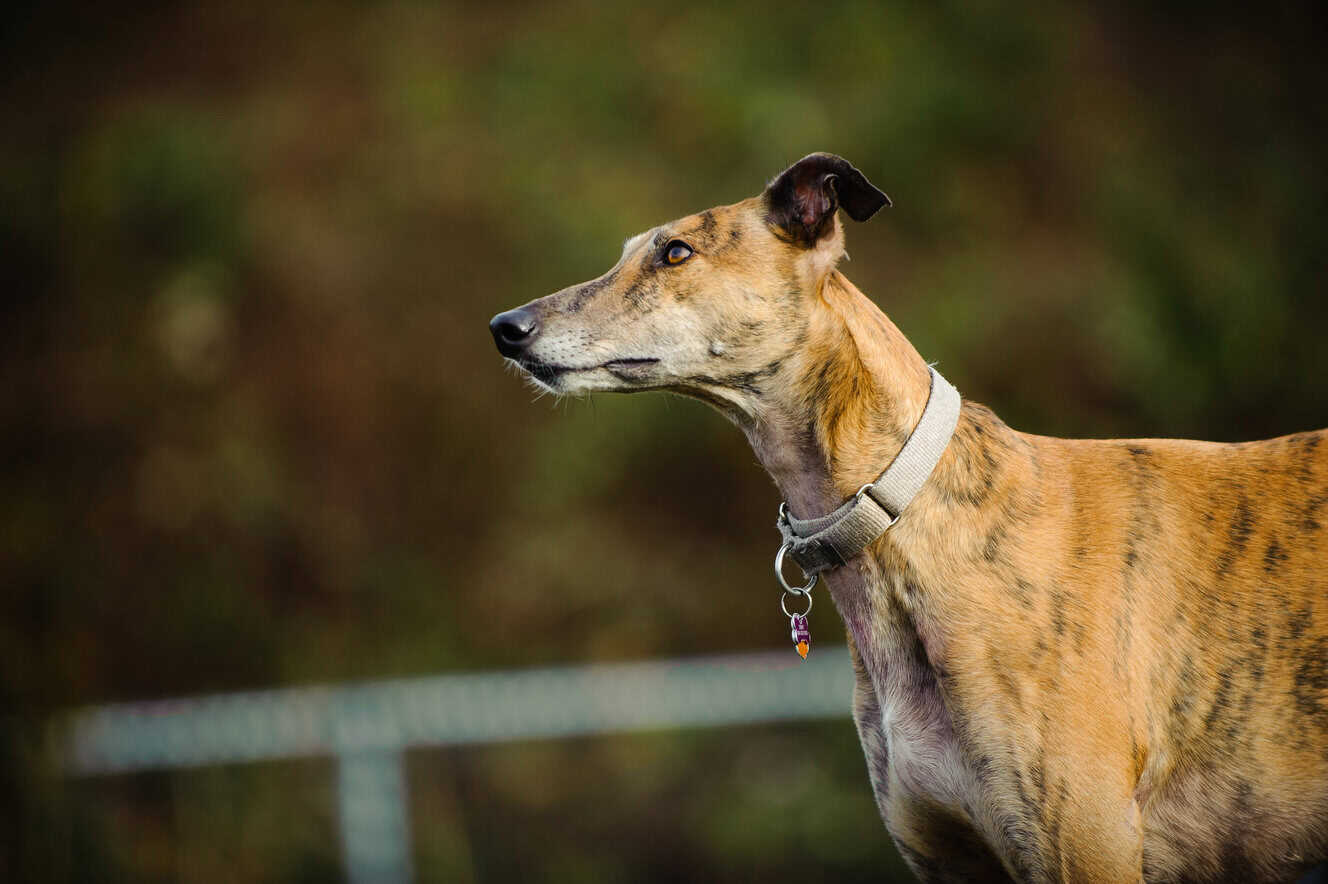
Historically, the dog of kings, long-legged, loving and loyal Greyhounds are rightly moving away from the racetrack to become increasingly popular pet companions.
“When people think of Greyhounds, they often conjure up images of super-fast, competitive dogs speeding off in pursuit of a small, fluffy animal. So, it’s no surprise that we assume these dogs are high maintenance, aloof and need huge amounts of exercise. But when it comes to Greyhounds and their crossbreed, the Lurcher, this could not be further from the truth,” states animal wellbeing charity Blue Cross. “All dogs are different, but as a rule, Greyhounds are extremely gentle with people and make excellent pets.”
“The Greyhound has sealed its place in our affections with their lithe, handsome good looks and lovable natures,” enthuses Your Dog. “They are intelligent, gentle, affectionate, and even-tempered.”
“Greyhounds love nothing more than curling up in a comfy spot,” adds Ciara Pollen, Behaviour and Training Advisor at rehoming charity Woodgreen. “Don’t let their history as racing dogs fool you – they're surprisingly calm indoors and known to be ‘couch potatoes’. But when they see something small and fast – whether it’s an animal or a toy, they certainly take notice!”
Where do Greyhounds come from?
Greyhounds are among the oldest dog breeds, with long-legged hounds depicted on the walls of ancient Egyptian tombs and in cave art dating back thousands of years in Turkey and Algeria.
“These dogs with athletic, streamlined bodies and acute sight were soon popular throughout Europe for their hunting prowess,” explains the Royal Kennel Club. “The Greyhound was developed in Britain, and in the Middle Ages, a law was passed stating that only royalty and nobility could hunt with Greyhounds, such was their prestige.”
Do Greyhounds need lots of exercise?
Contrary to what many people believe, while Greyhounds need daily walks, they don’t require tons of exercise. “I have met so many people who have assumed that they need lots of exercise every day, but they do not,” says owner and enthusiast Steve, of rescue and rehoming charity National Animal Welfare Trust. “They have large muscles, and they are used for short bursts of energy. Watching a Greyhound doing ‘zoomies’ around your garden is just fantastic, but after two minutes, all they want to do is sleep. I think they are ideal for most households, young and old.”
What’s the best food for Greyhounds? >>
Understanding what makes your Greyhound tick will help you give them everything they need to love life! Read on to discover more about:
- GREYHOUND PERSONALITY PROFILE
- IS MY HOME SUITABLE FOR A GREYHOUND?
- HOW MUCH EXERCISE DOES A GREYHOUND NEED?
- WHAT SHOULD I FEED A GREYHOUND?
- HOW MUCH GROOMING DOES A GREYHOUND NEED?
- WHAT’S THE BEST WAY TO TRAIN A GREYHOUND?
- GETTING A GREYHOUND
GREYHOUND PERSONALITY PROFILE
If you want a snuggly sofa buddy with gentle ways who simply adores you, then it’s time to get a Greyhound into your life!
“Greyhounds are known for their sweet and gentle nature. They love snuggling up with their humans, and they can be quite clingy (in a charming way). Don’t be surprised if your Greyhound becomes your shadow. They adore their humans (but won’t smother you). This means they can struggle when left alone and prefer to have company for most of the day,” advises Woodgreen’s Dog Behaviour and Training Expert, Sue Ketland.
“Friendly and non-aggressive, Greyhounds have a wonderful temperament, but their sensitive side makes them best suited to quieter, calmer homes,” adds insurer Petplan.
A dog with a sixth sense
“They are beautiful dogs and suit our nature perfectly,” reports Greyhound owner Steve. “They are generally quiet (we have never had a ‘yappy’ Greyhound), sleep most of the time, walk well on the lead (most of the time), and are usually amazing with children, in fact, people of all ages. They seem to have a sixth sense – if someone is upset or has disabilities or fears dogs, they become so gentle and understanding, it often moves me to tears to see how they adapt to any situation.”
While each breed has certain identifiable traits, it’s important to remember that every dog is unique. Dogs Trust advises: “Just like you, every dog is an individual with their own personality and prior experiences. So, every Greyhound temperament is different. As dogs grow from puppies, they learn all about the world. They develop their own likes and dislikes and learn to respond to situations in different ways. For example, some dogs might like meeting other dogs, and some may not. Some might like new experiences, and others may need to go slowly.”
10 things every would-be Greyhound or Lurcher guardian should know >>
IS MY HOME SUITABLE FOR A GREYHOUND?
To create a perfect canine/human partnership, it’s vital to think about what kind of energy and temperament you’d like your four-pawed friend to have so you’re a good match for each other – and that you can provide a suitable environment.
“Greyhounds live most happily in a calm, loving home with access to a secure garden for short sprints,” advises Sue Ketland. “They’ll be comfortable in a flat or house as long as they get their exercise needs met. A comfy bed (or sofa) is non-negotiable – Greyhounds are experts in comfort!”
“They tend to be quite large dogs and can be a bit clumsy, knocking into things when walking around the house,” notes owner Steve. “Greyhounds can jump quite high when they want to, so please make sure that your garden is secure.”
Greyhounds don’t like to be left home alone for too long
Greyhounds love lots of attention but tend to be more independent than some other dog breeds. “This breed is less prone to separation anxiety and makes an ideal pet if you’re likely to be out and about a little more,” notes Petplan. “However, your Greyhound will love spending time with you, and you should make sure they’re not alone for more than a few hours at a time.”
Greyhounds and children
“Greyhounds can be wonderful family dogs,” says Sue Ketland. “Despite their size, they’re quite sensitive in nature (medium to large dogs are generally known to be more confident). This means they’re happiest in homes with understanding, dog-savvy children who know how to interact with them gently. Like all dogs, it’s important to actively supervise Greyhounds around children to prevent any accidents or inappropriate interactions.”
“Greyhounds are known to be very gentle dogs, making them ideal companions for children,” adds Petplan. “They tend to be very tolerant and will allow children to handle them, but some dogs may find boisterous play too much.”
The family dog – making it work for pets and children >>
Greyhounds and other pets
If you have cats or small furries, a Greyhound may not be a good fit for your household.
“Their natural prey drive means they’re not completely trustworthy around small pets like rabbits or guinea pigs – even if introduced to them as puppies,” advises Sue Ketland. “But they’re usually very social with other dogs, especially other Sighthounds who look and act similarly to them.”
“As they are bred to chase, Greyhounds are not well suited to homes with cats or other small pets that they will see as ‘prey’,” notes Petplan. “Greyhounds will instinctively chase smaller animals, including other dogs, so bear this in mind if you’re considering a Greyhound alongside other pets.”
However, Greyhound Protection UK, a non-profit organisation dedicated to the rescue and rehoming of Greyhounds in need, says: “It’s a myth that Greyhounds cannot live with other animals, like cats, or other small breeds of dogs. We have plenty of adopters who have Greyhounds that live with cats, chickens and small fluffy dogs. We will cat test the Greyhounds we have in our care if we think that they would be suitable.”
“Greyhounds are naturally gentle dogs, but as ‘sight hounds’ they will usually have an inbuilt desire to chase moving objects,” adds the National Animal Welfare Trust. “It’s important to remember that, just like all dogs, each Greyhound is an individual – so while some of them may not be able to live with cats and other small animals, others may see them as companions.”
Which breed of dog is the right fit for you and the place that you live? >>
HOW MUCH EXERCISE DOES A GREYHOUND NEED?
If you enjoy a regular daily stroll to get some fresh air, can search out access to a spacious, secure exercise area and are not particularly fond of chilly, wet weather, a Greyhound could be your doggy soulmate.
Despite their athletic build and history as racing dogs, Greyhounds only need around 30–60 minutes of calm exercise each day. And, due to their strong prey drive (hunting instinct), it’s recommended to keep Greyhounds on-lead unless they’re in a fully fenced area.
“As they’re bred to run at speeds of over 40mph, this should ideally include a chance to sprint in a secure area,” says Sue Ketland. “It’s very challenging to teach Greyhounds to come back when they catch sight of something fun to chase. They’ll naturally follow their instinct and struggle to listen to you. Seek out an enclosed dog field with fencing that’s at least six foot tall, and they won’t be able to go too far!”
“As sprinters, Greyhounds prefer to use their energy in bursts, so two shorter, active walks per day is the ideal,” recommends Petplan. “Try a game of ‘tag’. Whilst your Greyhound will almost certainly outrun you, they will love the interaction and playing chase. It’s also a great way for you both to keep fit!”
Be aware that this breed hates cold and wet weather, and your Greyhound is likely to be reluctant to go for walks when it’s raining. These slender, short-coated dogs really feel the cold, so you’ll need to invest in a cosy, waterproof coat for the colder months. “Once back home, these dogs become couch potatoes and will seek out warm sun-patches around your house,” adds Sue Ketland.
How much exercise do different dog breeds need? >>
WHAT SHOULD I FEED A GREYHOUND?
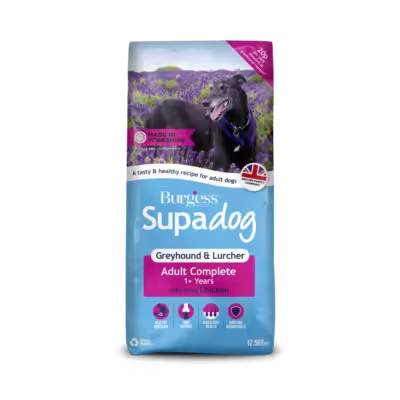
Greyhounds can benefit from a diet that’s been created just for them. Burgess Supadog Greyhound & Lurcher food has been specially formulated to support the specific nutritional needs of these wonderful dogs.
Burgess in-house vet, Dr Suzanne Moyes MVB MRCVS, who oversees recipe development and product production, advises: “Each tasty nugget contains glucosamine to help stiff joints and overworked legs, Omega 3, which is beneficial in helping temperature regulation and for promoting a glossy coat and healthy skin, along with prebiotics to help digestive health.”
Suitable to feed from 12 months, this carefully balanced recipe, rich in easy-to-digest chicken, features a slightly lower level of protein, as too much may cause anxiety and hyperactivity. Plus, for every bag purchased, Burgess donates 20p to Greyhound and Lurcher rescue charities across the UK in the form of free food.
Greyhound feeding tips
- Split your Greyhound’s daily allowance into two meals and try to feed your dog at the same time every day, as canines like routine.
- Measure out precise portion sizes. Recommended feeding amounts can be found on dog food packaging, but always ask your vet if you’re not sure.
- Giving your dog a little more than they need means they could become overweight. If you don’t feed enough, your dog will not get all the nutrients they need and will become underweight.
- Remember to leave a gap after eating and before exercising. This is particularly important with Greyhounds as they can be at risk of bloat – an extremely serious condition that happens when a dog’s stomach expands and then twists around itself.
- If you give your dog the occasional treat or use treats for training, remember to take this into account and reduce their daily allowance. Treats shouldn’t make up more than 10% of their daily calorie intake, as this can unbalance their diet
Human food that you should never give to dogs >>
HOW MUCH GROOMING DOES A GREYHOUND NEED?
With their short, smooth coat, Greyhounds are easy to groom. And, despite their name, these leggy lovelies come in a variety of colours, including fawn, black, red, blue, grey, white, parti-colour and brindle.
“Greyhounds have short, low-maintenance coats that need brushing just once a week to remove loose hair,” says Sue Ketland. “Whilst they’re moderate shedders, regular brushing will keep them in tip-top condition and reduce further shedding.”
“As a breed, Greyhounds can be prone to dental problems, so grooming should include regular teeth brushing and dental checks with the vet,” advises Petplan.
WHAT’S THE BEST WAY TO TRAIN A GREYHOUND?
When it comes to training any dog, it’s all about creating a positive learning experience, so they’re keen to learn and grow in confidence, which can be both a little challenging and hugely rewarding with Greyhounds.
“Greyhounds are independent thinkers, so they won’t win any awards for obedience!” says Ciara Pollen. “But they’re charismatic and make deep bonds with their humans.”
“Greyhounds are moderately easy to train because of their gentle and easy-going nature,” adds Sue Ketland. “But, as they’re Sighthounds, they find learning certain skills like ‘sit’ and ‘recall’ very difficult. They benefit from shorter, more regular training sessions, so they don’t get bored. For success, you’ll need patience and tasty treats, or even a toy to chase as a reward.”
Be aware that because of their physical make-up, Greyhounds usually can’t sit. “Due to their sinewy bodies, Greyhounds struggle to ‘sit’, so teaching them the ‘stay’ or ‘lie down’ command may be more effective and comfortable for your dog,” suggests Petplan.
“It’s all about positive learning,” says Dogs Trust. “So, find out what your dog loves so you can use this to reward them after a success. Whether it’s treats, toys or lots of praise, training with rewards is the best way for your dog to learn. Learning useful life skills such as recall, loose lead walking, and settling are just as important. This ensures that you and your dog can spend an enjoyable time together, both at home and out and about.”
For expert advice and practical training guidance, visit Dogs Trust Dog School >>
GETTING A GREYHOUND
If you’re planning on getting a Greyhound puppy, only buy from a licensed breeder.
‘Lucy’s Law’, introduced in 2020, states that anyone who wants a new puppy or kitten in England must buy direct from the breeder or adopt from a rescue centre.
Dogs Trust advises: “Whatever the breed, all dogs need basic preventative health care like vaccinations and flea and worming treatments. You’ll also need insurance to help cover the cost of vet bills.”
The comprehensive puppy checklist >>
Alternatively, there are a number of rescue organisations around the country, including Dogs Trust, Woodgreen and Battersea, who would love to hear from you.
Dedicated staff will seek to match you with the right dog for your home and lifestyle and provide you with support and useful information about the breed and how best to settle them in. “Some ex-racing dogs may not have lived in a home before. This means they’ll probably be wary of stairs, need extra help with their housetraining, or find everyday things a bit scary,” notes Sue Ketland.
If you have it in your heart to take on a rescue Greyhound, check out these wonderful organisations: Makants Greyhound Rescue NW, Hector's Greyhound Rescue, Lurcher SOS Lurcher & Sighthound Rescue, Evesham Greyhound & Lurcher Rescue, Greyhound Gap and Forever Hounds Trust.
By choosing a rescue Greyhound, you’ll be giving one of these intelligent, affectionate, life-enhancing dogs a second chance at a happy and fulfilling life.
The best breed of dog is rescue >>
DID YOU KNOW?
Burgess Pet Care has been raising awareness of Greyhounds and Lurchers in need since 2019 via its Greyhound & Lurcher takeover campaign. Along with highlighting the amazing work of rescue charities, this annual event also draws attention to rescue hounds needing happy forever homes. Every year, thousands of pounds worth of Burgess Supadog Greyhound & Lurcher food is delivered by members of the Burgess team to hardworking rescue charities across the UK.
SOMETHING TASTY FOR EVERY DOG – PREMIUM DOG FOOD WITHOUT THE PREMIUM PRICE!
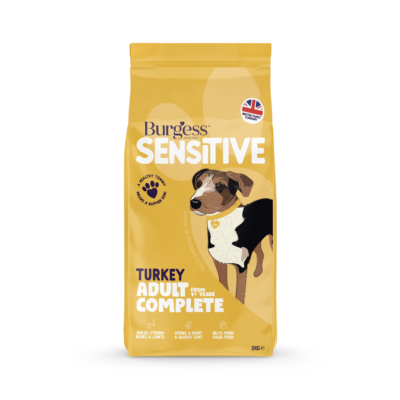
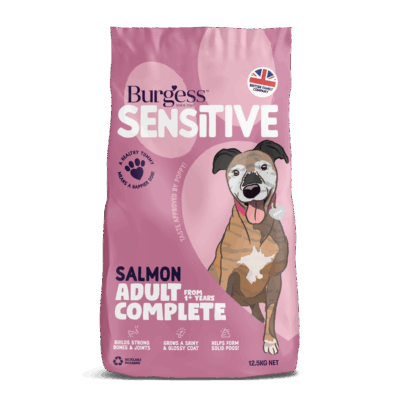
Every dog deserves a first-class dinner from puppy to adult and senior. Burgess Pet Care is a British, family-owned company, and all our dog foods are made using only ingredients that meet our stringent specifications.We’ve also developed foods to meet the specific nutritional needs of sporting and working dogs, Greyhounds and Lurchers and dogs with sensitivities.
GOOD TO KNOW
- COMPLETE NUTRITION Each of the recipes in the Burgess Dog Food range are complete, providing all the nutrients dogs require in the right proportions.
- PORTION CONTROL With dry food, it’s easy to measure out the right-sized portion to help your dog maintain a healthy weight.
- HEALTHY AND SAFE The thorough cooking process ensures that any harmful bacteria, such as salmonella, and viruses are destroyed, and the dry food stays fresh inside the pack.
- TEETH-FRIENDLY Dry dog food has the added benefit of exercising your dog’s chewing muscles and provides a mild cleaning effect on the teeth.
- MADE IN BRITAIN Crafted at Burgess Pet Care’s own factory in the heart of Yorkshire, Burgess Dog Food contains high-quality ingredients that meet stringent specifications, locally sourced wherever possible to support British farmers.
With a whole host of *5 STAR REVIEWS*, our customers have told us:
* “I have been feeding my 5-year-old Greyhound on this for a couple of years; he eats it every time, and there are no digestive issues with it.” * “Excellent product, the Greyhounds love it.” * “Dogs love it, and they have a great coat.” * “Best value Greyhound food, but more importantly, our Grey loves it.” * “A well-balanced food for my sighthounds to keep them in top condition. Always clean bowls.” * “My dog loves this food, that’s why I keep buying it.” * “Have been buying this product for some years now and find it a very good dried food for retired racing Greyhounds.” * “Great, used it ever since I got a rescue Greyhound.” * “My Greyhound absolutely loves it, and I would highly recommend this product.” * “Super quality food at a sensible price.” *
NEED MORE ADVICE?
If you’re at all unsure about the best way of feeding your dog or have any concerns about specific nutritional requirements, ask your local veterinary practice for advice. You can also call our expert team, available 9am-5pm, Monday to Friday, on +44 (0)1405 862241 who’ll be happy to help. Alternatively, use our online contact form to get in touch.
12 fascinating facts you may not know about Burgess Pet Care! >>
Is your dog a Burgess dog? Join the Burgess Pet Club for exclusive offers, competitions and expert advice from our in-house vet, Dr Suzanne Moyes. CARE MORE Find lots of useful advice on caring for your dog from Burgess, the pet experts >>
Featured products
Blog categories
Dogs

Cats

Rabbits
Guinea pigs