
How smart are Poodles? How much exercise do Poodles need? Are Poodles hypoallergenic, and do they need daily grooming? Are Poodles easy to train? How well do Poodles handle being left home alone? Are Poodles suitable for families with children and other pets? We have all the answers to your Poodle questions!

Expert approved
Dr Suzanne Moyes MVB, MRCVS
29th January 2026
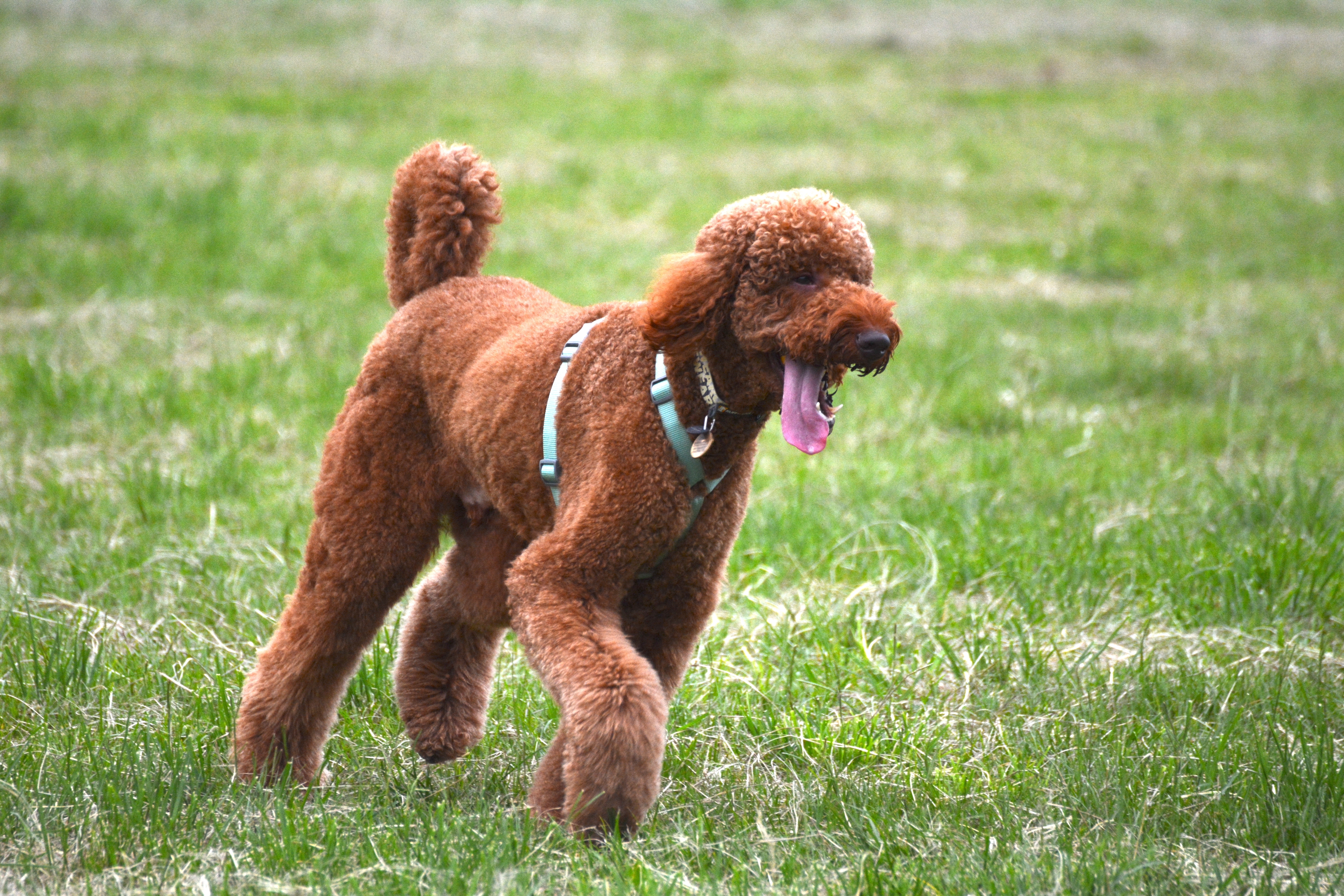
The gloriously glamorous Poodle is an essential element of many popular crossbreeds, including Cockapoos, Cavapoos, Labradoodles and Goldendoodles. And there are many reasons why (beyond their non-shedding coat) they’re a go-to breed. Lively, loving, smart and sassy, Poodles are also one of the cleverest breeds, and one of the most trainable.
Sue Ketland, Dog Behaviour and Training Specialist at rehoming charity Woodgreen, says: “The traditional pom-pom style Poodle haircut can put some people off. But don’t let it fool you into thinking they’re just pretty! They’re super intelligent, affectionate, fun-loving, and outgoing, making them charming (and sometimes cheeky!) dogs to live with – ideal for most families and first-time dog owners.”
“Often associated with the image of a pampered pooch, Poodles are in fact part of the working dog family,” adds insurer Petplan. “They have many sides to their personality, mixing a lively, fun-loving temperament with an alert and responsive nature.”
“Rivalling the Border Collie in intelligence, Poodles are also creative, sensitive, and possess a sense of humour, all amazing qualities once harnessed by consistent and gentle training,” notes breed organisation The Poodle Council.
Where do Poodles come from?
Originating in Germany, Poodles were bred as water retrievers, used by duck hunters, which explains their woolly coat. Their dense, curly hair provides insulation in cold water, traps air for buoyancy, and prevents water from reaching the skin, rather like a natural wetsuit!
It’s also the reason for the striking trims they sport when competing in dog shows. The Kennel Club explains: “The trim, which is sometimes viewed as a fashionable fancy trim for show dogs, is in fact traditional and very practical: the hindquarters being clipped to aid the dog’s propulsion in swimming and the protective bands of hair (now fancifully called pom-poms) left on the joints and tip of the tail for protection from cold.”
“Poodles are natural swimmers and usually love being in the water,” adds Petplan. “In fact, the name Poodle is said to come from the German word, Pudeln, which means to splash.”
What’s the best food for a Poodle puppy? >>
Toy, Miniature or Standard?
Whether you’re a fan of small, medium or large dogs, there’s a Poodle that’s a match for you. These curly-coated, quirky dogs come in three sizes – Toy, Miniature and Standard – which all share similar characteristics.
“All share the same standard,” says The Kennel Club. “The Miniature and the Toy varieties are a result of scaling down and capturing the same features in a smaller mould.”
Poodles also come in a range of stunning coat colours, including black, white, apricot, blue, brown, cream, red and silver. But don’t let their glamorous appearance fool you. These graceful dogs are versatile, playful and athletic – and brilliant sofa buddies.
“Despite cute trims and smaller size of Miniature and Toy poodles, all Poodles are very real, agile, and active dogs who can keep up with active owners,” notes The Poodle Council. “To be happy, Poodles need walks, play time, and more importantly, mental stimulation. Poodles have a good ‘off switch’ and are happy to cuddle once their exercise and mental stimulation needs are met.”
What’s the best food for Poodles? >>
Are Poodles hypoallergenic?
For people who suffer from allergies but long for a dog, Poodles may be a suitable breed. However, experts agree that there’s no such thing as a truly hypoallergenic dog. What’s more, their signature curly coat also means lots of grooming is required.
Sue Ketland says: “Their curly, low-shedding fur tends to be a good option for people with allergies, but it should be brushed several times a week to prevent matting. If it isn’t brushed, your dog can develop painful tangles, which may need to be shaved very short to help their coat grow back healthy. Professional grooming every four to six weeks is ideal for keeping Poodles’ coats in great shape with clipping or trimming.”
Understanding what makes your Poodle tick will help you give them everything they need to love life! Read on to discover more about:
- POODLE PERSONALITY PROFILE
- IS MY HOME SUITABLE FOR A POODLE?
- HOW MUCH EXERCISE DOES A POODLE NEED?
- WHAT SHOULD I FEED A POODLE?
- HOW MUCH GROOMING DOES A POODLE NEED?
- WHAT’S THE BEST WAY TO TRAIN A POODLE?
- GETTING A POODLE
POODLE PERSONALITY PROFILE
If you want an intelligent, active, affectionate, people-oriented dog to share your life with, then a Poodle could be the breed for you.
“Poodles are a brainy, loving breed with oodles of energy to burn. They’re smart, social, and super trainable – perfect for active and outgoing people,” says Sue Ketland. “They’re quick learners, and their eagerness to please makes training a breeze. They’re also incredibly loyal and affectionate and bond closely with their families. They can be little shadows, following their humans around the house. Poodles are known for their snuggly side! They’ll happily nestle in with you on the sofa after a day of play, like an adorable, weighted blanket.”
Crate training a Poodle puppy – make it their special place >>
“The Poodle temperament is friendly, playful, responsive and fun – making them ideal family dogs for households with lots going on,” adds Petplan. “All three sizes – Standard, Toy and Miniature – share very similar personality characteristics. High-energy and high-spirited, Poodles love nothing more than being the centre of attention and will thrive on being part of family activities and at the centre of a busy household.”
Meeting your Poodle’s needs helps avoid behaviour issues
Combining high energy with high intelligence, means that Poodles require plenty of things to do to keep both mind and body busy.
“Poodles respond very well to positive training techniques and clear instructions,” says The Poodle Council. “When done right, Poodles can learn basic commands and advance to more complex tricks easily and willingly. When left to their own devices or expected to perform without clear directions, Poodles tend to use their intelligence to problem solve on their own, which may not be to their owner's liking.”
“If left to get bored, they can start to show destructive behaviour,” notes Petplan. “Mental stimulation is very important to a Poodle’s happiness.”
“They thrive on attention and need regular brain games to keep them happy,” adds Sue Ketland. “Without enough to do, they might get creative in ways you won’t enjoy… like ‘redecorating’ your shoes. To help them live their best life, make sure to give your Poodle regular one-on-one time with you, sniffy walks in nature, daily playtime, brain games, and regular brushing.”
While each breed has certain identifiable traits, it’s important to remember that every dog is unique. Dogs Trust advises: “Just like you, every dog is an individual with their own personality and prior experiences. So, every Poodle temperament is different. As dogs grow from puppies, they learn all about the world. They develop their own likes and dislikes and learn to respond to situations in different ways. For example, some dogs might like meeting other dogs, and some may not. Some might like new experiences, and others may need to go slowly.”
Want just YOUR dog to come when you call them? Choose their name wisely! >>
IS MY HOME SUITABLE FOR A POODLE?
To create a perfect canine/human partnership, it’s vital to think about what kind of energy and temperament you’d like your four-pawed friend to have so you’re a good match for each other – and that you can provide a suitable environment.
“Affectionate and lively, Poodles are a very companionable breed and will be loyal and loving members of a family unit,” says Petplan. “Poodles are natural show-offs and love being the centre of attention. Making them part of your daily exercise routine or family activity will keep them very content. As with most dogs, showing your Poodle lots of love and affection will make it feel very happy – and they will reciprocate in abundance.”
“Poodles are incredibly affectionate dogs. They like to be close to their humans, often tagging along with whatever you’re doing around the house. They wouldn’t want to miss out on any fun!” says Sue Ketland. “Poodles will also enjoy exploring a well-fenced, secure garden where they can stretch their legs and burn off excess energy,” adds Petplan.
Poodles don’t like to be left home alone
While Poodles can thrive in a variety of homes, families, and lifestyles, if you’re out for large chunks of the day, your Poodle may find it hard to cope.
“Their loyalty and strong bonds to their family mean they can become anxious if left alone for long periods,” advises Sue Ketland. “They do best in homes where they’re only left for shorter periods.”
Poodles, children and other pets can get along well
“Standard Poodles are generally excellent family dogs. Their gentle and playful nature makes them good with children, and they can get along well with other pets, too,” says Sue Ketland. “However, their size and energy levels can sometimes make them a bit of a handful for smaller kids or pets if they get over-excited! Standard Poodles are larger and more robust than the smaller Poodle varieties, so they’re better suited for homes with active children. It’s important to supervise any dog around children to prevent any accidents or inappropriate interactions.”
Toy and Miniature Poodles are more sensitive than larger, Standard Poodles. “Toy and Miniature Poodles are prone to insecurity, anxiety, and getting overly attached to the people they love,” notes Sue Ketland. “To help, you can build their confidence and show them they can tackle anything. Give them lots of positive experiences and introduce them to animals and people in the right way.”
The family dog – making it work for pets and children >>
“Poodles are playful and adventurous. They generally get on well with other pets and children, given the right socialisation as puppies, as with all breeds,” advises PDSA.
Can cats and dogs be friends? >>
Understanding their natural instincts
Given their heritage as duck hunters’ assistants, it’s no surprise that Poodles like to retrieve things and carry stuff about.
“Poodles are natural retrievers; they like to pick up and hold things and can be prone to chasing small animals like squirrels and rabbits. Sometimes they grab household items you’d rather they didn’t, like your socks or tea towels!” says Sue Ketland. “They can also get defensive around their things if they feel insecure or threatened (known as resource guarding) – for instance, if their favourite items are always taken away.”
Dogs Trust advises: “The best way to prevent dogs from resource guarding is to teach them from the start that there is no need to worry about losing anything they find valuable. This is a very important lesson and means they can always relax and enjoy the things they love without having to worry.”
Poodles can take time to warm to new people and will sound the alert!
While Poodles tend to be very good with children and friendly towards other animals, they can be cautious of new people.
“They can initially be wary of strangers until they get to know them,” says Petplan. “Their strong territorial instinct means they can often bark at visitors. New owners should be prepared to train this side of their character.”
“Poodles are on the ball and may bark to tell you about visitors, strange noises, or anything they think is interesting,” adds Sue Ketland. “But if you give them the right training and get them used to people and animals, you can teach them to only tell you if something’s wrong. Barking is often a sign that they’re intelligent and want to communicate with you, so if they have enough to keep them busy, they usually bark less.”
Which breed of dog is the right fit for you and the place that you live? >>
HOW MUCH EXERCISE DOES A POODLE NEED?
With a heritage as a working dog, Poodles are an athletic breed. So, if you’re an active type who likes to be on the go and enjoys the great outdoors, then a Poodle could be your perfect canine companion.
“Poodles are typically high-energy dogs who need lots of exercise to keep them physically and mentally healthy,” advises Dogs Trust. “They'll need daily walks, plus plenty of time and opportunity to explore, burn energy, and play. Like all dogs, they will need training and will benefit from daily enrichment. If you love spending active time outdoors, this breed could be a great match for you.”
“Poodles are a bouncy breed and will need up to an hour of physical exercise every day,” adds Petplan. “Introducing games as part of your Poodle’s training plan will help exercise their minds and prevent boredom, too. Adult Poodles need at least an hour of physical exercise each day, with two good walks as part of the routine. As well as ‘fetch’ games, such as chasing a ball or Frisbee that play to their retrieval instinct, Poodles will love anything that tests their high level of intelligence. Hide and seek or tracking training will put their strong sense of smell, hunting instinct and curiosity to the test – especially if a tasty treat is involved.”
“Regular exercise keeps them happy, healthy, and out of mischief! They need daily walks, but they also love to run, play fetch, and have a go at activities like swimming, hiking, and agility training,” says Sue Ketland. “It can also be wonderful fun to teach them new tricks or watch how quickly they pick up dog sports like agility, heelwork to music and scent work. Poodles are ready to adapt to what goes on around them. Whatever exercise you enjoy, they’ll probably be excited to do it with you! They’re also a great choice for anyone considering dog sports.”
How much exercise do different dog breeds need? >>
WHAT SHOULD I FEED A POODLE?
“Feeding your Poodle will depend on their size. The larger Standard Poodle has a much bigger appetite and capacity than the smaller Toy Poodle,” says Petplan. “It’s very important to feed them a high-quality, balanced diet that meets all of their nutritional requirements. As an active breed, Poodles need a sufficient quantity of good-quality protein.”
Burgess in-house vet, Dr Suzanne Moyes MVB MRCVS, who oversees recipe development and product production, advises: “When choosing food for Poodles, it’s essential to bear in mind that the optimum diet for your dog is one that supplies the correct number of calories and balance of nutrients for their life stage and lifestyle. This means calculating the nutrient content and dietary components such as protein, fat, carbohydrate and vitamins and minerals required. All Burgess Dog Food is a complete food. This means, whatever variety you choose for your Poodle, it will contain all the nutrients they need in the correct balance.”
Choose a diet tailored to your dog’s life stage
Your Poodle will also benefit from feeding a variety of food that’s designed to meet their nutritional requirements throughout their life. Puppies need extra energy and other nutrients to support rapid growth. For adult dogs, providing a nutritionally balanced, complete diet will help keep them in tip-top condition during the prime of their life. Many older dogs develop specific conditions, such as arthritis – some of which can be eased by feeding a diet designed just for them.
Poodle feeding tips
- Split your Poodle’s daily allowance into two meals and try to feed your dog at the same time every day, as canines like routine.
- Measure out precise portion sizes. Recommended feeding amounts can be found on dog food packaging, but always ask your vet if you’re not sure.
- Giving your dog a little more than they need means they could become overweight. If you don’t feed enough, your dog will not get all the nutrients they need and will become underweight.
- Remember to leave a gap after eating and before exercising. This is particularly important with Standard Poodles as they can be at risk of bloat – an extremely serious condition that happens when a dog’s stomach expands and then twists around itself.
- If you give your dog the occasional treat or use treats for training, remember to take this into account and reduce their daily allowance. Treats shouldn’t make up more than 10% of their daily calorie intake as this can unbalance their diet
Human food that you should never give to dogs >>
HOW MUCH GROOMING DOES A POODLE NEED?
If you choose a Poodle because they don’t shed hair like many other breeds, you’ll have your fair share of grooming to do. What’s more, regular professional grooming, which can cost quite a lot, will also be required to keep your Poodle neat and tidy.
“Poodles have a naturally curly, thick coat that can look and feel like lamb’s wool. It requires lots of grooming, and coats should be brushed every day to avoid tangles, knots and matting,” advises Petplan. “Thanks to their easy-going nature, grooming a Poodle is usually fairly straightforward. However, just as with all breeds, it’s a good idea to introduce Poodle puppies to grooming early in their development so they are familiar with it. Use a soft brush on their coat as regularly as possible.”
“Poodles need regular grooming, often every day. They may also need professional grooming a few times a year,” says Dogs Trust. “To help your dog feel comfortable with handling and grooming, introduce it in a positive way, one step at a time. Teaching your dog to feel relaxed and confident will make grooming more enjoyable for everyone.”
“These adorable dogs can be groomed in a huge range of styles, from a simple pet trim to elaborate show cuts. Regular baths, nail trimming, ear cleaning, and dental care are also important for your dog’s overall wellbeing,” adds Sue Ketland.
Regular grooming also provides you with an opportunity to check for unusual lumps and bumps. Getting into a teeth cleaning routine is also important to help to prevent plaque and tartar from building up and keep gums healthy.
WHAT’S THE BEST WAY TO TRAIN A POODLE?
When it comes to training any dog, it’s all about creating a positive learning experience, so they’re keen to learn and grow in confidence. And, when it comes to Poodles, you’ll have a bright, eager-to-please pupil, who can be on the wilful side...
“Poodles are one of the smartest dog breeds, which makes them very adaptable and easy to train. But their intelligence can also mean they’re capable of being quite stubborn and aloof at times,” says Petplan.
“This brainy breed loves to please, making them quite easy to train,” adds Sue Ketland. “They quickly pick up on commands and enjoy learning new tricks. However, they can also be a bit ‘too clever’ and work out creative ways to make their own fun, so it’s important to stay consistent with training. All dogs need reward-based training and guidance.”
Help your Poodle feel calm, comfortable and confident
Young puppies need to learn how to be around people, pets, and other dogs, calmly and politely (known as socialisation). They also need help to feel calm, comfortable, and confident in everyday situations like travelling, the sound of traffic, and being in busy places (known as habituation). “This is essential to prevent tricky behavioural problems in the future, and you'll be off to a great start with your ongoing training,” advises Sue Ketland.
“It’s all about positive learning,” says Dogs Trust. “So, find out what your dog loves so you can use this to reward them after a success. Whether it’s treats, toys or lots of praise, training with rewards is the best way for your dog to learn. Learning useful life skills such as recall, loose lead walking and settling are just as important. This ensures that you and your dog can spend enjoyable time together, both at home and out and about.”
For expert advice and practical training guidance, visit Dogs Trust Dog School >>
GETTING A POODLE
If you’re planning on getting a puppy, only buy from an Approved Breeder. ‘Lucy’s Law’, introduced in 2020, states that anyone who wants a new puppy or kitten in England must buy direct from the breeder or adopt from a rescue centre.
Dogs Trust advises: “Whatever the breed, all dogs need basic preventative health care like vaccinations and flea and worming treatments. You’ll also need insurance to help cover the cost of vet bills.”
The comprehensive puppy checklist >>
Alternatively, there are a number of rescue organisations around the country, including Dogs Trust, Woodgreen and Battersea, who would love to hear from you. Staff will seek to match you with the right dog for your home and lifestyle and provide you with support and useful information about the breed. Also check out the Poodle Network Facebook page and The Standard Poodle Club, which runs its own rescue service.
By choosing a rescue Poodle, you’ll be giving one of these intelligent, affectionate, playful dogs a second chance at a happy and fulfilling life.
The best breed of dog is rescue >>
NEED MORE ADVICE?
If you’re at all unsure about the best way of feeding your dog or have any concerns about specific nutritional requirements, ask your local veterinary practice for advice. You can also call our expert team, available 9am-5pm, Monday to Friday, on +44 (0)1405 862241 who’ll be happy to help. Alternatively, use our online contact form to get in touch.
CARE MORE Find lots of useful advice on caring for your dog from Burgess, the pet experts >>
Is your dog a Burgess dog? Join the Burgess Pet Club for exclusive offers, competitions and expert advice from our in-house vet, Dr Suzanne Moyes.
SOMETHING TASTY FOR EVERY DOG – PREMIUM DOG FOOD WITHOUT THE PREMIUM PRICE!
Every dog deserves a first-class dinner from puppy to adult and senior. Burgess Pet Care is a British, family-owned company and all our dog foods are made at our own factory in the heart of Yorkshire, using only ingredients that meet our stringent specifications – locally sourced wherever possible to support British farmers.
We’ve also developed foods to meet the specific nutritional needs of sporting and working dogs, Greyhounds and Lurchers and dogs with sensitivities.
GOOD TO KNOW
- COMPLETE NUTRITION Each of the recipes in the Burgess Dog Food range are complete, providing all the nutrients dogs require in the right proportions.
- PORTION CONTROL With dry food, it’s easy to measure out the right sized portion to help your dog maintain a healthy weight.
- HEALTHY AND SAFE The thorough cooking process ensures that any harmful bacteria, such as salmonella, and viruses are destroyed, and the dry food stays fresh inside the pack.
- TEETH FRIENDLY Dry dog food has the added benefit of exercising your dog’s chewing muscles and provides a mild cleaning effect on the teeth.
- MADE IN BRITAIN Crafted at Burgess Pet Care’s own factory in the heart of Yorkshire, Burgess Dog Food contains high-quality ingredients that meet stringent specifications, locally sourced wherever possible to support British farmers.
With a whole host of *5 STAR REVIEWS*, our customers have told us:
* “An excellent dog food, definitely a market-leading brand. My dog thrives on it, no upset stomach ever.” * “Our dogs just love it, and it keeps them happy.” * “Good value, wholesome food.” * “Edward (dog) is in raptures over this, he just can't get enough of it.” * “Our Ruby loves this food. In fact, she tries to open the food bin to steal it. That’s proof enough.” * “My dogs love it, it satisfies them, so it makes them happy and contented which makes me happy as they are thriving on it.” * “A leader amongst dog foods.” *
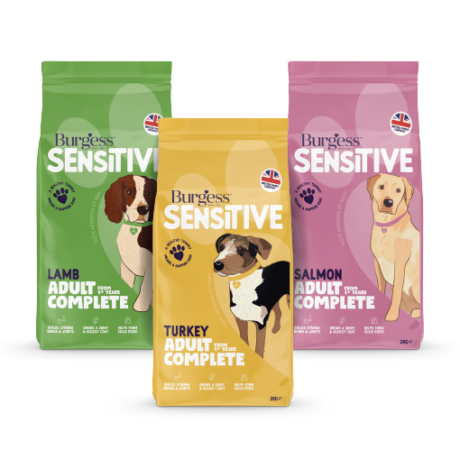
Lamb? Turkey? Salmon? Your dog can try them all with our Burgess Sensitive Bundle >>
If you found this interesting, you may also like:
OPEN UP YOUR EYES TO YOUR DOG’S WORLD Understanding how your four-pawed pal interprets the world through their five senses can help you provide them with the best, most enriching life.
GIVE THE DOG A CHOICE As humans, our lives consist of choices. Yet, how much of a say do our dogs have about what they do, how they do it and when? Could letting them make their own decisions really make them happier?
BECOME A DOG COMMUNICATION EXPERT It’s not difficult to tell if your dog is really happy – that waggy tail and soppy smile is such a giveaway. However, there are lots of other, more subtle signs that reveal how your four-legged pal is feeling and what they’re trying to tell you.
PET PERSONALITIES – NATURE V NURTURE When it comes to each of our pets’ personalities and the way they behave with us and other animals they interact with, is this down to nature or nurture? According to animal experts, it’s complicated!
DOG TRAINING MYTHS BUSTED All sorts of people have opinions on the best ways to train a canine – but it’s essential to only take advice from expert, trusted sources.
FUN AND GAMES IN THE DOG PARK Going to the park is the highlight of many dogs’ day as it’s a chance for canine chums to enjoy a meet and greet and dash about with their best buddies. However, not every dog-to-dog interaction goes to plan and there are definite rules of the game to be followed.
WHEN DOG MEETS DOG – WHAT’S THE WORST THAT CAN HAPPEN? When it comes to a dogs’ meet and greet there are essential rules of canine engagement and dog communication that we humans need to understand to ensure things go smoothly. This is even more important if you have a reactive dog who sees other canines as a potential threat.
BACK TO DOG SCHOOL Training is an essential part of dog ownership and, whatever age your dog is, training should be part of their regular routine.
BEST BEHAVIOUR – HOW TO TRAIN YOUR DOG TO MAKE A POLITE HELLO Most dogs get really, really excited when they meet a friendly human on their walk – Jumping up, twirling and barking. While this can be cute when they’re a small puppy, it’s not so good when they grow into their paws and jump all over the person in question!
BACK SOON All dogs benefit from learning to manage being on their own for short periods. Otherwise, if you have to leave your dog and they aren’t used to it, it will be very stressful for them.
HOW TO TEACH YOUR DOG THAT IT’S CHILL OUT TIME Are you struggling to find your dog’s off button? While some canines are natural couch potatoes, others need a little encouragement to learn to settle down and be calm. Our expert step-by-step training plan can help.
FAD DIETS – SHOULD DOG OWNERS BE WORRIED? Raw, grain free or home-cooked? The range of options for feeding your dog seems to be ever expanding. But what do animal nutrition experts have to say about it?
ARE YOU READY FOR A DOG? Taking on a dog is a huge decision. It requires money, time and commitment. Here are some of the things you’ll need to consider...
PET INSURANCE EXPLAINED Can you get pet insurance for pre-existing conditions? Can you get pet insurance for older pets? Can you get multi-pet cover? We answer some of the most commonly asked questions to help you make an informed decision about pet insurance.

Blog categories

Dogs

Cats

Rabbits

Guinea pigs