

How much exercise do Jack Russell Terriers need? Do they enjoy disappearing down holes? Do they love the sound of their own bark? How well do Jack Russell Terriers handle being left home alone? Are Jack Russell Terriers a good choice for families with children? We have all the answers to your Jack Russell Terrier questions!
1st January 2026
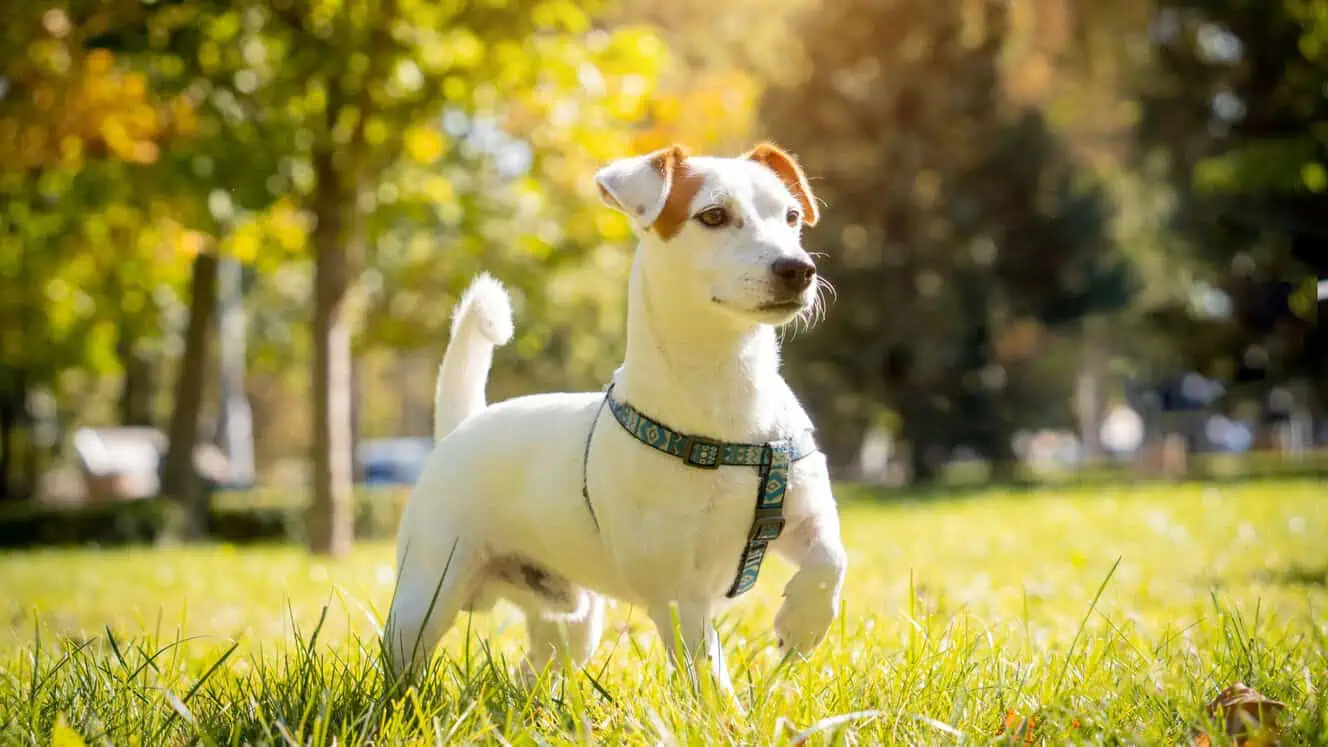
With their distinctive white, black and tan colouring, always-at-the-ready expression, inquisitive nature and love for outdoor adventures, Jack Russell Terriers make for lively, loyal, high-spirited companions.
Described by The Kennel Club as bold, fearless, friendly and confident, the JRT is a dog that will keep you on your toes!
“Jack Russells are live wires, they’re super intelligent and love to play and hunt,” says Sue Ketland, Dog Behaviour and Training Specialist at rehoming charity Woodgreen. “They need lightning-fast reactions to fulfil their natural chasing role, which can be frustrating for owners as their dog rushes past them with a stolen shoe!”
From Devon to Down Under and back again
These smart, compact terriers have an interesting back story, which began when Reverend John Russell (1795–1883) – who was also known as Jack – a keen fox hunter from Devon, discovered ‘Trump’, a small white dog with head and tail markings, hitching a ride on the back of a milk wagon. After Russell struck a deal to buy her, Trump became the mother of the Jack Russell Terrier breed.
The Jack Russell Terrier Club explains: “Trump was mostly white, which Russell preferred, as spotting a white dog whilst hunting is much easier than spotting a dog which has only brown/black markings.”
The Kennel Club adds: “The Reverend John Russell, from which the dog takes its name, developed a strain of Fox Terriers in the 1800s which were used to follow the fox hounds and bolt foxes from their dens. Many ex-pats took Jack Russell Terrier-type dogs to Australia with them. These dogs were the foundation of the dogs that were eventually registered.”
Following Rev Russell’s death, enthusiasts continued to develop the working terriers he championed. Eventually, two distinct breeds emerged, the Parson Russell Terrier (the longer-legged type) and the shorter-legged Jack Russell Terrier. In 1972, the Jack Russell Terrier Club of Australia was founded, and, more than 40 years later, the Jack Russell Terrier was given official recognition in the UK by The Kennel Club in 2016.
What’s the best food for a Jack Russell Terrier puppy? >>
Active JRTs have an insatiable appetite for adventure
“Lively and tenacious, it's easy to see why the Jack Russell Terrier was popular as a hunting companion in the Victorian era,” notes insurer Petplan. “Despite its diminutive size, this breed is fearless and curious, with an insatiable appetite for adventure. Jack Russell Terriers make loyal pets, but their endless energy and confidence means they can get into mischief if bored.”
“They are clever dogs who love people, making Jack Russells a popular choice for first-time owners,” adds veterinary charity PDSA. “You’re likely to find that your Jack Russell prefers to be with you all the time, whatever you’re up to. Jack Russells are really active dogs, and despite their smaller size, they have bundles of energy.”
What’s the best food for Jack Russell Terriers? >>
Understanding what makes your Jack Russell Terrier tick will help you give them everything they need to love life! Read on to discover more about:
- JACK RUSSELL TERRIER PERSONALITY PROFILE
- IS MY HOME SUITABLE FOR A JACK RUSSELL TERRIER?
- HOW MUCH EXERCISE DOES A JACK RUSSELL TERRIER NEED?
- WHAT HEALTH ISSUES CAN JACK RUSSELL TERRIERS SUFFER FROM?
- WHAT SHOULD I FEED A JACK RUSSELL TERRIER?
- HOW MUCH GROOMING DOES A JACK RUSSELL TERRIER NEED?
- WHAT’S THE BEST WAY TO TRAIN A JACK RUSSELL TERRIER?
- GETTING A JACK RUSSELL TERRIER
JACK RUSSELL TERRIER PERSONALITY PROFILE
Describing JRTs as confident, fearless, wilful little souls, Your Dog says: “Jack Russells are lively, busy little dogs and need to be kept occupied, both physically and mentally.”
“Keeping your Jack Russell occupied and active is key to having a happy dog. Jack Russells are good dogs for people who are happy to devote at least an hour a day to substantial, play-filled walks,” adds Petplan.
“Jack Russells have moments where they can curl up on your lap and enjoy a bit of a fuss. Although, many others are more independent and prefer to be in your company than be touched,” notes Sue Ketland. “They really like the sound of their own voice too and make particularly good watchdogs.”
Crate training a Jack Russell Terrier puppy – make it their special place >>
Feisty, fearless and endlessly curious, training and socialisation are the watchwords when it comes to helping your high energy JRT navigate the world around them.
“Training needs to start early, otherwise the young Jack will get ideas above his station,” says Your Dog. “They require early socialisation with other dogs and people to become well-rounded members of the family, to whom they are very devoted and loving.”
“It’s important to socialise your Jack Russell Terrier from a young age with lots of different people, dogs and experiences,” adds PDSA. “They can be confident little dogs, and this will help them to grow into a happy adult.”
Meeting your Jack Russell Terrier’s needs helps avoid behaviour issues
“There is never a dull moment when you share your life with a Jack Russell Terrier,” says Sue Ketland. “Physical exercise is not enough to keep this breed going, they have busy brains that need exercise too. Lots of interactive play and feeding through puzzle feeders and Kongs will go a long way to keep your Jack Russell out of trouble. They need an owner with plenty of time in the day to dedicate to their needs.”
There’s no doubt that JRTs require plenty of things to do to keep them busy, or they’ll find their own ways to amuse themselves!
“A bored, inactive Jack Russell Terrier is an irritable one and they’ll tell you about it by barking, digging at your lawn and destroying furniture,” warns Sue Ketland. “Never underestimate the hunting desires of a Jack Russell. If they’re loose in rural areas or woods, they will catch rabbits and sometimes chase them down into their burrows. They have been known to get stuck in these tricky situations and need to be dug out. Bear all this in mind if you’re considering a Jack Russell as your breed of choice.”
For those devoted to these small characterful dogs, there’s no other breed quite like them. Owner Hazel Isgate of Hartlepool enthuses: “I absolutely recommend the breed because to me they’re the most rewarding and loving dogs. To have a Jack Russell is to have a best friend.”
Whatever the breed, every dog is unique
While each breed has certain identifiable traits, it’s important to remember that every dog is unique.
“There’s lots of doggy behaviour that comes naturally to all breeds of dog, including Jack Russells, from digging and chasing to searching and retrieving,” says Dogs Trust. “Every dog is different with their own personality and needs and prior experiences. As dogs grow from puppies, they learn all about the world. They develop their own likes and dislikes and learn to respond to situations in different ways. For example, some dogs might like meeting other dogs, and some may not. Some might like new experiences and others may need to go slowly.”
Want just YOUR dog to come when you call them? Choose their name wisely! >>
IS MY HOME SUITABLE FOR A JACK RUSSELL TERRIER?
To create a perfect canine/human partnership, it’s vital to think about what kind of energy and temperament you’d like your four-pawed friend to have so you’re a good match for each other – and that you can provide a suitable environment.
“Jack Russells don’t need lots of space in a home, but access to a garden is essential, somewhere they can run around and burn off any excess energy,” advises Sue Ketland. “If you’re an active owner who enjoys getting out and about, you’ll get lots of fresh air with a Jack Russell, they need more exercise than you would think for such a small dog.”
Jack Russells are also very vocal dogs who like to comment on everything. “They’ll bark when excited, to alert you to someone at the door, when someone approaches the home, when something captures their attention, or when they want to tell you something. For this reason, Jack Russells are not best suited to living in a flat,” adds Sue Ketland.
“The intensity with which they tackle life is one of their most endearing traits. Highly intelligent, they thrive most in a family with an active lifestyle, where they can explore the great outdoors,” says Your Dog. “As they are full of energy and love to chase you will need to ensure you have a secure garden, to ensure they don’t wander off,” adds Petplan.
Jack Russell Terriers and older children can be great friends
While not best suited to very young children, JRTs and older children can be great friends.
“Jack Russells can make good family pets if they have been trained and socialised properly from a young age,” advises PDSA. “They can be less tolerant with younger or boisterous children and have been known to show their frustration by nipping. They’re better suited to families with slightly older children who understand how to behave around dogs.”
“An active family with older children would best suit a Jack Russell,” adds Sue Ketland. “They’re not the most patient dogs and don't tolerate being poked and pulled about, so young children are best avoided. They are a very playful breed and will provide hours of entertainment for an interactive family. They do have a very loving and affectionate side too.”
The family dog – making it work for pets and children >>
Jack Russell Terriers and other pets
“They should get on well with other dogs and pets as long as they are well socialised. Be careful around small animals,” advises Your Dog. “The breed can usually be socialised to get along with your cat,” adds Petplan.
“Jack Russells can live with other animals, but you would need to start introductions when they’re a puppy to ensure a successful bond,” advises Sue Ketland. “Bringing a Jack Russell home to existing pets may work well, but adding other pets, especially the small, furry kind to a home where a Jack Russell already lives is asking for trouble.”
“Jack Russells have a very high prey drive and love to chase. They are little hunters at heart, and this really shows! We wouldn’t recommend having smaller pets if you own a Jack Russell,” adds PDSA.
Can cats and dogs be friends? >>
Jack Russell Terriers don’t like to be left home alone
If you’re out for chunks of the day, your Jack Russell Terrier may find it hard to cope.
“Despite being part of the independent Terrier breed group, Jack Russells are more prone to separation anxiety than other dogs in this group and will be happiest in households where someone will be around for most of the day,” says Petplan.
“They form really strong bonds with their owners so ideally need someone around the home all day to keep them company,” adds PDSA. “Because Jack Russells are so people orientated, they can suffer with separation anxiety if left alone. You’ll need to train your dog that it’s OK to be alone and this should never be for more than four hours.”
Which breed of dog is the right fit for you and the place that you live? >>
HOW MUCH EXERCISE DOES A JACK RUSSELL TERRIER NEED?
If you’re an active type who likes hearty outdoor hikes, whatever the weather, then a JRT could be your perfect canine companion.
“Jack Russell Terriers are typically high-energy dogs who need lots of exercise to keep them physically and mentally healthy,” says Dogs Trust. “They'll need daily walks, plus plenty of time and opportunity to explore, burn energy, and play. If you love spending active time outdoors, this breed could be a great match for you.”
“Originally bred as a hunting dog, a Jack Russell's character is defined by stamina and determination. Despite their small size, Jack Russells are energetic dogs who need at least an hour’s exercise every day,” adds Petplan. “You should also allow your Jack Russell to run around in a secure outside space between walks to stretch their legs and satisfy their inquisitive spirit.”
“Jack Russells enjoy being on the go all the time. They can be very high energy so it’s important to make sure they’re getting enough exercise,” says PDSA. “Your Jack Russell Terrier will need a minimum of an hour exercise every day. This should be split into a couple of walks (with lots of time for sniffing and exploring!) and time to run off-lead in a secure area. On top of this, you should include plenty of playtime and training in your Jack Russell's daily schedule to help keep their brains active.”
As they love to chase and run, JRTs may enjoy organised doggy sporting activities. “They often do really well at canine sports like flyball and agility so take a look in your local area for clubs,” adds PDSA.
Organise games that match your Jack Russell’s favourite activities
“Jack Russells love to play games that show exactly what they were bred to do,” notes Sue Ketland. “This includes seeking and finding toys, playing tuggy, shaking and pulling the stuffing out of their toys and digging holes. These lively dogs are great at destroying their toys, so make sure you have plenty at hand to replace them. Squeaky toys don’t stand a chance in the jaws of a Jack Russell Terrier, but they absolutely love them!”
Although they have a heritage of scampering through murky, damp Devon moorland, JRTs dislike getting cold and wet. “They’re not a fan of cold, wet weather and short-coated Jack Russells will benefit from an extra layer if you can get them outside when it’s chilly,” adds Sue Ketland.
How much exercise do different dog breeds need? >>
JACK RUSSELL TERRIER HEALTH
While generally a healthy breed, Jack Russell Terriers, like all dogs, can suffer from certain health issues.
“Cruciate ligament disease is something we see frequently in Jack Russell Terriers,” notes Petplan. “The cruciate ligaments are found inside the knee joint and hold it stable. Treatment usually is surgery. However, like all dogs they can also develop arthritis from this condition, and long-term treatment is often required to keep them active.”
Jack Russells can also suffer from allergies that lead to dermatitis (skin inflammation). Petplan advises: “Allergies can be caused by many different items, including things that are inhaled (such as pollen or dust mites), items that are eaten (for example, wheat), items that the dog comes into contact with (for example, washing powders), or bites from parasites such as fleas. As allergies cannot be cured, treatment may be required for life but is usually effective enough to ensure that the dog can enjoy a happy, normal life.”
Dogs Trust recommends: “Whatever the breed, all dogs need basic preventative health care like vaccinations and flea and worming treatments. You’ll also need insurance to help cover the cost of vet bills.”
WHAT SHOULD I FEED A JACK RUSSELL TERRIER?
Choosing high-quality dog food and feeding carefully measured out portions will help your JRT stay fit and healthy.
“Vets recommend feeding a high-quality, breed-appropriate food twice a day and sticking to the portion guidelines,” says Petplan. “JRTs are usually full of energy which means they don't tend to gain weight easily.”
Burgess in-house vet, Dr Suzanne Moyes MVB MRCVS, who oversees recipe development and product production, advises: “When choosing food for Jack Russell Terriers, it’s essential to bear in mind that the optimum diet for your dog is one that supplies the correct number of calories and balance of nutrients for their life stage and lifestyle. This means calculating the nutrient content and dietary components such as protein, fat, carbohydrate and vitamins and minerals required. All Burgess Dog Food is a complete food. This means, whatever variety you choose, it will contain all the nutrients your dog needs in the right balance.”
Choose a diet tailored to your dog’s life stage
Your Jack Russell Terrier will also benefit from feeding a variety of food that’s designed to meet their changing nutritional requirements throughout their life. Puppies need extra energy and other nutrients to support rapid growth. For adult dogs, providing a nutritionally balanced, complete diet will help keep them in tip top condition during the prime of their life. Many older dogs develop specific conditions, such as arthritis – some of which can be eased by feeding a diet designed just for them.
The benefits of feeding a diet specially developed for dogs with sensitivities
And, as Jack Russell Terriers can be prone to allergies, choosing a food that’s specially designed for dogs with sensitivities could be beneficial.
Dr Moyes adds: “Dogs with delicate digestion or who suffer from allergies need sensitive dog food that’s made without many ingredients known to cause upset tummies. These ingredients can include beef, eggs, dairy, wheat, maize, and soya. For many canines with digestive issues or allergies, switching to a sensitive or hypoallergenic variety, depending on what your vet recommends, can make a world of difference to them.”
Jack Russell Terrier feeding tips
- Split your Jack Russell Terrier’s daily allowance into two meals and try to feed your dog at the same time every day as canines like routine.
- Measure out precise portion sizes. Recommended feeding amounts can be found on dog food packaging, but always ask your vet if you’re not sure.
- Giving your dog a little more than they need means they could become overweight. If you don’t feed enough, your dog will not be getting all the nutrients they need and will become underweight.
- Remember to leave a gap after eating and before exercising.
- If you give your dog the occasional treat or use treats for training, remember to take this into account and reduce their daily allowance. Treats shouldn’t make up more than 10% of their daily calorie intake as this can unbalance their diet
Human food that you should never give to dogs >>
HOW MUCH GROOMING DOES A JACK RUSSELL TERRIER NEED?
Regular grooming will keep on top of shedding, but professional grooming may sometimes be required, depending on your Jack Russell Terrier’s coat type.
“Some Jacks sport harsh full coats while others have a shorter, closer coat. Rough coats will require a daily once-over to ensure there are no knots or tangles, while shorter coats need little more than a weekly brush,” advises Your Dog.
“Rough coated Terriers may need to have their coats professionally stripped in the summer to keep them neat and tidy,” adds PDSA. “As with any dog, they do shed, more so in the spring and autumn. Some owners take their Jack Russells to be professionally groomed a couple of times a year, but this is down to the owner’s choice.”
“For such a small dog, Jack Russells shed a surprising amount! Regular grooming is essential to reduce the amount of white hair stuck on your clothes and furniture,” notes Sue Ketland.
As an outdoor adventure-loving dog, your JRT may often get rather grubby. “In the main they’re easy to look after, especially the short-haired dogs, although they are moulters,” says owner Hazel Isgate. “JRTs need regular baths; these dogs love fox poo and rolling in anything smelly.”
To help your JRT feel comfortable with handling and grooming, experts recommend introducing it in a positive way, one step at a time. Dogs Trust says: “Teaching your dog to feel relaxed and confident will make grooming more enjoyable for everyone.”
Regular grooming also provides you with an opportunity to check for unusual lumps and bumps. Getting into a teeth cleaning routine is also important to help to prevent plaque and tartar from building up and keep gums healthy.
“Their teeth will need to be checked regularly and will require daily brushing to prevent gum disease, which is a common health issue in Jack Russells,” advises Petplan. “It’s a good idea to introduce this as a part of your puppy’s routine early, as it’ll help familiarise them with the process.”
WHAT’S THE BEST WAY TO TRAIN A JACK RUSSELL TERRIER?
When it comes to training any dog, it’s all about creating a positive learning experience, so they’re keen to learn and grow in confidence. And, when it comes to Jack Russell Terriers, you’ll have a lively, intelligent pupil, who’s prone to being on the stubborn side...
“Training a JRT is easy as they’re smart, but you have to show who’s boss immediately. These wilful little dogs can be a handful,” says owner Hazel Isgate.
“Jack Russells are clever dogs who respond really well to positive, reward-based training from a young age,” adds PDSA. “They tend to pick up on new commands easily and training is a really great way to keep their busy minds active. If you’re a first-time owner or need extra guidance, we’d recommend taking them to accredited training classes.”
Training will help keep your Jack Russell Terrier safe when out and about
“Good lead and recall training are essential for adventure-loving Jack Russells to keep them safe when out and about,” advises Petplan. “Jack Russells are confident and headstrong, so need a firm but fair trainer to keep them in check. Use plenty of positive reinforcement to let your pup know there’s something in it for them. Re-channel your Jack Russell’s high prey drive into a game of ‘fetch’ which will allow them to satisfy their instinctive desire to chase. With intelligence and energy to spare, Jack Russells will love learning tricks for some extra mental stimulation.”
“Jack Russells are easy to train because they really love using their smart little minds, they also like working for both food and toy rewards,” says Sue Ketland. “They were born to work, so it’s the dog owner’s responsibility to give them something to do.”
Socialisation – learning how to be around people, pets, and other dogs, calmly and politely – is also crucial for JRTs. Sue Ketland adds: “They need help to feel calm, comfortable, and confident in everyday situations like travelling, the sound of traffic, and being in busy places. This is essential to prevent tricky behavioural problems in the future, and you'll be off to a great start with your ongoing training.”
For expert advice and practical training guidance, visit Dogs Trust Dog School >>
GETTING A JACK RUSSELL TERRIER
“Do plenty of research before getting a Jack Russell. These lively and bouncy dogs can make really great family pets but will need plenty of training and guidance from their owners along the way,” advises PDSA. “You’ll need to be patient with them and curb any unwanted behaviours early on. Given the right care, they can make wonderful pets.”
If you’re planning on getting a puppy, it’s essential to search out a reputable breeder. ‘Lucy’s Law’ dictates that new puppies or kittens must be bought directly from a breeder or adopted from rescue. Third party sellers are illegal.
The comprehensive puppy checklist >>
Alternatively, there are a number of rescue organisations around the country, including Jack Russell Terrier Rescue UK, Dogs Trust, Woodgreen and Battersea, who would love to hear from you. Staff will seek to match you with the right dog for your home and lifestyle and provide you with support and useful information about the breed. Also check out Jack Russell Terrier Dogs and Puppies for Adoption, Rehoming And Rescue and Jack Russell Rescue UK on Facebook and Instagram.
By choosing a rescue Jack Russell Terrier, you’ll be giving one of these fun, loyal and loving dogs a second chance at a happy and fulfilling life.
The best breed of dog is rescue >>
NEED MORE ADVICE?
If you’re at all unsure about the best way of feeding your dog or have any concerns about specific nutritional requirements, ask your local veterinary practice for advice. You can also call our expert team, available 9am-5pm, Monday to Friday, on +44 (0)1405 862241 who’ll be happy to help. Alternatively, use our online contact form to get in touch.
CARE MORE Find lots of useful advice on caring for your dog from Burgess, the pet experts >>
Is your dog a Burgess dog? Join the Burgess Pet Club for exclusive offers, competitions and expert advice from our in-house vet, Dr Suzanne Moyes.
SOMETHING TASTY FOR EVERY DOG
Every dog deserves a first-class dinner from puppy to adult and senior. Burgess Pet Care is a British, family-owned company and all our dog foods are made at our own factory in the heart of Yorkshire, using only ingredients that meet our stringent specifications – locally sourced wherever possible to support British farmers
We’ve also developed foods to meet the specific nutritional needs of sporting and working dogs, Greyhounds and Lurchers and dogs with sensitivities.
GOOD TO KNOW
- COMPLETE NUTRITION Each of the recipes in the Burgess Dog Food range are complete, providing all the nutrients dogs require in the right proportions.
- PORTION CONTROL With dry food, it’s easy to measure out the right sized portion to help your dog maintain a healthy weight.
- HEALTHY AND SAFE The thorough cooking process ensures that any harmful bacteria, such as salmonella, and viruses are destroyed, and the dry food stays fresh inside the pack.
- TEETH FRIENDLY Dry dog food has the added benefit of exercising your dog’s chewing muscles and provides a mild cleaning effect on the teeth.
- MADE IN BRITAIN Crafted at Burgess Pet Care’s own factory in the heart of Yorkshire, Burgess Dog Food contains high-quality ingredients that meet stringent specifications, locally sourced wherever possible to support British farmers.
With a whole host of *5 STAR REVIEWS*, our customers have told us:
* “An excellent dog food, definitely a market leading brand. My dog thrives on it, no upset stomach ever.” * “Our dogs just love it, and it keeps them happy.” * “Good value, wholesome food.” * “Edward (dog) is in raptures over this, he just can't get enough of it.” * “Our Ruby loves this food. In fact, she tries to open the food bin to steal it. That’s proof enough.” * “My dogs love it, it satisfies them, so it makes them happy and contented which makes me happy as they are thriving on it.” * “A leader amongst dog foods.” *
Lamb? Turkey? Salmon? Your dog can try them all with our Burgess Sensitive Bundle >>
If you found this interesting, you may also like:
OPEN UP YOUR EYES TO YOUR DOG’S WORLD Understanding how your four-pawed pal interprets the world through their five senses can help you provide them with the best, most enriching life.
GIVE THE DOG A CHOICE As humans, our lives consist of choices. Yet, how much of a say do our dogs have about what they do, how they do it and when? Could letting them make their own decisions really make them happier?
BECOME A DOG COMMUNICATION EXPERT It’s not difficult to tell if your dog is really happy – that waggy tail and soppy smile is such a giveaway. However, there are lots of other, more subtle signs that reveal how your four-legged pal is feeling and what they’re trying to tell you.
PET PERSONALITIES – NATURE V NURTURE When it comes to each of our pets’ personalities and the way they behave with us and other animals they interact with, is this down to nature or nurture? According to animal experts, it’s complicated!
DOG TRAINING MYTHS BUSTED All sorts of people have opinions on the best ways to train a canine – but it’s essential to only take advice from expert, trusted sources.
FUN AND GAMES IN THE DOG PARK Going to the park is the highlight of many dogs’ day as it’s a chance for canine chums to enjoy a meet and greet and dash about with their best buddies. However, not every interaction goes to plan and there are definite rules of the game to be followed.
WHEN DOG MEETS DOG – WHAT’S THE WORST THAT CAN HAPPEN? There are essential rules of canine engagement and dog communication that we humans need to understand to ensure things go smoothly, particularly if you have a reactive dog who sees other canines as a potential threat.
BACK TO DOG SCHOOL Training is an essential part of dog ownership and, whatever age your dog is, training should be part of their regular routine.
BEST BEHAVIOUR – HOW TO TRAIN YOUR DOG TO MAKE A POLITE HELLO Most dogs get really, really excited when they meet a friendly human on their walk – Jumping up, twirling and barking. While this can be cute when they’re a small puppy, it’s not so good when they grow into their paws!
BACK SOON All dogs benefit from learning to manage being on their own for short periods. Otherwise, if you have to leave your dog and they aren’t used to it, it will be very stressful for them.
HOW TO TEACH YOUR DOG THAT IT’S CHILL OUT TIME Are you struggling to find your dog’s off button? While some canines are natural couch potatoes, others need a little encouragement to learn to settle down and be calm. Our expert step-by-step training plan can help.
FAD DIETS – SHOULD DOG OWNERS BE WORRIED? Raw, grain free or home-cooked? The range of options for feeding your dog seems to be ever expanding. But what do animal nutrition experts have to say about it?
FLYING PAWS AND ROUNDS OF APPLAUSE – WOULD YOUR DOG BE GOOD AT DOG AGILITY? Do you have a dog that’s simply bursting with energy? Would you like to be involved in an activity together, that involves reward-based training, competing in shows and hanging out with lots of other lovely dogs and their owners? Then dog agility could be fit the bill!
ARE YOU AND YOUR DOG GOOD SPORTS? One of the many things that dogs and humans have in common is that we both benefit from physical activity. While going for a long country walk is one way to do it, there is nothing like a fun, teamworking activity to keep your dog fit, mentally stimulated and to build that special bond between you.
ARE YOU READY FOR A DOG? Taking on a dog is a huge decision. It requires money, time and commitment. Here are some of the things you’ll need to consider...
PET INSURANCE EXPLAINED Can you get pet insurance for pre-existing conditions? Can you get pet insurance for older pets? Can you get multi-pet cover? We answer some of the most commonly asked questions to help you make an informed decision about pet insurance.
Featured products
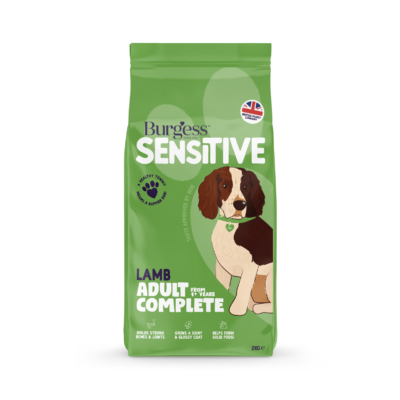
Sensitive Adult Lamb Dog Food
from Price range: £7.99 through £35.34 — or subscribe to save 15%
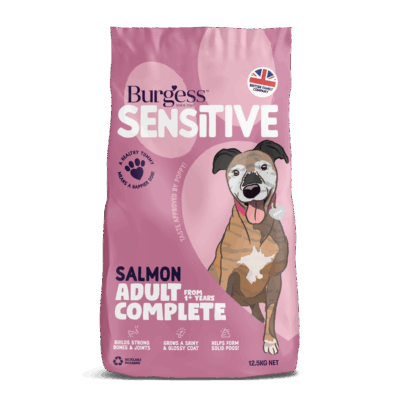
Complete Sensitive Salmon Adult Dog Food
from Price range: £7.99 through £35.34 — or subscribe to save 15%
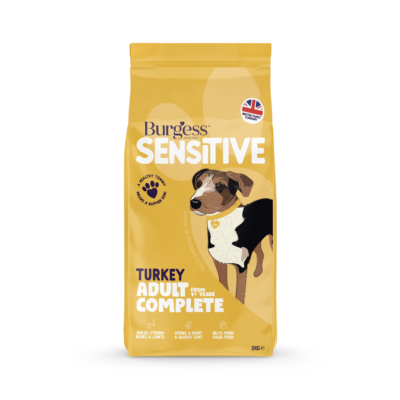
Sensitive Adult Turkey Dog Food
from Price range: £7.99 through £35.34 — or subscribe to save 15%
Blog categories

Dogs

Cats

Rabbits

Guinea pigs